How to Prioritize Work When Everything Seems Important | Life Hack

Even with all of the advances in modern technology, there are only so many hours in the day to cram in everything that we need to do. A simple “to-do” list doesn’t always cut it, and it’s easy to feel adrift in a sea of tasks without an oar. The key to managing all of the work responsibilities on your plate is prioritization.

In theory, prioritization is pretty simple: write down what you need to do and then start doing it.

Here’s the thing about prioritization though — it’s always changing. Every project manager knows that things come up, fall through, and get moved around. How we adapt to those changes can determine the success or failure of our effectiveness in completing that ever-growing to-do list.

In this article, we’ll look at various ways to help you become a master of time management at work and keep all of those proverbial spinning plates from crashing to the ground.


Read More

Busting the Myths That Keep Your Business From Reaching Millennial Customers | AllBusiness.com

Even though the oldest millennials will turn 38 in 2020 (based on U.S. Census Bureau stats) marketers are still trying to figure out the generation. Assumptions about their “teen behavior” have seemed to persist (how long was this generation labeled “entitled”?) far past the natural expiration date. Does your business understand how to connect effectively with millennial customers?

This is particularly challenging for B2B companies. Millennials have taken over from boomers as the largest generation in the workforce. That means their business decision-making and purchasing power is increasing as they rise through the corporate ranks.

Read More

How to Stop Micromanaging Your Employees | AllBusiness.com

One of the most common struggles a new leader faces is learning to delegate and let go of the “little things.” While you may feel like you need constant oversight into your team’s work, micromanaging employees damages morale and drives away your top performers. It also prevents your team from doing truly creative or innovative work.

Part of solving this problem requires establishing healthy communication routines with your team members or leads. The rest comes down to gaining—and keeping—their trust. To help you break any micromanagement tendencies, we asked members of YEC Next this question:

Read More

Business Gift Giving Etiquette and Mistakes to Avoid | Small Business Trends

For business owners, the holiday season is often a time for purchasing client, employee, and partner gifts for everyone who supports your business throughout the year. However, it’s important to give gifts in a way that won’t offend or create awkward situations among those who are important to your small business.

Before shopping for holiday gifts for clients, colleagues, or employees, consider the following business gift giving etiquette tips for all occasions.

Read More

Why Should Your Business Invest in Apprenticeships? | business.com

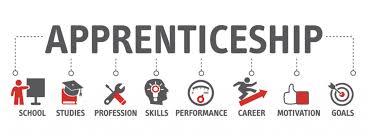
Some of the world’s most prosperous economies – including Germany, Australia and the UK – have robust apprenticeship systems. School leavers and job changers in those countries can access education and training that leads directly to the workplace, while the companies that sponsor them get top-quality workers with the precise skills they need.

In the United States, however, apprenticeships are far less common. Many businesses see them as complicated and expensive and don’t know if they really work. Others aren’t sure the benefits are worth the cost. U.S. employers are more comfortable shopping for talent than creating it. However, astute employers know it’s critical to have access to a pipeline of workers with 21st-century skills.

Read More

Seven Frugal Cookbook Recommendations for Getting Started on Inexpensive Cooking at Home | The Simple Dollar

On The Simple Dollar, I’ve often written about my love for cookbooks. My friends and family know about this and often give me cookbooks as gifts for the holidays, which means I’ve actually reached a point where my cookbooks fill up a small bookshelf and I have to be selective about what I keep and what I pass along to others.

I enjoy several kinds of cookbooks for various reasons. I like ones that have a lot of basic recipes I can trust and modify. I like ones that are reference works for ingredients and equipment, like lists of spices that go well together. I also really like ones that focus on technique. And I like ones that are focused on “framework recipes,” where you can kind of fill in the blanks with what you have on hand. The only ones I generally don’t like are ones that are just collections of complicated recipes without any sort of theme or pattern; I can do without them. A cookbook should either answer a question very quickly, show me how to do something or inspire me to try something new that builds upon what I already know — and ideally do more than one of those things.

Read More

We’re Unconsciously Hiring the Wrong Candidates | Entrepreneur

It’s easy to easily establish unconscious biases about who the “best fit” for a job might be based on our individual experiences. For example, let’s say that you attended a top university like Harvard or Yale, and you receive a slew of applications from candidates, some of whom attended universities ranked lower than the one you attended. You might unknowingly be less inclined to hire those candidates despite them having the qualifications to back up their expertise.

Read More

LLC vs. S-Corporation: What’s Better for Your Business? | Business News Daily

The business structure you choose dictates your path to commercial success, but choosing the right entity requires extensive research and personal reflection. Each structure has its own set of guidelines, benefits and drawbacks.

How do you know if you should set your business up as a limited liability company (LLC) or an S-corp? We spoke with accountants and business advisors to get their take.

Read More

How to Take Advantage of the 80 20 Rule to Succeed in Life | life Hack

The world of productivity has several hacks or tricks to help you manage your time. The amount of time management tactics to productivity strategies out there is both amazing and overwhelming.

Of course, to make matters harder for people, a lot of these methods have been tried by various people who have stood by them… To-do list systems, the Pomodoro Technique, Parkinson’s Law…

All of these strategies are great strategies in their own way, but one strategy stands above all else: The 80 20 rule. Out of the many, this particular strategy has been used the most and is regarded as the most helpful in developing time management and other concepts in life.

But what’s so special about this rule? How does it give you success and how do you use it? Let’s explore the specifics.

Read More