Lyft announces new CEO, says co-founders will step aside from management positions | CNN Business

Lyft announced on Monday that Amazon veteran David Risher will join as chief executive next month, and that co-founders Logan Green and John Zimmer will step down from their management positions at the ride-hailing company.

Green, who is currently the CEO, will be succeeded by Risher effective April 17, the company said in a statement. Zimmer, Lyft’s president, will also step down from his role as of June 30, the company said. Both Green and Zimmer will stay on at Lyft in non-executive roles as chair and vice chair of the Lyft board, respectively. No replacement for Zimmer was named.
Read More

Uber, Lyft to pay NYC drivers more by end of year | TechCrunch

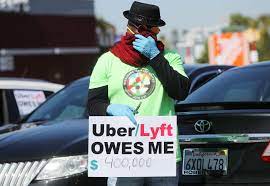
Uber and Lyft will have to increase the minimum pay rates for drivers in New York City by the end of the year, Engadget reports. The fare increase comes amid a driver shortage post-pandemic, in large part due to rising operational costs.

The city’s Taxi and Limousine Commission (TLC) voted to increase the per-minute rates of ride-hail drivers by 7.42% and per-mile rates by 23.93%. Yellow and green cab rates will also increase by 23% by the end of this year.

The commission is hoping that increasing the pay rates will attract more taxis and drivers to the roads in order to serve increasing passenger demand.

Read More

How to Become a Rideshare Driver | businessnewsdaily.com

The entry barriers are lower than with most jobs if you’re looking to drive for Uber or Lyft. Here’s how to properly hit the road with these apps.

  • Driving for Lyft and Uber doesn’t require interviews or many hard skills, so there’s a relatively low barrier to entry. You’ll still need to provide valid auto documentation and pass background checks, though.
  • Uber and Lyft have slightly different requirements for drivers and vehicles. You’ll generally need at least a year of driving experience and a car in great condition.
  • You’ll need to get your car inspected before your app of choice permits you to drive. Depending on your location, you may need to get your car inspected every 4-12 months.

This article is for people interested in driving for Uber or Lyft.

Read More

California’s Plan to Electrify Uber and Lyft Doesn’t Add Up | WIRED

GABE ETS-HOKIN HAS been picking up Bay Area Uber and Lyft passengers in electric vehicles since 2018, and he says he is never going back to petrol. “The day-to-day reality of driving an electric vehicle is like a gasoline car, except it’s quieter, more fun to drive, more comfortable, and passengers love it,” he says.

EVs, he explains, are an especially good fit for the stop-and-start of driving in dense cities because they use regenerative braking, which captures the energy used to slow to a stop and “reinvests” it in charging the battery. Instead of tracking down public chargers, he hooks his car up to the charger he’s installed at his house.

Read More

Why Uber and Lyft rallied last week | TechCrunch

Heading into earnings season, you might have expected Uber and Lyft to suffer.

After all, global travel slowed toward the end of Q1, so how could these companies have done well? Continuing the same line of thinking, given that they are both unprofitable and are valued more on growth than trailing earnings, with growth slowing would there be much to celebrate?

The answer was a resounding “yes.” Uber and Lyft both rallied toward the end of last week following their successive earnings reports.

Today, let’s go back and remind ourselves how Uber and Lyft performed against Q1 expectations and what they said about the hits they took in March (Q1) and early April (Q2). Then we’ll ask ourselves why their shares rallied despite telling investors that their businesses had begun to fall sharply in the COVID-19 world.

Read More

How Self-Driving Cars Could Shape Our Future | Entrepreneur

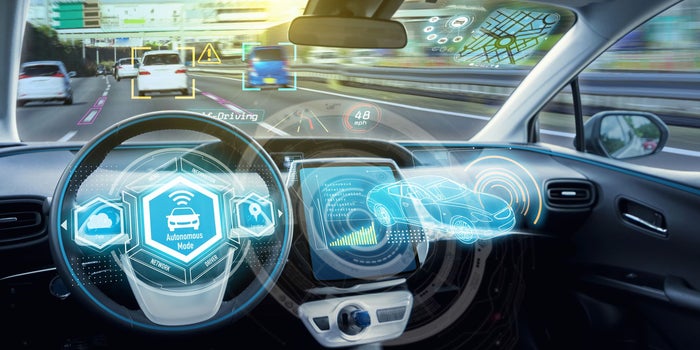
Self-driving cars are a shared ambition among Google, Tesla, Apple, Uber and Lyft, among other automotive, tech and ridesharing companies. For Uber and Lyft specifically, it’s a matter of cutting costs. However, fiscal expediency is not the main benefit of this emerging technology. Roughly 94 percent of traffic accidents are caused by human error, and to many, autonomous vehicles (AVs) seem to be our only path toward lessening related fatalities. In addition, driverless cars have other benefits, such as lower fuel consumption, lower CO2 emissions and a reduction in congestion. Here are the main ways they stand to change our lives and carve out a lane in the consumer marketplace, as well as the challenges this fledgling sector will need to overcome.

Read More

Here’s how Lyft envisions self-driving cars communicating with pedestrians | TechCrunch

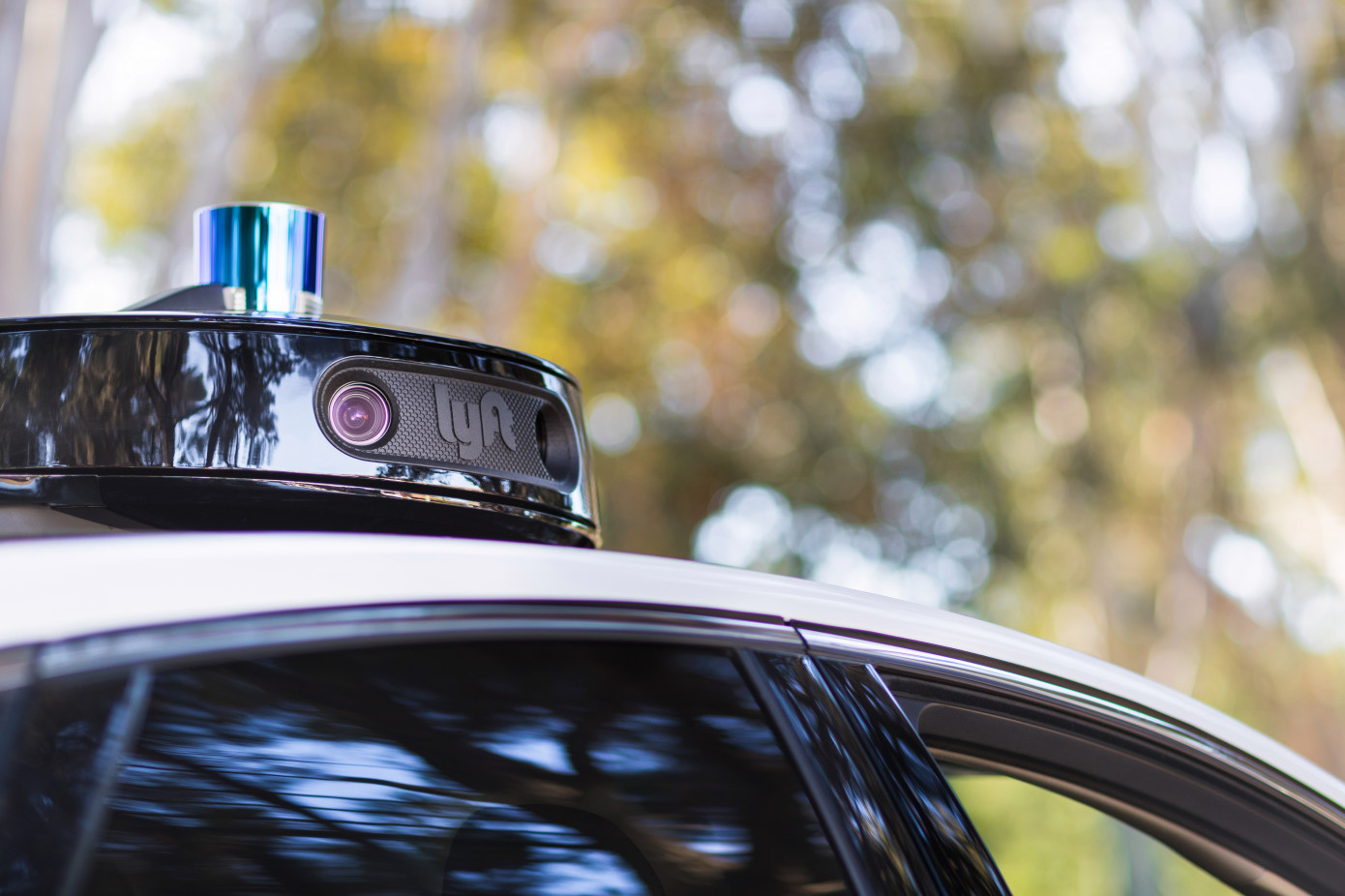
The question of how self-driving cars will interact and communicate with humans is one that has come up before, but the answer is still up in the air. Google has been looking into this at least since 2012, and earlier this year, Uber filed a patent for using flashing lights and sounds to talk to pedestrians. Now, the United States Patent Office has granted Lyft with a patent for what it describes as an autonomous vehicle notification system.

Lyft’s solution entails developing a predetermined message to display on the most visible car window. In one example, each window includes a projector, a see-through screen or another display device to communicate the message.

Read More

Lyft surges to the top 10 on Apple’s App Store following the #DeleteUber campaign | TechCrunch

Lyft’s app has surged in the App Store thanks to the “Delete Uber” campaign which took place via social media over the weekend. People were angry that Uber appeared to be taking advantage of a taxi strike at JFK in order to promote its car-hailing service. The company had tweeted that surge pricing at JFK had been switched off, shortly after the NY Taxi Workers Alliance called for a stop on pickups at the airport in response to what they said was the “inhumane, unconstitutional ban of Muslim refugees and travelers.”

The Taxi Workers Alliance had asked all drivers, Uber included, to not pick up at JFK on Saturday, January 28th from 6 PM to 7 PM as a means of protesting Trump’s immigration and refugee ban.

“We cannot be silent. We go to work to welcome people to a land that once welcomed us,” the taxi union had written on Twitter.

Read More

Inside Seattle’s Bold Plan to Let Its Uber Drivers Organize | WIRED

THE CLASH OVER classifying Uber drivers as independent contractors versus bona fide employees is the signature controversy of the on-demand economy. According to Uber, Lyft, and other on-demand driver companies, the independent contractor model offers the promise of a bright and flexible future in which each worker is a micro-entrepreneur—choosing her own hours and acting as her own boss. The problem, according to Uber detractors: these workers don’t receive benefits. And they can’t unionize.

Read More

Uber vs. Lyft: The $500 Million Battle | WIRED

The pink mustache on the front of the car is the giveaway. Lyft isn’t like a regular taxi company. In fact, Lyft will tell you it’s not a taxi company at all. Instead, the company markets itself as a way to share rides: regular people with their own cars making their empty seats available to strangers via an app in exchange for money.

All that sharing has apparently started to add up. Yesterday, Lyft announced it had made a deal for $250 million in new financing. The company plans to use the money to expand its ride-sharing service across the U.S. and around the world after growing from two cities to thirty over the past year, says CEO Logan Green. Ride-sharing rival Uber secured about the same amount last summer. Lyft tries to distinguish itself from Uber by emphasizing the “sharing” part of ride-sharing, while Uber focuses on the “ride.” Now that the two are on more equal financial footing, the contest can truly get underway to determine which vision will decide the future of transportation — and whether sharing will really have anything to do with it at all.

Read More.