Workers are Seeking or Planning to Seek New Jobs | business.com

Public health crises past and present have caused labor shortages that ripped out and reworked the fabric of society. The Great Plague liberated serfs, the Spanish Flu brought women to the workplace, and COVID-19 is empowering modern employees to redefine work-life balance and find roles that fit their lifestyles.

In upending the economy, the coronavirus also reshaped views of the workforce. Hourly earners were finally seen as essential and many office workers logged in from home, while government assistance allowed millions to reconsider their employment status. Many workers delayed their returns to the office or quit their jobs to seek more favorable terms as part of The Great Resignation.

Now low unemployment and rising wages have made good workers harder to hire. Our new research into what American workers need to stay on the job revealed a workforce in turmoil, with many employees dissatisfied and actively looking for new positions. Specifically, our study of workers and job seekers found:


Read More

8 Tips to Ensure That Your Startup Doesn’t Fail | The Startup Magazine

The life of an entrepreneur can be exciting and filled with ups and downs. While certain aspects of setting up a startup can be exhilarating, especially in the early stages of the business, there are also plenty of bumps along the road, big and small.

If you are planning to start your own business, then there is a good chance that you are prone to failure. So, before you start your startup and invest your time and money in it, you have to ensure your startup does not fail. Here are eight startup tips to keep your startup alive and kicking.

Build a healthy support network

Any entrepreneur who has faced failure or encountered challenges along the way knows how important it is to have a good support network. A good support network can give entrepreneurs the encouragement they need to continue with their business. It can also help them bounce back after encountering failure and other challenges along the way because they know that they are not alone in this journey.

Read More

Instagram warns users who share Russian state media, hides following lists in Russia and Ukraine | TechCrunch

Instagram announced Tuesday that it would implement steps to dampen Russian government propaganda and protect the privacy of users across Ukraine and Russia.

The company will begin downranking posts from Russian state-affiliated media, placing any stories from those outlets below other content from other sources. Users who go to share stories originating with any of these accounts will now see a pop-up message cautioning them against spreading “Russia state-controlled media.”

“Instagram believes the account that created this post may be partially or wholly under the editorial control of the Russian government,” the message reads.

Read More

Google Pixel users can now use live captions during calls | Mashable

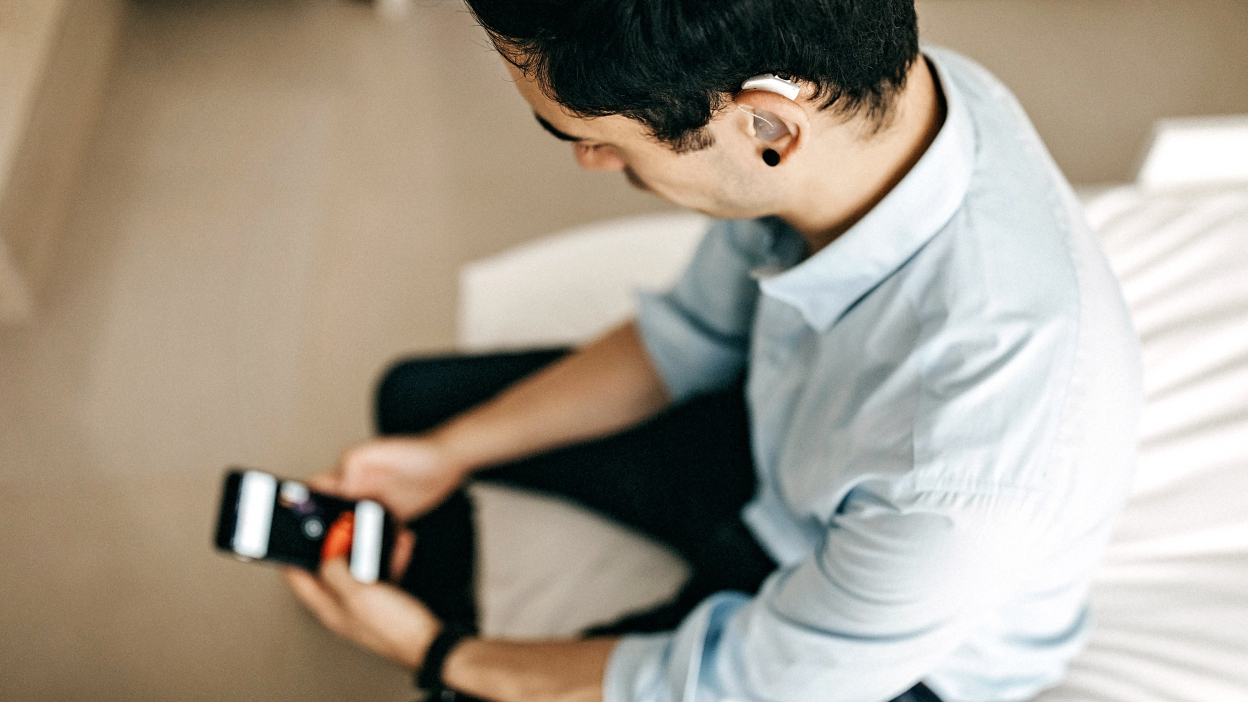
Google announced its latest accessibility update Monday — real-time phone call captions for Google Pixel users who cannot or prefer not to speak on the phone.

The Live Caption feature for phones will let users initiate two-way text-to-speech tools within a call, providing live captions of what the other person says in real time and letting users type a response that’s read out loud by Google’s text-to-speech voice during the call. Once initiated, the phone call converts into an easily navigable text chat exchange on the user’s side. It also alerts the caller on the other line that the person is using these services, making it easier for everyone involved.

Read More

Who Invented the Bicycle? | Live Science

You might think that an invention as simple as the bicycle would have an uncomplicated past. But as it turns out, this highly popular invention has a history fraught with controversy and misinformation. While stories about who invented the bicycle often contradict one another, there’s one thing that’s certain: the very first bicycles were nothing like the ones you see cruising down the street today.

The first known iterations of a wheeled, human-powered vehicle were created long before the bicycle became a practical form of transportation. In 1418, an Italian engineer, Giovanni Fontana (or de la Fontana), constructed a human-powered device consisting of four wheels and a loop of rope connected by gears, according to the International Bicycle Fund (IBF).

Read More

Bang & Olufsen Outdoor Speakers | Cool Business Ideas

Denmark’s luxury hi-fi brand Bang & Olufsen has unveiled a new outdoorsy member of its portable speaker range called the Beosound Explore, which rocks an eye-catching aluminum shell for durability and IP67 waterproofing for all-weather adventuring accompanied by B&O’s signature sound.

“We created Beosound Explore to be our toughest speaker that can withstand the outdoor elements,” said the company’s Christoffer Poulsen. “The speaker is dust- and water-proof, embodied in a scratch-resistant type 2 anodized aluminum surface. The exceptional sound quality for its size makes Beosound Explore the perfect companion for any adventure.”

Read More

Vaccinated Americans Will Reportedly Be Allowed Back In Europe This Summer | Forbes

American holidaymakers who have received a coronavirus vaccine will be permitted to enter the European Union in time for summer vacation thanks to the success of the U.S. vaccine rollout, European Commission President Ursula von der Leyen told the New York Times Sunday.

The timing of the policy change is still unclear, and will depend on the spread of the virus in both the U.S. and Europe over the next few months, Von der Leyen said told the newspaper.

Read More

Did Marie Antoinette really say ‘Let them eat cake’? | Live Science

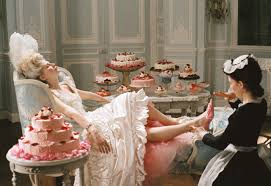
Did Marie Antoinette really utter the infamous words, “Let them eat cake”?

The quick answer to this question is a simple “no.” Marie Antoinette, the last pre-revolutionary queen of France, did not say “Let them eat cake” when confronted with news that Parisian peasants were so desperately poor they couldn’t afford bread. The better question, perhaps, is: Why do we think she said it?

For background, the quote has been slightly exaggerated in its translation from French to English. Originally, Marie Antoinette was alleged to have said, “Qu’ils mangent de la brioche,” or “Let them eat brioche.” While this sweetened bread is more expensive than an average baguette, it isn’t exactly the icing-laden, multi-tiered gateaux you might have imagined the queen had in mind. That said, this hyperbolic translation doesn’t change the point, at least from a propagandist standpoint; it still suggests that the French queen was arrogant and out-of-touch with the working class. With callous aristocrats like this in charge, things will never improve for the average French citizen. Vive la révolution!

Read More