Rethinking The On-Demand Workforce | Getentrepreneurial.com

In this era of chronic skills shortages, rapid automation, and digital transformation, companies are confronting a growing talent problem, one that has the potential to become a strategic bottleneck. How can they find people with the right skills to do the right work at just the right time? The half-life of skills is shrinking fast, and many jobs now come and go in a matter of years. Not only that, but major demographic changes are under way: Boomers are aging out of the workforce, and Millennials and Gen Z are taking over, bringing with them very different priorities about who should do what work—and where, when, and how it should get done.

To help companies address these challenges, a new generation of talent platforms—such as Catalant, InnoCentive, Kaggle, Toptal, and Upwork—has emerged. In contrast to Uber, Amazon Mechanical Turk, and TaskRabbit, these platforms offer on-demand access to highly skilledworkers, and our research shows that their number has risen substantially since 2009, from roughly 80 to more than 330. Much of that growth took place during the past five years alone. Today almost all Fortune 500 companies use one or more of them.
Read More

Uber has its highest close since IPO | TechCrunch

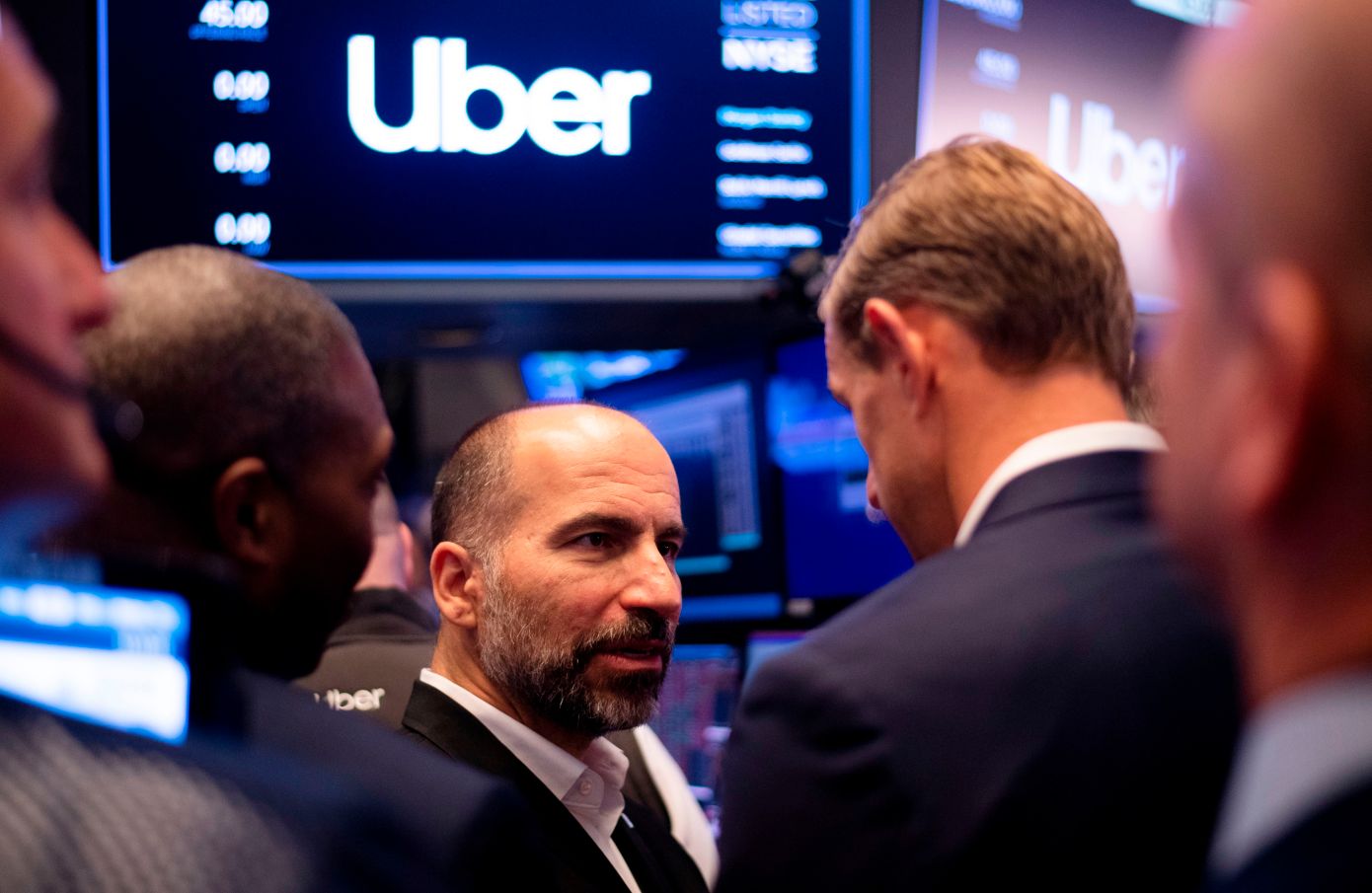
Uber shares surged 7.38% to close at $48.18 following news that a vaccine candidate is 90% effective at preventing COVID-19, and could start coming to market in a matter of months.

The announcement by drugmakers Pfizer and BioNTech sparked widespread optimism and helped boost shares across industries that have been weakened by the COVID-19 pandemic, including services like ride-hailing.

Uber’s share pop is notable beyond this one-day vaccine-news boost. This is the highest close for Uber since its public market debut in May 2019. This is also the first time since June 2019 that shares closed above its $45 IPO price

Read More

Ola fails to get ride-hailing license renewed in London, says it will appeal and continues to operate | TechCrunch

Just six days after Uber won its appeal against London transportation regulators to continue operating in London for another 18 months, one of its bigger rivals has found itself in the hot seat. Ola, the India-based ride-hailing startup, is not getting its Transport for London ride-hailing license renewed, after failing to meet some of TfL’s public safety requirements specifically around licensing for drivers and vehicles.

Ola told TechCrunch it plans to appeal the decision, and as was the case with Uber, under TfL’s rules, a company is allowed to continue operating while appealing a decision.

Read More

Why Uber and Lyft rallied last week | TechCrunch

Heading into earnings season, you might have expected Uber and Lyft to suffer.

After all, global travel slowed toward the end of Q1, so how could these companies have done well? Continuing the same line of thinking, given that they are both unprofitable and are valued more on growth than trailing earnings, with growth slowing would there be much to celebrate?

The answer was a resounding “yes.” Uber and Lyft both rallied toward the end of last week following their successive earnings reports.

Today, let’s go back and remind ourselves how Uber and Lyft performed against Q1 expectations and what they said about the hits they took in March (Q1) and early April (Q2). Then we’ll ask ourselves why their shares rallied despite telling investors that their businesses had begun to fall sharply in the COVID-19 world.

Read More

Uber sees path to profit despite $1.1bn loss | BBC News

Uber’s business continues to grow, but so do its losses.

The firm lost $1.1bn (£851m) in the last three months of 2019, even as revenue jumped 37% to $4bn and the number of trips made on its platform rose by 28%.

Spending to expand its Uber Eats food delivery business hurt the firm’s bottom line.

Uber boss Dara Khosrowshahi said he was “gratified” with the progress the firm is making toward profitability.

Adjusted for items such as taxes, the core “ride” part of the business turned a profit in the last three months of last year.

Read More

How Self-Driving Cars Could Shape Our Future | Entrepreneur

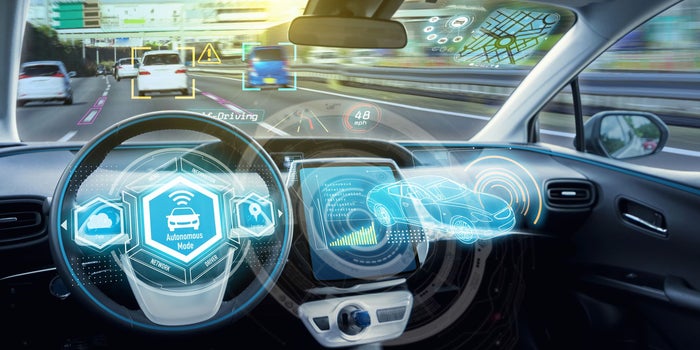
Self-driving cars are a shared ambition among Google, Tesla, Apple, Uber and Lyft, among other automotive, tech and ridesharing companies. For Uber and Lyft specifically, it’s a matter of cutting costs. However, fiscal expediency is not the main benefit of this emerging technology. Roughly 94 percent of traffic accidents are caused by human error, and to many, autonomous vehicles (AVs) seem to be our only path toward lessening related fatalities. In addition, driverless cars have other benefits, such as lower fuel consumption, lower CO2 emissions and a reduction in congestion. Here are the main ways they stand to change our lives and carve out a lane in the consumer marketplace, as well as the challenges this fledgling sector will need to overcome.

Read More

Here’s how Lyft envisions self-driving cars communicating with pedestrians | TechCrunch

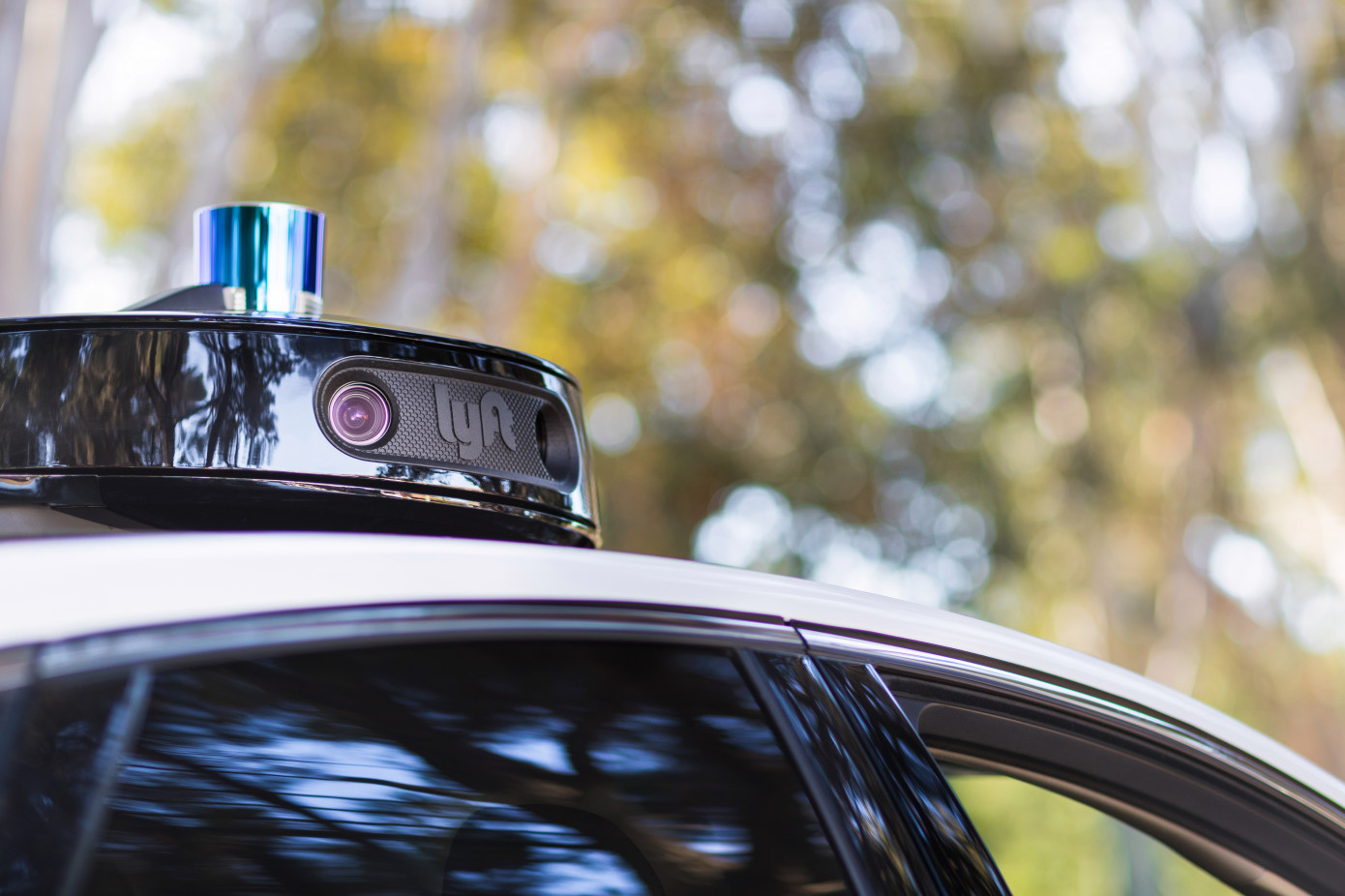
The question of how self-driving cars will interact and communicate with humans is one that has come up before, but the answer is still up in the air. Google has been looking into this at least since 2012, and earlier this year, Uber filed a patent for using flashing lights and sounds to talk to pedestrians. Now, the United States Patent Office has granted Lyft with a patent for what it describes as an autonomous vehicle notification system.

Lyft’s solution entails developing a predetermined message to display on the most visible car window. In one example, each window includes a projector, a see-through screen or another display device to communicate the message.

Read More

Uber ‘to focus on bikes over cars’ | BBC News

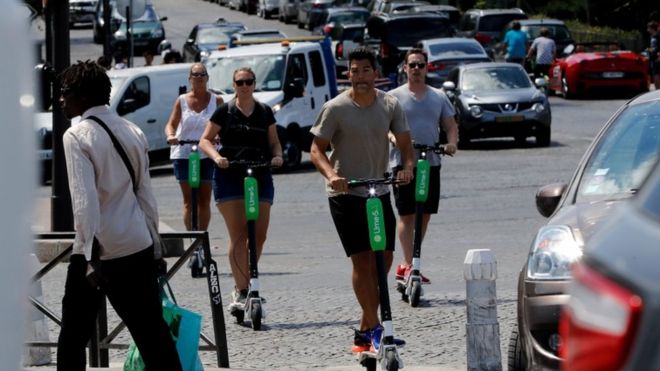
Uber says it plans to focus more on its electric scooter and bike business, and less on cars, despite the fact it could hurt profits.

Boss Dara Khosrowshahi said that individual modes of transport were better suited to inner city travel.

He also forecast users would make more frequent shorter journeys in future.

“During rush hour, it is very inefficient for a one-tonne hulk of metal to take one person 10 blocks,” he told the Financial Times.

Read More

Uber’s Travis Kalanick Said To Resign As CEO Amid Investor Backlash | Forbes

Uber CEO and co-founder Travis Kalanick, who took a leave of absence from the company just last week after months of turmoil, has now reportedly resigned in the face of mounting investor anger.

The New York Times broke the news late Tuesday, reporting that five major investors in the ridehailing giant demanded Kalanick resign immediately as chief executive officer. The group included Benchmark, a venture capital firm that’s represented on Uber’s board by Bill Gurley, the Times said. Two people with knowledge of the matter, that the newspaper didn’t identify, confirmed the ultimatum given to Kalanick.

That demand was delivered to Kalanick in a letter titled “Moving Uber Forward,” a copy of which the Times obtained. Spokespeople for Uber didn’t immediately respond to a Forbes request to confirm his departure.

Read More

How Uber Plans to Make Flying Taxis as Cheap as Ridesharing | Inc.com

Reeling from weeks of multiple public relations crises, Uber on Tuesday successfully changed the topic when it revealed its ambitions to use electrically-propelled flying vehicles to transport riders to their neighboring cities quickly and cheaply as soon as 2020.

Through this effort, which is called the Uber Elevate Network, the company envisions scenarios wherein commuters could fly from San Francisco to San Jose in just 15 minutes at the same kind of pricing they pay now for UberX rides of similar duration. Ultimately, the company hopes to reduce the pricing further by using autonomous flying vehicles.

Read More