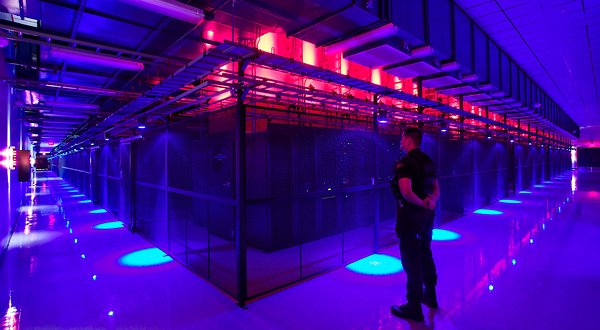
 Nationwide, data centers used about 76 billion kilowatt-hours in 2010, or roughly 2 percent of all electricity used in the country that year
Tag: technology
The Next Internet? Inside PARC’s Vision of Content Centric Networking | Xconomy
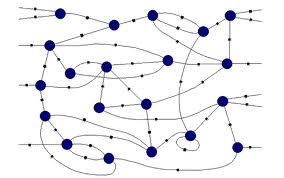 The fundamental idea behind Content Centric Networking is that to retrieve a piece of data, you should only have to care about what you want, not where it’s stored. Rather than transmitting a request for a specific file on a specific server, a CCN-based browser or device would simply broadcast its interest in that file, and the nearest machine with an authentic copy would respond.
Distracted Walking Injuries Quadruple — Mobile Devices to Blame? | TechCrunch

The number of citizens wandering into ditches, on-coming cars, and each other while staring at electronics has “quadrupled”, according to the Associated Press
Shorter Flights at Lower Heights: The Right Way To Angel Invest | OnStartups.com

A more effective model for Angel investing is long overdue. If Angels want to win — they want to lower their risk, create better returns, and help entrepreneurs more they’ll do the following: fly lower heights (avoid trying to fund the next 5 Facebooks) and take shorter flights (avoid riding each investment out all the way to the end).
10 Things I Learned from ‘We Are Anonymous’ | Peter Mehit
I read Parmy Olsen’s ‘We Are Anonymous’ over the weekend. It is the story of the infamous hacker collective that brought down the Church of Scientology, Pay Pal, Master Card, Visa, Sony, the FBI and CIA among their numerous conquests. It’s a fascinating read about a group based on a contradiction: A few very talented, capable, creative people performed truly heinous acts because they thought their lives were pointless. This nihilistic perspective drove them until they were caught.
 The participants were young. The oldest was 28, the youngest 16. Uniformly, they were the socially awkward. They were bullied and marginalized for most of their lives. Most left the education system in middle school because they were bored or mistreated. All of them lived with parents or relatives, reeking havoc on some of the largest organizations in the world from their bedrooms.
Anonymous was more of accident than a movement. The book details how the hacker collective transitioned from a chaotic, leaderless group looking for lulz (fun at other people’s expense) to very small team that stole the private information of millions of people only to give it away to secure fame and respect from the hacking community. Without recounting the book, because it’s worth reading to understand hacker culture and the underworld of the internet, I was struck by several points:
Continue reading “10 Things I Learned from ‘We Are Anonymous’ | Peter Mehit”
Hacked companies fight back with controversial steps | Reuters
 Some experts also say executives should identify their most prized intellectual property and keep it off of networked computers and consider evasive action – such as having 100 versions of a critical digitized blueprint and only one that is genuine, with the right one never identified in emails.
“There is a reason that people fly halfway around the world to have a one-hour meeting,” Joffe said of intelligence agencies.
Bianca Bosker: Is Facebook About to Crash Its Own Party?

Having attracted 900 million users to the biggest party in history, Facebook now has to sell them stuff — without being a buzz kill.
Minute by minute, Nasdaq chaos engulfed Facebook IPO | Reuters
 That move to a secondary matching engine used the order book as it appeared at 11:11 a.m. – but this meant new orders and changes in orders that came in later did not show up in the opening price.
Do you bank smart? | USFST.com

With financial institutions throughout the country striving to cater for the broadest base of consumers possible, mobile banking is an increasingly competitive industry. But how can FIs grow their mobile banking operations in a way that best suits them and their customers?
The Download.com Debacle | Electronic Frontier Foundation
 CNET’s Download.com site has been embedding adware into the install process for all kinds of software, including open source software like NMAP. For the unwary, some of the ads could have been read to suggest accepting the advertised service (e.g., the Babylon translation tool bar) was part of the installation process. Users who weren’t paying attention may also have clicked “accept” simply by accident. In either event, after their next restart, they would have been surprised to find their settings had been changed, new tool bars installed, etc.
 Dispatches From The Front