How to Create an Invoice | businessnewsdaily.com

If you’re familiar with the basics of small business accounting, then you know that signing a new client doesn’t mean you’ll get their cash right away. If anything, you might have to wait several weeks or months before the money in your company’s accounts receivable hits your business’s cash account. And if you don’t send invoices for your work, you might never get that money.
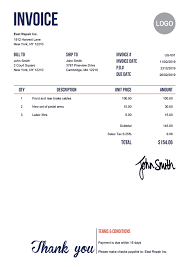
Neglecting to send invoices can delay your clients’ payments, as often, clients need to receive invoices to trigger their payment processes. Since your clients likely record invoices in accounts payable upon receipt and pay according to their in-house pay schedule, your clients may miss or ignore payments without invoices to trigger their pay processes. Fortunately, sending invoices is easy. Below, we’ll walk you through how to create an invoice.

Read More

Why Xero is the Accounting Software of the Future | Allbusiness

A few years ago, we accepted that there were limitations to accessing the Web. However, this mindset has changed in a few short years thanks to the emergence of cloud computing and mobile technology. New businesses are now capitalizing on this recent technology to give us greater access to our assets stored online, with no strings attached.

Small business accounting has undergone a sea of change as a new breed of Web-based financial management tools has become available. These software providers have removed the constrictions of desktop software, allowing many accountants to work closer and more efficiently with their small business clients through the Web.

At the moment, the market is crowded with cloud accounting providers. Intuit is still the incumbent, but there are a number of alternatives to its flagship QuickBooks product.

I believe Xero will emerge from the pack and fortify itself as the must-have cloud accounting solution for small businesses in the future. Here’s what sets it apart from the other options and why it’s here to stay.

Read More.

How Entrepreneurs Should Use Their Accountants | Forbes.com

Being entrepreneurial doesn’t end at starting a business; it means constantly striving to perfect your business model and quickly and continually adapting to change.

While “big data” has become a buzz word and the ability to readily capture data to inform business decisions has significantly increased in recent years, overlooked in this data grab is the importance of financial data and accountants, specifically.

You may just think of your accountant when it’s time to file your taxes, but he or she actually holds the secret to how healthy your company is and what to do about it.

What the accountant has is a mass of financial data, and with the right amount of financial data, a good accountant can almost instantly identify a business’s strengths and weaknesses.

Are your costs of goods sold too high? Are your prices too low? Do you have a manager whose team is particularly productive?

Read More.