Security Awareness: Phishing up the weakest links! | TekSec

phishing-security-awarenessWho (in their right mind) would like to appear as the corporate dunce who infected their company network (by clicking on an email attachment or url)? Not you, not me, and certainly not the PR department or the company CEO’s administrative assistant, or even the CEO himself.

Phishing is an activity that cybercriminals utilize to acquire personal and sensitive information. Whether it is an account username and password, credit card details, a social security number, or other personal data — it is designed to coax you into giving up your personal information for criminal gain. For those of us who have been unfortunate enough to click on a deceptive phishing link or email attachment, it is an event that most of us would probably rather forget.

Phishing it up

Most of us are aware that if an email arrives unsolicited and includes grammatical errors, we should just delete it and continue on with our day. Not all phishing emails contain bad grammar, unsolicited attachments, or immediately request sensitive information. Last summer I received an email that appeared quite genuine, so genuine in fact — that I almost became victim to a very clever phishing scheme.

Read More.

Your Online Ads Are Creeping Out Your Customers | Business News Daily

If your business is using online advertisements that are targeted to consumers based on their Internet browsing history and personal information, you may want to reconsider that marketing tactic, new research finds.

According to a new study from Ithaca College, many online users find tailored ads to be “creepy,” and thus are less likely to buy the products and services being promoted.

“My experience was that consumers’ reactions to it were not good,” Lisa Barnard, the study’s author and an assistant professor of integrated marketing communications at Ithaca College, said in a statement. “They found it to be really creepy.”

Read More.

4 Ways to Protect Your Identity Online | Businessnewsdaily

When you’re self-employed, getting work depends heavily on how well you advertise yourself. This often means posting your personal information — full name, email address, phone number, geographic location, work history, etc. — on multiple websites and social media accounts.

Building an online personal brand as a freelancer, consultant or other self-employed professional is a great way to grow your business, but by putting yourself out there, you’re inviting more than just prospective clients to find you. Between the personal details you can post on public websites and the sensitive banking and tax information you can transmit back and forth to your clients, you may become a target for hackers and cybercriminals.

Read More.

Justdelete.me Wants To Help You Pull The Plug On All Those Pesky Online Accounts | TechCrunch

It’s tiring, isn’t it? Doing everything online, I mean. Everyday you log into services tailor-made for shopping, searching, sharing, watching, chatting, curating, reading, bragging — that’s a lot of places to keep your personal information, and no one could blame you if you wanted to try to pare down on those extraneous connections. Hell, I’d like nothing better myself sometimes.

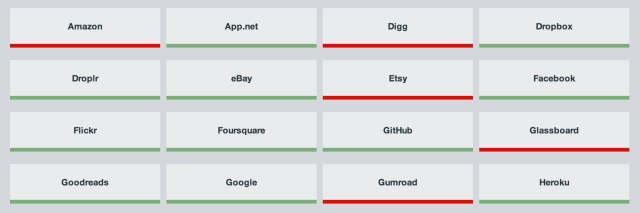
A U.K.-based duo consisting of developer Robb Lewis and designer Ed Poole seem to understand that desire awfully well, and they teamed up to create what may be a truly indispensable resource. It’s called Justdelete.me, and as the name sort of implies, it’s a directory of links to pages where you can lay waste to your myriad online accounts.

Read Article.