Businesses Are Collecting Data. How Are They Using It? | Business News Daily

Modern businesses run on data. Companies regularly capture, store, and analyze large amounts of quantitative and qualitative data on consumer behavior, to which they can apply predictive analytics to make better strategic decisions. Some companies have built an entire business model around consumer data, whether they sell personal information to a third party or create targeted ads to promote their products and services. Here’s a look at some of the ways companies capture consumer data, what they do with that information, and how you can use the same techniques for your own business purposes.
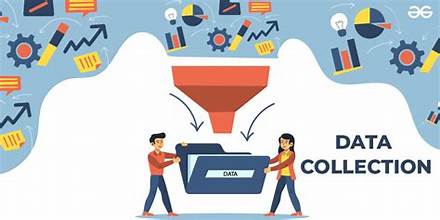
Types of consumer data businesses collect

The consumer data that businesses collect break down into four categories:

  1. Personal data. This category includes personally identifiable information such as Social Security numbers, date of birth, and gender, as well as non-personally identifiable information like browser fingerprints, IP addresses, web browser cookies, and device IDs (which both your laptop and mobile device have).
  2. Engagement data. This type of data details how consumers interact with a business’s website, mobile apps, text messages, social media pages, emails, paid ads, and customer service routes.
  3. Behavioral data. This category encompasses transactional details such as purchase histories, browsing patterns, product usage information (e.g., repeated actions), session recordings, and qualitative data (e.g., mouse movement information and heat mapping).
  4. Attitudinal data. This data type includes metrics on customer satisfaction, purchase criteria, product desirability, brand perception, and customer feedback scores.


Read More

Zoom might use your calls and data to train AI | Mashable

There’s a chance your video calls will be used to train artificial intelligence.

Zoom updated its terms of service this week to allow it to use some of its users’ data for training AI. And the wording reads pretty strong, leading to lots of fears online.

The terms state the you grant Zoom “perpetual, worldwide, non-exclusive, royalty-free, sublicensable, and transferable license and all other rights required or necessary” to customer content for a number of purposes, now including “machine learning” and “artificial intelligence.” Another section of the terms state that Zoom can use certain user data for “machine learning or artificial intelligence (including for the purposes of training and tuning of algorithms and models).”

Read More

How to turn on and access your App Privacy Report in iOS 15 | Mashable

We’re all aware that our apps are collecting our personal data, but wouldn’t you like to know just how often they’re peeping in?

Apple’s new App Privacy Report, which is set to arrive with iOS 15, creates a summary of all the times your installed apps have collected your data over a seven-day period. This report includes information regarding access to your location, microphone, photos, and contacts. It also displays any third-party domains your apps may be contacting so you know where your data could end up.

The setting is a little hidden away in iOS 15, so if you want to turn the summary option on, follow along with our guide below.

Read More

OzoneAI wants companies to pay you for your data, upending the ad model | TechCrunch

Imagine this. Instead of giving away your personal data so web giants can show you ads, you cut out the middle person and allow advertisers to pay you directly for your data.

It’s a novel idea for a new startup that bills itself as a “data privacy” company.

OzoneAI says it preserves users’ privacy by allowing them more granular controls over who gets their data. In the startup’s utopian vision, companies can skip over the major advertising giants like Google and Facebook and buy access to anonymized data from the users themselves. That could mean companies buying your Spotify playlists, your Amazon wish list, or your access to your social media. The user is paid for the access, and the company gets to use the data for better targeting their ads.

Read More