Millions of children could soon lose access to free school meals | Fast Company

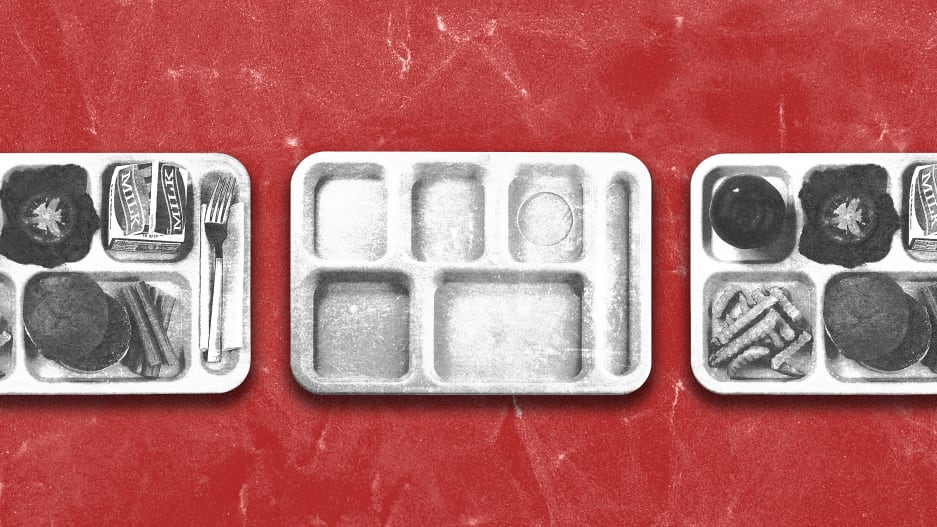
Hulu Kaopio-Camvel lives on the quiet, outer-Hawaiian island of Molokai, which is only 38 miles long and has a population of 7,000. All groceries come to the island via a barge. Since it’s the only option, residents often feel the shock of food prices, especially with inflation. And during the height of the pandemic and supply chain shortages, the boat sometimes didn’t even make it to shore. “Just to get a gallon of milk was crazy,” she says. What used to cost $8.99 has now surged to $12.99 with inflation. So, for her three school-age kids, the free breakfasts and lunches provided at school were a lifesaver.

The national school breakfast and lunch programs, administered by the USDA’s Food and Nutrition Service (FNS) and which have stringent income-eligibility criteria, are typically reserved for families at or below 130% of the federal poverty line. But in March 2020, Congress waived those qualification tests to provide families financial relief during the pandemic, and that allowed every child in America to access free breakfast and lunch—an estimated 30 million kids in total. Lawmakers have extended the waiver twice since. But after opposition from Republican lawmakers, members removed a provision from the latest federal budget that would have extended the program through the forthcoming school year. (It wasn’t until June 25, five days before the program was set to expire, that President Biden was able to sign a brief summer extension into law after Congress finally agreed on it.)

Read More

How Businesses Can Survive Inflation and Recession | Inc.com

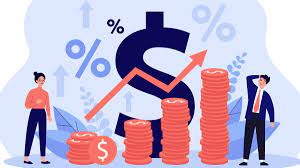
As we all gradually get over the massive economic and societal hurdles the Covid-19 pandemic brought about, the U.S. economy is sliding into more drama: inflation and recession.

Prices are rising, supply chains are still in turmoil, and customers and business owners alike are pinching every penny as their lives get more expensive. Economists agree that this high inflation could be long-lasting and play a major part in the oncoming recession. They see hard times ahead, particularly for small business owners and new entrepreneurs.

Read More

Stocks week ahead: How resilient is the US consumer? | CNN

Worries about an economic slowdown are running wild on Wall Street. Despite concerns about inflation, higher interest rates from the Federal Reserve, supply chain issues and geopolitical turmoil due to Russia’s invasion of Ukraine and Covid outbreaks in China, American consumers continue to do what they do best: shop until they drop.

Retail sales rose at a healthy 0.5% clip in March when compared to February and were up 6.9% from March 2021. Economists are expecting that the strong trend for retail lasted into April as well. The government will report retail sales figures for April on Tuesday. Forecasts are calling for a 0.7% jump from March levels.

In other words, experts don’t think negative headlines and recent market turmoil slowed down consumer spending.

Read More

Buckle up: The Fed is about to get tough on inflation | CNN

Last month, the Federal Reserve raised interest rates for the first time since December 2018. Now there are growing expectations that the central bank is about to dramatically step up the size and pace of its rate hikes in order to put a brake on surging consumer prices.

St. Louis Federal Reserve president James Bullard, one of the more hawkish members among the Fed’s regional bank chiefs, reiterated at an event Monday that the Fed needs to “expeditiously” raise rates in order to tamp down inflation. (Inflation hawks typically push for higher rates while so-called doves favor lower rates to stimulate growth.) Bullard suggested the Fed could raise rates by as much as 75 basis points.

Fed chair Jerome Powell has started to sound a lot more hawkish in recent weeks, but he may not want to move as aggressively as Bullard would like. But it’s clear that rates are likely to start climbing a lot higher soon.

Read More

Buckle up: The Fed is about to get tough on inflation | CNN

Last month, the Federal Reserve raised interest rates for the first time since December 2018. Now there are growing expectations that the central bank is about to dramatically step up the size and pace of its rate hikes in order to put a brake on surging consumer prices.

St. Louis Federal Reserve president James Bullard, one of the more hawkish members among the Fed’s regional bank chiefs, reiterated at an event Monday that the Fed needs to “expeditiously” raise rates in order to tamp down inflation. (Inflation hawks typically push for higher rates while so-called doves favor lower rates to stimulate growth.) Bullard suggested the Fed could raise rates by as much as 75 basis points.

Read More

Inflation Hits a 40-Year High–And Businesses Ponder the R-Word | Inc.com

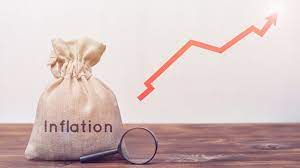
While the cost of capital remains relatively inexpensive and consumers keep their foot on the pedal of the economy, the recent inflationary surge will likely drive the Federal Reserve to act to cool the economy. The big question: Can the Fed apply the brakes without slowing the economy into a recession.

In March, inflation rose 8.5 percent, a 40-year high, according to the latest reading of the Labor Department’s consumer price index, or CPI. Meanwhile, groceries surged 10 percent in March from a year ago, while food overall rose 8.8 percent. Used car prices are more than 35 percent higher than they were a year ago, dropping slightly since January, and nationally a gallon of gas is currently hovering at around $4, up 18.3 percent in March and nearing a record set in 2008.

Read More

US consumer debt jumped by $40 billion in February | CNN

Americans got into a lot more debt in February as rampant inflation kept up the pressure, the Federal Reserve’s consumer credit report showed Thursday.

Debt levels jumped by nearly $42 billion to a total of almost $4.5 trillion. That’s an annual increase of 11.3%, seasonally adjusted, far outperforming economists’ expectations and setting a new high. In January, total credit had grown only 2.4%.

The Fed’s historical consumer credit data goes back to the early 1940s.

Revolving credit, which includes credit cards, jumped by 20.7% to about $1.1 trillion. The category increased by only 4% in the prior month.

Read More

Is it Possible to start a Profitable Business in UK despite inflation and Economic stress? | CoolBusinessIdeas.com

No matter the economic situation of a country, be it the UK or otherwise, there are always businesses within that environment that are delivering services or goods and making huge profits. Even war torn countries, have those within them that are legally profiting and prospering. So while the current state of a country’s economy might be a factor that’s capable of determining the success or failure of a business operating within that economy, a much bigger determining factor is the competence of a business person as well as his/her capability to use any economic situation to their advantage.

To be able to take advantage of what might seem like a bad situation to the average person, an entrepreneur simply needs to ask his/herself some of the following questions;

Read More