As summer slips into autumn and nights begin to grow longer, the final supermoon of the year will make a big splash Thursday (Aug.t 11).
 Nicknamed the “Sturgeon Moon,” August’s full moon peaks around 9:36 p.m. EDT on Thursday (0136 a.m. GMT on Friday), – although the moon will appear bright and full on Wednesday and Friday night (Aug. 10 and Aug. 12) as well.
Most publications consider this a supermoon, meaning the full moon occurs while the moon is nearest its closest point to Earth, also known as perigee, during the current orbit. The Sturgeon Moon will appear within 90% of perigee, making it a supermoon by most scientific definitions. (Some publications put specific distance or time constraints on supermoons, meaning the Sturgeon Moon may not fit the bill for every publication.) Supermoons can appear larger and up to 16% brighter in the sky than the average full moon, according to timeanddate.com.
Read More
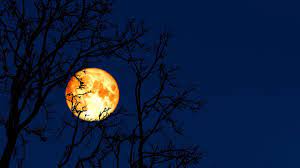 March’s full moon will rise on March 7, coinciding with several holidays and festivals around the world.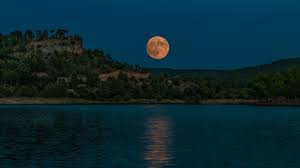
 Dispatches From The Front