The FDA Asks Companies to Stop Selling Ranitidine | WIRED

With its promise of taming the ravages of stomach acid, ranitidine—best known under the brand name Zantac—was counted among the agents of pharmaceutical salvation, the enduring and reliable drugs that treat intractable diseases and make daily life more tolerable. In 1987, Zantac became the most-prescribed drug in the world.

But last week ranitidine was essentially erased from the US market. The US Food and Drug Administration asked manufacturers to withdraw ranitidine products, both in prescription and over-the-counter forms, because of an “impurity” in the pharmaceutical compound. Overtime or in the presence of heat, ranitidine can form unacceptable levels of a probable carcinogen known as N-nitrosodimethylamine, or NDMA, the agency determined.

Read More

US announces ban on e-cigarettes for under 18s | BBC News

The US government has unveiled new federal rules that include a ban on the sale of e-cigarettes to people aged under 18.

The Food and Drug Administration (FDA) will also require manufacturers to submit products to the agency for review.

Cigars, pipe tobacco and hookah tobacco are also subject to the new rules.

On Wednesday, California introduced new anti-smoking legislation that also regulates e-cigarettes.

Read More

Hampton Creek Throws Eggs at the FDA | Bloomberg Business

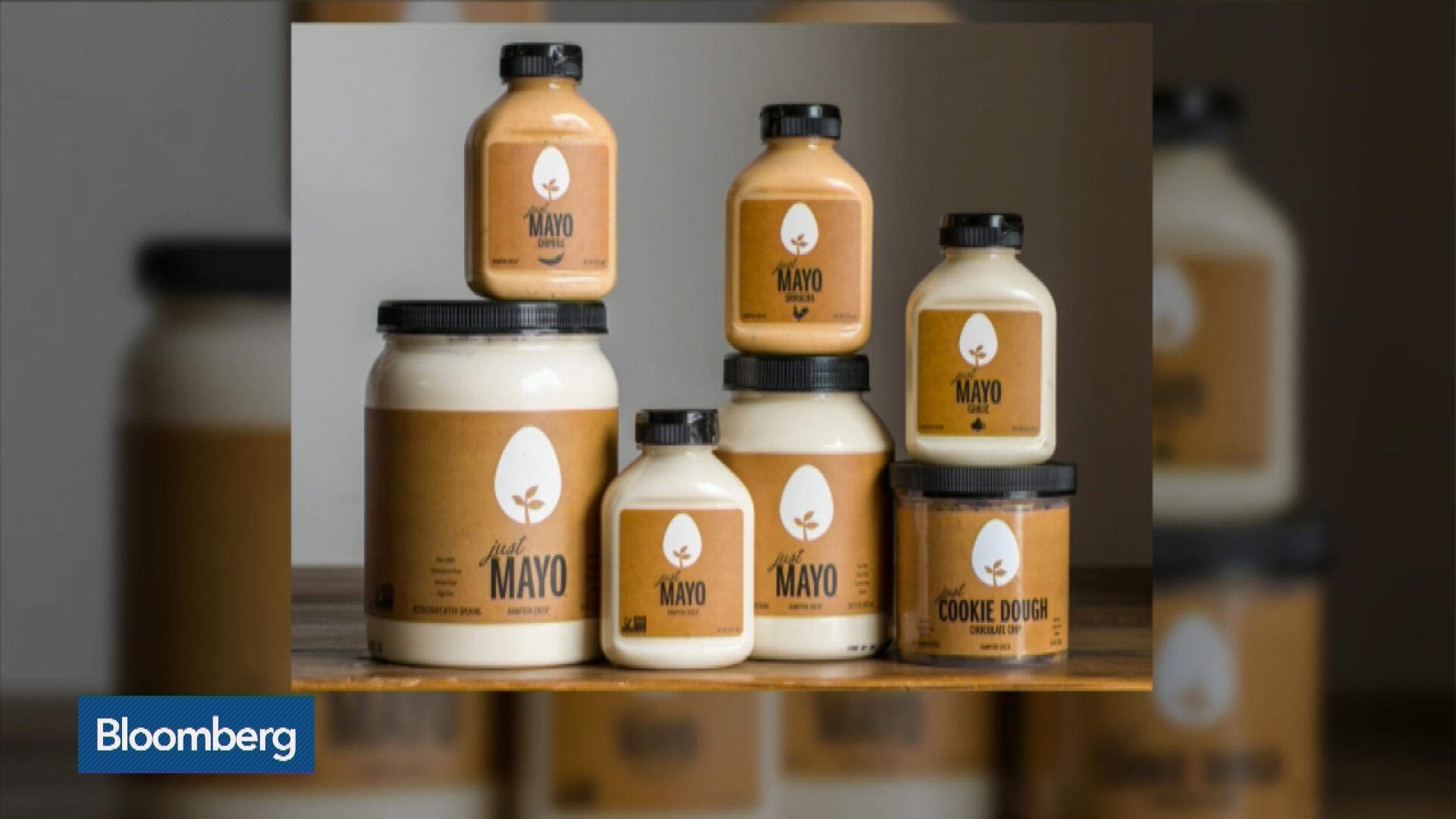
iamkfhxw2rjmAsk U.S. food regulators, and they’ll tell you that mayonnaise has to contain eggs, as it has for the past two centuries. But Josh Tetrick, the Silicon Valley entrepreneur hellbent on disrupting a host of food staples with his plant-based substitutes, gives a far different response: Who cares? “I think it is stupid we can’t call our product mayonnaise,” Tetrick says of his two-year-old Just Mayo eggless spread. “I think it’s ridiculous. We’re definitely not changing the name.”

That defiant stance seems to put Tetrick’s company, Hampton Creek, on a collision course with the Food and Drug Administration. The agency on Aug. 12 issued a warning letter listing a litany of rules broken by its Just Mayo and Just Mayo Sriracha products, including the use of “Mayo” in the name and the image of an egg on the label that may imply it meets the agency’s standard definition for mayonnaise—eggs and all. “This is one of the most blatant violations of the standard-of-identity rules that I’ve seen in a long time,” says Elizabeth Campbell, a former acting head of the FDA’s office of food labeling, who now works at EAS Consulting Group.

Read More

Some Popular Supplements Still Contain Untested Compound | Live Science

A number of supplements marketed for weight loss and improved athletic performance contain a synthetic compound that is similar to the drug amphetamine, and that compound has not been tested in people, according to a new study.

What’s more, the Food and Drug Administration has known about the presence of this drug in supplements for two years, but still has not warned consumers about the issue or acted to take the supplements off the market, according to the study.

The FDA “did a lot of hard work to figure out this brand-new designer stimulant was in supplements … and then failed to inform the public,” said Dr. Pieter Cohen, an assistant professor of medicine at Harvard Medical School and co-author of the new study. “It’s inexplicable and inexcusable,” Cohen said.

Read More.

5 Percent of “Gluten-Free” Foods Aren’t. New FDA Rules Start Aug. 5 | Businessweek

At last count, 28 percent of adults said they were gluten-free, or something close to it; the U.S. market for gluten-free foods has grown to more than $4 billion. And yet, as anyone who’s ever wondered whether there’s really gluten in oats can tell you, there hasn’t been an official definition of what, exactly, qualifies a food as gluten-free. Now there is one, courtesy of the Food and Drug Administration.

Starting on Aug. 5, packaged foods will be officially considered gluten-free if they contain fewer than 20 parts of the protein per million per kilogram, an amount that even people with celiac disease can tolerate—and the smallest quantity that can be reliably measured. With all the hype and its inevitable debunking, naturally I was suspicious of some gluten-free claims. But the FDA says 95 percent of food labeled gluten-free meets the criteria.

Read More.

Herbal supplements: What to know before you buy | MayoClinic.com

Echinacea to prevent colds. Ginkgo to improve memory. Flaxseed to lower cholesterol. The list of herbal remedies goes on and on.

Herbal supplements, sometimes called botanicals, aren’t new. Plants have been used for medicinal purposes for thousands of years. However, herbal supplements haven’t been subjected to the same scientific scrutiny and aren’t as strictly regulated as medications.

For example, makers of herbal supplements don’t have to get approval from the Food and Drug Administration FDA before putting their products on the market.Yet some herbal supplements — including products labeled as \”natural\” — have drug-like effects that can be dangerous. So its important to do your homework and investigate potential benefits and side effects of herbal supplements before you buy. And be sure to talk with your doctor, especially if you take medications, have chronic health problems, or are pregnant or breast-feeding.

Are herbal supplements safe?

Herbal supplements are regulated by the FDA, but not as drugs or as foods. They fall under a category called dietary supplements. The rules for dietary supplements are as follows:

Read More.