How the EPA’s backtracking on vehicle emissions will impact the shift to EVs | Fast Company

The U.S. government is in full retreat from its efforts to make vehicles more fuel-efficient, which it has been waging, along with state governments, since the 1970s.
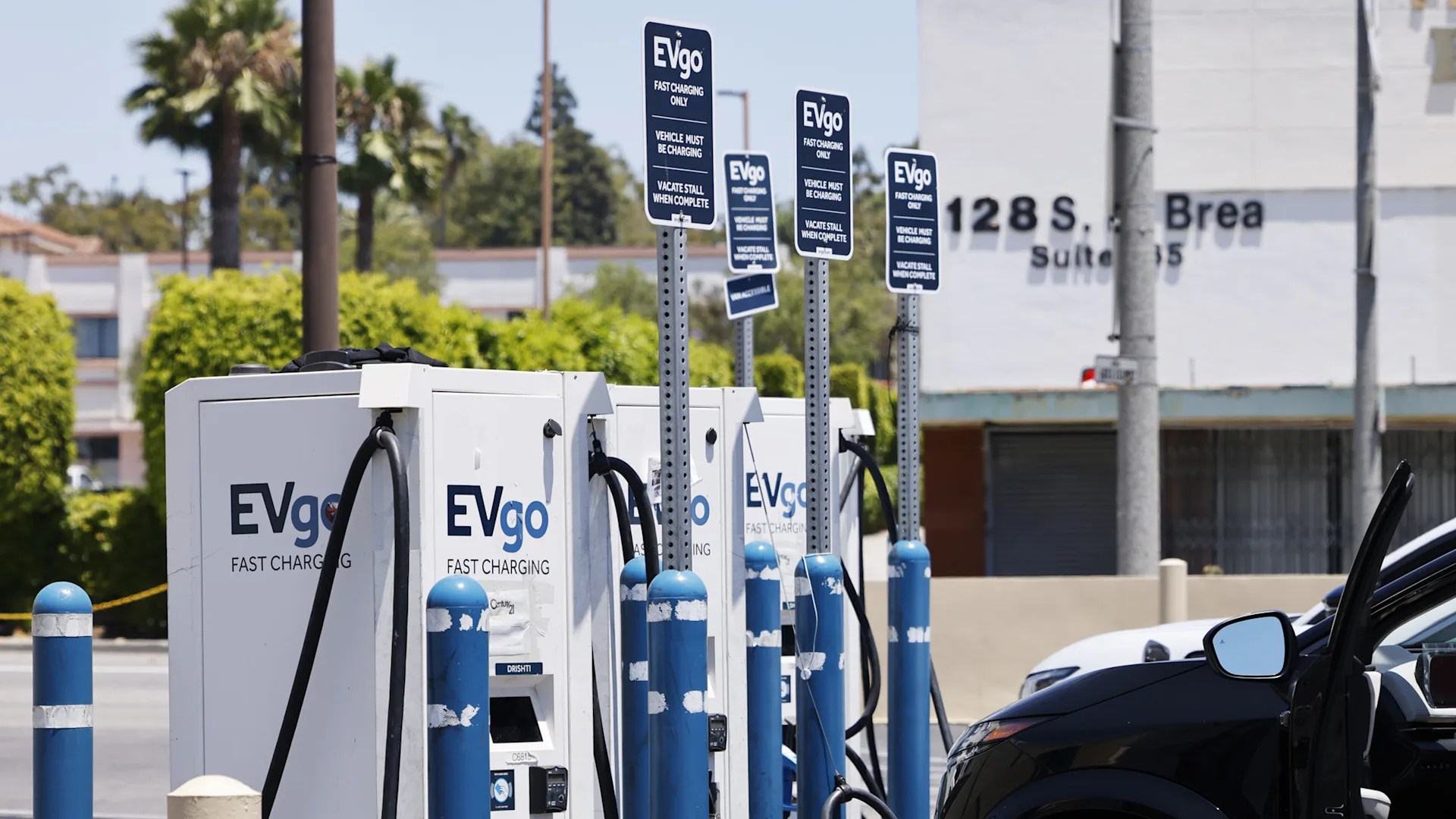
The latest move came on July 29, 2025, when the Environmental Protection Agency said it planned to rescind its landmark 2009 decision, known as the “endangerment finding,” that greenhouse gases pose a threat to public health and welfare. If that stands up in court and is not overruled by Congress, it would undo a key part of the long-standing effort to limit greenhouse gas emissions from vehicles.

As a scholar of how vehicle emissions contribute to climate change, I know that the science behind the endangerment finding hasn’t changed. If anything, the evidence has grown that greenhouse gas emissions are warming the planet and threatening people’s health and safety. Heat waves, flooding, sea-level rise, and wildfires have only worsened in the decade and a half since the EPA’s ruling.
Read More

Supreme Court Ruling Empowers Small Businesses to Fight Regulatory Overreach | Small Biz Trends

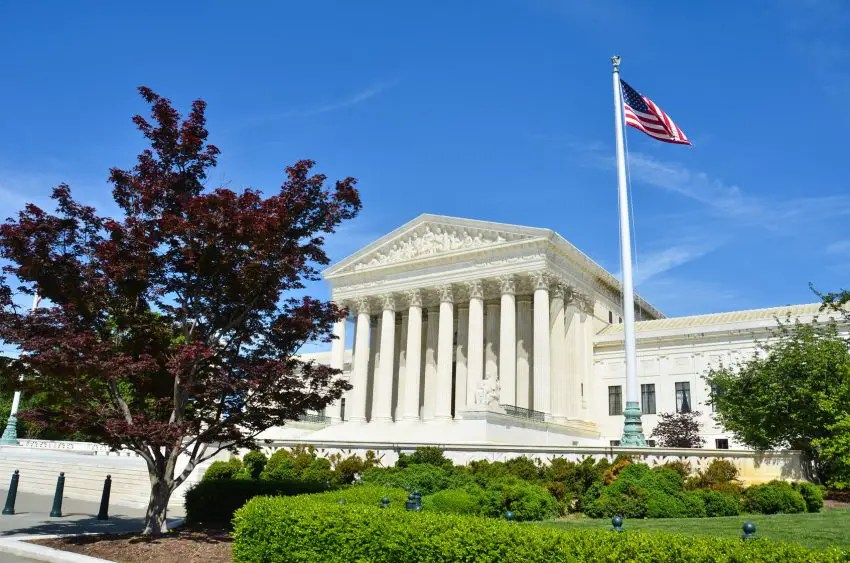
The recent ruling by the U.S. Supreme Court is a significant win for small businesses across the country, affirming their right to challenge government regulations they deem excessively harmful. In a decision handed down on June 20, 2025, the Court reversed a controversial ruling from the D.C. Circuit Court that had imposed stricter standing requirements for indirectly regulated entities when contesting federal actions.

This decision has immediate implications for countless small business owners who may find themselves adversely affected by the regulatory actions of agencies like the Environmental Protection Agency (EPA). The case in question, Diamond Alternative Energy, LLC, et al. v. Environmental Protection Agency, centered around waivers under the Clean Air Act, a potential source of confusion for businesses navigating a complex regulatory landscape.

Read More

EPA allows California to ban sales of new gas cars by 2035 | Fast Company

The Environmental Protection Agency (EPA) on Wednesday granted two requests from California to enforce strict standards for vehicle emissions, including a rule aimed at banning sales of new gasoline-powered cars in the state by 2035. The incoming Trump administration is likely to try to reverse the action.

The California rule is stricter than a federal rule adopted this year that tightens emissions standards but does not require sales of electric vehicles.

EPA said its review found that opponents of the two waivers did not meet their legal burden to show how either the EV rule or a separate measure on heavy-duty vehicles was inconsistent with the federal Clean Air Act.

Read More

Energy Star won’t recommend gas appliances on ‘most efficient’ list | Fast Company

If you’re in the market for a new home appliance and you want that purchase to be as environmentally friendly as possible, you might look for options that feature a label from Energy Star, a symbol backed by the Environmental Protection Agency and Department of Energy specifically to promote energy-efficient products.

Each year, Energy Star puts out a list of the Most Efficient appliances, those that the program says “save you money and protect the environment.” The list also features the “most efficient, pollution-reducing products.” Until now, that list might have included gas-powered appliances such as gas dryers, furnaces, and boilers—despite the fact that those items rely on polluting fossil fuels.

Read More

The EPA’s backwards agenda is the opposite of what consumers want | Fast Company

Under Scott Pruitt’s leadership, the Environmental Protection Agency has focused its efforts on deregulation. From lead paint to fuel efficiency to wastewater, no environmental regulation is safe from targeting.

Publicly, Pruitt has distanced the EPA from climate change science. Pruitt said on national television that he does not agree that man-made activity is a driver of global warming.  Exactly one year ago this month, Pruitt was reportedly the loudest cheerleader for Trump’s decision to pull the U.S. out of the Paris Climate Accord.

Read More

3 million gallons of toxic waste spilled by EPA is turning Colorado waters to orange sludge | Mashable

DENVER — The Environmental Protection Agency says the mine waste spill into Colorado waters is much larger than originally estimated.

The EPA now says 3 million gallons of wastewater spilled Wednesday and Thursday, instead of 1 million. The revision came after the EPA used a stream gauge from the U.S. Geological Survey. An EPA-supervised crew, who was trying to enter the mine to pump out and treat the water, caused the spill. The agency has not said how long cleanup efforts will take.

But an EPA official said Sunday that she doesn’t believe wildlife will suffer significant health impacts from the wastewater from an abandoned mine in southwestern Colorado.

Read More.

Saving on Sustainability | IBIS World

While many US companies are making swift moves toward eco-friendliness to boost their corporate images or because they truly care, many others simply have to because of the nature of their businesses or ever-stricter environmental regulation. For instance, the daily operations of energy and manufacturing companies’ already necessitate monitoring of output and waste. Meanwhile, EPA legislation revisions planned this year are expected to expand the pool of companies at risk of costly noncompliance fines if they don’t implement more sustainable practices.

Already taking those steps are behemoths like Bank of America and its internal recycling program, Hewlett Packard and its e-waste initiative and Walmart and its use of energy-efficient lighting. While these corporate giants may have the necessary funds and resources to make drastic investments in sustainability, there are many steps businesses of all sizes can take to lessen their negative impact on the environment or simply stay compliant as regulation tightens. And with the right purchasing strategies, businesses can avoid taking an axe to their bottom line. IBISWorld has identified some key products and services that can help companies achieve their sustainability goals, as well as the strategies to do so for the best price.

Read More.

Mercury Levels in Water Detected Using Mobile Phones – GreenPacks.org

The presence of mercury, the most deadly and toxic element that contaminates water and food materials within a short span of time, can be determined with your mobile phone. The Environment Protection Agency (EPA) has been in efforts to reduce mercury in the environment. Researchers at the University of Burgos have now come out with new test results that detail how to detect mercury in contaminated water

Read More.