The ‘mono’ virus raises the risk of MS and cancer in some. 22 genes hint at why. | Live Science

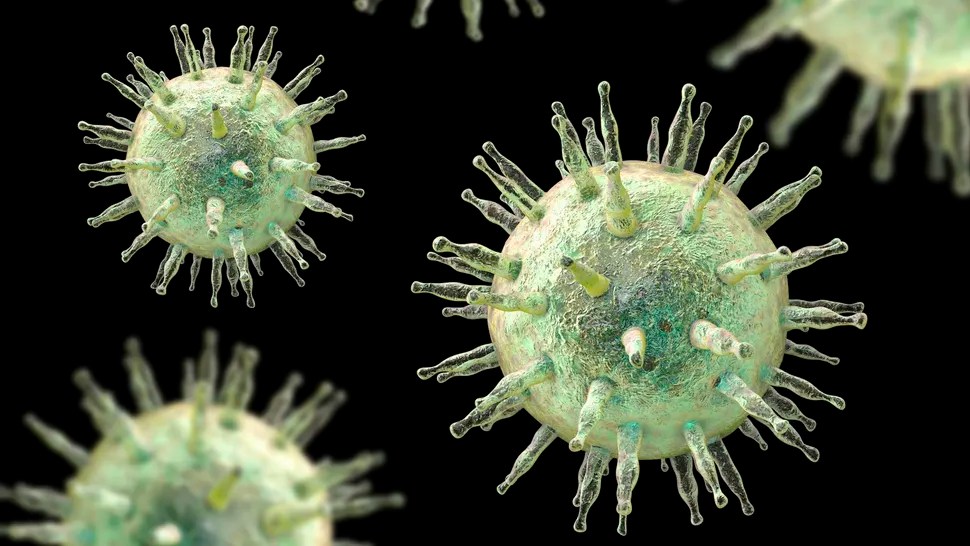
Around 90% of people are infected with Epstein-Barr virus at some point in their lifetimes. For most of them, the virus causes a mild, transient illness or no symptoms at all. But for a subset of people, Epstein-Barr can eventually contribute to chronic illnesses, such as lupus and multiple sclerosis, or to the development of cancer.

Now, new research uncovers 22 human genes that might make an Epstein-Barr infection more likely to turn into a chronic condition.

Researchers can’t yet definitively say whether these genes directly make Epstein-Barr more dangerous, or whether they are part of an underlying immune suppression that allows the virus to persist at higher levels in the body than usual. But the new study should provide a jumping-off point, said Jill Hollenbach, a professor of neurology at the University of California, San Francisco, who was not involved in the study.

Source: The ‘mono’ virus raises the risk of MS and cancer in some. 22 genes hint at why. | Live Science

What are ultraprocessed foods? | Live Science

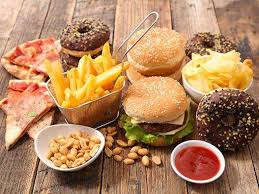
Heart disease, cancer, diabetes — these and other concerning health effects have been tied to “ultraprocessed foods,” which make up more than half of the calories consumed in the U.S. Eating large amounts of these foods, which are high in salt, sugars and additives, may even increase a person’s risk of early death.

There’s growing awareness around the potential harms of these products, but which foods count as “ultraprocessed” is not always clear.

So what, exactly, are ultraprocessed foods?

Read More

Here’s How Many US Cancer Cases Are Tied to Unhealthy Diets | Live Science

More than 80,000 cancer cases diagnosed each year in the U.S. may be tied to an unhealthy diet, according to a new study.

The study researchers used a mathematical model to estimate the number of U.S. cancer cases tied to suboptimal intake of seven dietary components known to be related to cancer risk. These included diets low in whole grains, dairy, fruits and vegetables; and diets high in processed meats, red meats and sugar-sweetened beverages.

Read More

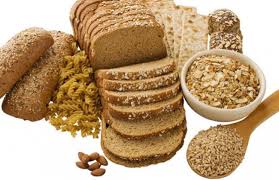
How Whole Grains Could Help Your Liver | Live Science

Eating whole grains and cereal may reduce the risk of liver cancer.

That’s according to findings presented Tuesday (April 1) here at the annual meeting of the American Association for Cancer Research (AACR).

Eating a diet rich in whole grains and dietary fiber has been linked to numerous health benefits, including a lower risk of insulin resistance, high insulin levels in the blood and inflammation in the body — all of which are risk factors for hepatocellular carcinoma, the most common type of liver cancer.

Read More