When you think about air quality, your mind probably first goes to the outdoors, where the air can be polluted by passing cars, coal plants, or wildfire smoke. But your indoor air is full of pollutants too, which can come from cooking and cleaning, building materials, and even the flame retardants on your couch. Now researchers have an inventive solution: a coating that turns regular lampshades into air purifiers, using the heat given off by light bulbs.
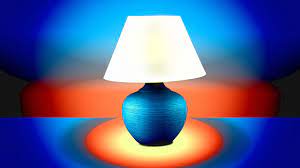 Typical air purifiers use filtration systems to remove pollutants from the air. But those systems just absorb the pollutants into the filter and don’t remove them completely, explains Minhyung Lee over email. Lee, a graduate student at South Korea’s Yonsei University, where the research is being done, presented these findings at a meeting of the American Chemical Society. Some other air purifiers use a catalyst to cause a chemical reaction against pollutants, destroying them and releasing the purified air back into the room. But that method requires a strong UV light, “which is dangerous and expensive,” Lee says.
 Dispatches From The Front