If you think the combined stuttering of Twitter, Facebook, and LiveJournal this morning–which has been attributed to several DDOS attacks–were rough for you, well, try dipping into the shoes of the developers who make software based on Facebook and Twitter APIs.
Category: News and Views
The Value of the “Too Big to Fail” Big Bank Subsidy | Dean Baker and Travis McArthur
 ‘Too Big to Fail’ banks have nearly a one percent advantage over small banks, a $34 billion dollar subsidy.
This piece deals with one of the many consequences of the bail out.
Consumer Spending Falls In September, Biggest Drop In Nine Months
 By Martin Crutsinger – Huffington Post
WASHINGTON — Consumer spending plunged in September by the largest amount in nine months, reflecting the end of the government’s Cash for Clunkers auto sales program. Incomes, the fuel for future spending, were flat.
While the government reported that the overall economy grew in the July-September period, signaling the end of the worst recession in seven decades, the weakness in spending and incomes as the quarter ended underscores the fragility of the recovery.
Continue reading “Consumer Spending Falls In September, Biggest Drop In Nine Months”
Recovery Task Force Announces $156 Million in Recovery Act Funds Now Available for Energy Efficiency and Solar Projects

Governor Arnold Schwarzenegger’s California Recovery Task Force today announced that more than $156 million in American Recovery and Reinvestment Act (Recovery Act) funds are now available for application for energy efficiency and solar projects in California. A package of options under the State Energy Program (SEP) and the Energy Efficient and Conservation Block Grants (EECBG) Program offer local jurisdictions, non-profits and private organizations the opportunity to invest in energy efficiency and photovoltaic energy projects – while helping to stimulate their local economies. Governor Schwarzenegger announced that California was the first state in the nation to apply federally for SEP funding available under the Recovery Act.
10 Things Corporations Can Learn from Pro Wrestling | Fast Company

I’ve found wrestling often acts as a carnival mirror to our culture, stretching and magnifying the underlying fears, prejudices and tension points amongst us. However, I think wrestling provides all sorts of learning that corporate America should pay attention to as well.
Fallingwater Opens Its Doors to Guests (GALLERY) | trendhunter.com

Frank Lloyd Wright’s Fallingwater home is iconic and it is now opening its doors to overnight guests (sort of).
How to Milk an Almond (fresh homemade almond milk, easy) | Instructables.com
Fresh r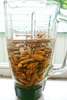 aw almond milk is delicious, healthy, unprocessed, and economical. There is no waste, no unrecyclable plastic-lined tetra-pak boxes or cartons to put in landfills and drink BPA out of, and this tastes much, much better than storebought.
2009 UN World Drug report – The Big Picture – Boston.com
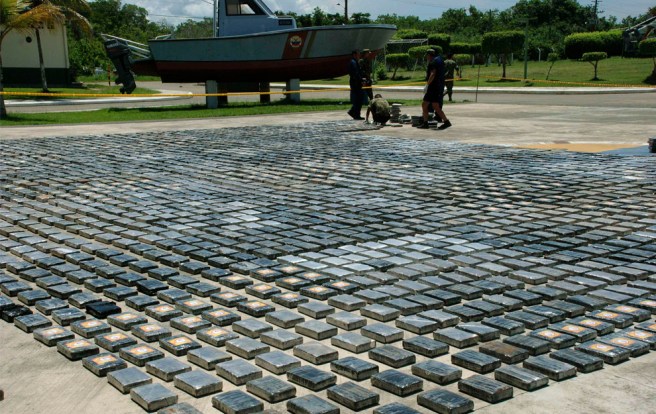
2009 UN World Drug report – The Big Picture – Boston.com.
The 2009 United Nations World Drug report, released earlier this year, notes that 2009 marks “the end of the first century of drug control (it all started in Shanghai in 1909)”, and that the illicit drug market worldwide has now become a $320 billion-per-year industry. As drug-related violence in Mexico appears to continue unabated, and crackdowns in Afghanistan are being made against its massive opium crops, new efforts are also being made worldwide in methods of enforcement and treatment of recovering addicts. Collected here are a handful of recent images from the rough world of illegal drugs across the globe. (37 photos total)
Ice-skating bear from Russia kills circus director in Kyrgyzstan – Telegraph
I’ve said it once, I’ll say it again: Nothing good can come of teaching bears to ice skate.

S.B.A. Softens New Good-Will Rules | NYTimes.com

We just ran across this issue with one of our clients, so I thought this would be good information to pass along. Note that the ‘good will’ limitation was $250,000 or 50% before, so this is a big policy change.
As always, all SBA deals are done according to individual bank policies so it remains to be seen if this change will actually help someone.
Effective Oct. 1, good will and other intangible assets can amount to up to $500,000, with no limit on the percentage of the loan. When intangibles exceed $500,000, the S.B.A. will recommend that banks limit the S.B.A.-backed loan to 75 percent of the purchase price.

