Windows RT dies with a whimper | Mashable

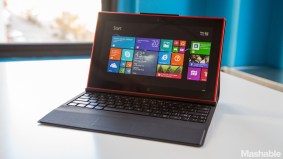
When Microsoft launched Windows 8 in the fall of 2012, its poster child was the Surface RT tablet. The thin, meticulously designed slate was supposed to showcase all that was good about the new touch-friendly version of Windows: dynamic live tiles, full-screen apps and lack of “chrome,” like a start button.

The device failed to attract customers, though, and Microsoft ended up losing nearly $1 billion on the tablet due to unsold inventory. A big part of what stymied the Surface was its operating system: a watered-down version of Windows called Windows RT that couldn’t run traditional desktop apps. It was Windows, just without any of the programs you actually wanted to run.

Read More.

BP Slashes Spending, Braces For Oil Prices To Stay Low | Forbes

Add BP to the list of oil companies slashing their spending in the wake of tumbling oil prices.

The company said Tuesday it was lowering its budget for exploration and production this year to $20 billion, down significantly from previous forecasts of $24 billion to $26 billion.

“We have now entered a new and challenging phase of low oil prices through the near and medium term,” said CEO Bob Dudley, adding that ”our focus must now be on resetting BP” and maintaining safe operations.

Read More.

Apple to sell bonds worth $5bn | BBC News

Technology giant Apple is expected to raise at least $5bn by issuing bonds on Monday.

Some of the funds raised will be used for Apple’s share buyback programme. The California-based company plans to return more than $130bn to shareholders by the end of this year.

The move comes despite the company sitting on a cash pile of $178bn.

Apple will raise less than half the $12bn generated in April 2014 when it was last active in the US bond market.

A year earlier it raised $17bn.

Read More.

Why Obama’s 2016 Budget Has Small-Business Boost Written All Over It | Inc.com

barack-obama-2015_49422President Obama is set to send his 2016 budget proposal to the newly Republican-led Congress as early as Monday, and news of what’s in it has already begun to emerge–namely, plans for spending increases.

While small businesses could expect a slight economic boost from more government spending, experts say, the budget debate is likely to be weighed down by intense partisan rancor that may offset any potential gain. Among other events, there’s a threat of more skirmishes over the debt ceiling and another government shutdown.

Read More.

AI Won’t End the World, But It Might Take Your Job | WIRED

There’s been a lot of fear about the future of artificial intelligence.

Stephen Hawking and Elon Musk worry that AI-powered computers might one day become uncontrollable super-intelligent demons. So does Bill Gates.

But Baidu chief scientist Andrew Ng—one of the world’s best-known AI researchers and a guy who’s building out what is likely one of the world’s largest applied AI projects—says we really ought to worry more about robot truck drivers than the Terminator.

In fact, he’s irritated by the discussion about scientists somehow building an apocalyptic super-intelligence. “I think it’s a distraction from the conversation about…serious issues,” Ng said at an AI conference in San Francisco last week.

Read More.

Small Business Taxes 2015: Everything You Need to Know | Business News Daily

Following the most wonderful time of the year is a season that strikes fear in the hearts of many small business owners: tax time.

Shelling out a substantial percentage of the year’s income is stressful enough, but tax season also brings with it a great deal of complexity and confusion. Tax laws are constantly changing and being revised, and it can be difficult for small business owners to keep up. And what adds even more stress to tax filing is that even innocent mistakes or oversights can lead to big penalties.

Read More.

Can Employers Mandate Vaccinations for Employees? | Businessweek

Five workers at Disneyland have been diagnosed with measles in an outbreak that California officials trace to visitors at the Anaheim (Calif.) theme park in mid-December. Disney is urging its 27,000 workers at the park to verify that they’re inoculated against the virus, and the company is offering tests and shots on site for workers who are unvaccinated. “We’re doing everything that we possibly can to proactively communicate to our cast members,” said Disney spokesperson Lisa Haines.

Disney won’t, however, require workers to get routine vaccinations as a condition of employment. Almost no companies outside the health-care industry do. “Our policies are consistent with other employers’ policies on this issue,” said Haines, noting that airports, hotels, and other businesses whose staffs encounter lots of potentially contagious travelers don’t mandate immunization. She declined to say how many Disney workers have been inoculated since the outbreak. Three of the workers who caught measles have recovered and returned to work.

Read More.

Why Google’s Plan To Sell Wireless Probably Doesn’t Scare Network Providers | TechCrunch

Google is gearing up to sell wireless service directly to customers as a mobile virtual network operator (MVNO), by acquiring excess network capacity from Sprint and T-Mobile and reselling it to customers under its own brand. This is the same approach used by Cricket Wireless, MetroPCS, Pure Talk, Republic Wireless and many others in the U.S., but Google’s arrangement apparently required special consideration, according to The Wall Street Journal, given the potential threat network providers perceived in giving the search giant and Android maker too much control.

Read More.