Techies Are Trying to Turn the NBA Into the World’s Biggest Sports League | WIRED

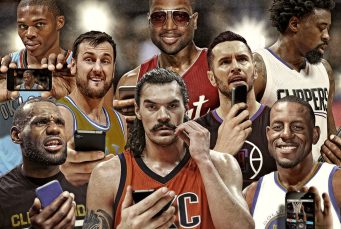
IN 2014, THE Los Angeles Clippers were just getting used to being a good basketball team. After more than three decades of irrelevance—and only four winning seasons—they’d finally found that magic mix of talent and cohesion and had become a division-winning powerhouse practically overnight. But then they hit another roadblock: TMZ published a recording of the team’s owner, Donald Sterling, making racist comments.

The scandal spread. Rumors began to swirl that the league would force Sterling to sell the team. Basketball in LA has long been associated with celebrity, and the names of A-list prospective buyers flew: Billy Crystal, Oprah Winfrey. Even boxer Floyd Mayweather reportedly expressed interest.

Read More

How Airports Can Get Rid of TSA Screeners | Bloomberg

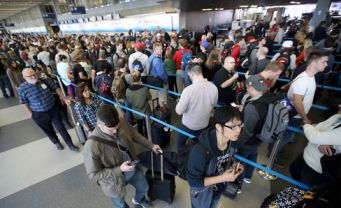
Tens of thousands of travelers standing in interminable security lines this holiday weekend will, at least momentarily, entertain fantasies of revenge against the Transportation Security Administration. Airports could actually do something about the hated agency, and a few are weighing a radical option: firing TSA screeners and hiring private replacements.

The frustration over queue times—which have topped two and three hours at airports in Atlanta, Chicago, Charlotte and Denver—has prompted new attention by airport executives to the TSA’s little-known Screening Partnership Program, in which the federal agency solicits bids for a contractor to handle airport screening. The contractors must follow the same security protocols as federal officers, with similar wages and benefits.

Read More

Few US Adults Engage in All 5 Key Health Habits | Live Science

Just 6 percent of adults in the U.S. have adopted all five key health habits that are linked with better health or longer life, according to a new report.

But adults in some states are far healthier than others: The states with the highest percentages of people who engage in all five habits are Utah (with 11.3 percent), Hawaii (9.2 percent) and Oregon (9 percent), according to the report published today (May 26) in the journal Preventing Chronic Disease.

The five health habits the researchers looked at were: maintaining a healthy body weight (with a BMI between 18.5 and 24.9), getting at least 7 hours of sleep, exercising (150 minutes of moderate exercise, or 75 minutes of intense exercise weekly), drinking alcohol in moderation or not at all, and not smoking. For the report, the researchers at the Centers for Disease Control and Prevention looked at the data from nearly 400,000 U.S. adults ages 21 and older who participated in a national survey.

Read More

The long legacy of the floppy disk | BBC News

The technology world may seem to be locked in an endless cycle of renewal – but not when it comes to the floppy disk.

More than 50 years after the technology was invented it has emerged that the US nuclear weapons force uses the disks in the 1970s computer system it still employs.

As it turns out the Pentagon is not alone in retaining an affection, sometimes born of technical necessity, for the humble disk. But why has it survived when so many other technologies have fallen by the wayside?

Read More

Are You Ready for This Disgraceful New Airline Fee? | Inc.com

Every time you book a flight these days, you have to be ready for a slippery feeling in your pocket.

Burrowing in there like a pizza-seeking rodent is your airline, looking for any spare change you might have.

A few dollars here, a few dollars there.

It’s all so the airline can make just a little more money and offer you absolutely no additional comforts whatsoever.

You’re a captive audience, you see. Once the airline has you, it wants you to pay through the nose. The ear and throat, too.

So it is the airline industry has concocted a relatively new fee: Charging you extra to sit with your loved ones.

Read More

Europe eyes new rules for online platforms | TechCrunch

The European Union’s executive body has today set out a series of proposals for new rules that would apply to a broad range of online platforms, from the likes of YouTube to Google to eBay, as part of ongoing efforts to boost competitiveness in the region under its Digital Single Market Strategy.

The proposals follow a year long assessment by the European Commission of online platforms, after which it says it has concluded that a ‘one-size-fits-all’ approach is not appropriate to maximize consumer benefits while ensuring effective regulation across all the different types of platforms — so it says it will rather look at each area where it can act “from telecoms to copyright rules, to address any specific problems in a future-proof way for all market players”.

Among the proposed changes is a new set of audiovisual rules — with the stated aim of achieving a better balance between rules that apply to traditional broadcasters vs online video-on-demand providers and video-sharing platforms like YouTube. Key among the EC’s concerns here is safeguarding minors.

Read More

Google Maps Will Feature Local Search Ads for Businesses | Adweek

Expect to see more digital strangers along your physical routes: Local ads are coming to Google Maps.

Now that nearly one third of all mobile searches are related to location, Google is looking for more ways to connect marketers with users walking, biking, driving and otherwise commuting around any given city.

In a blog post published today, Google said it’s investing more in “branded, customized experiences” for businesses to help increase store visits.

Users will be able to tell the difference between a promoted location and an organic location by the color of the pin on the map and the word “ad” in the text at the bottom of the screen.

Read More

Social Screening: What Hiring Managers Look for On Social Media | Business News Daily

The number of hiring managers using social media to investigate job candidates has grown immensely over the past 10 years, according to a new CareerBuilder study.

Specifically, 60 percent of employers now turn to social networks to research job applicants, up from 52 percent last year and just 11 percent in 2006.

“Tools such as Facebook and Twitter enable employers to get a glimpse of who candidates are outside the confines of a resume or cover letter,” Rosemary Haefner, chief human resources officer of CareerBuilder, said in a statement.

Read More