A group of people living in the far southern reaches of Greece’s Peloponnesian Peninsula have been genetically isolated for over a millennium and can trace their roots back to the Bronze Age, an analysis of their DNA reveals.
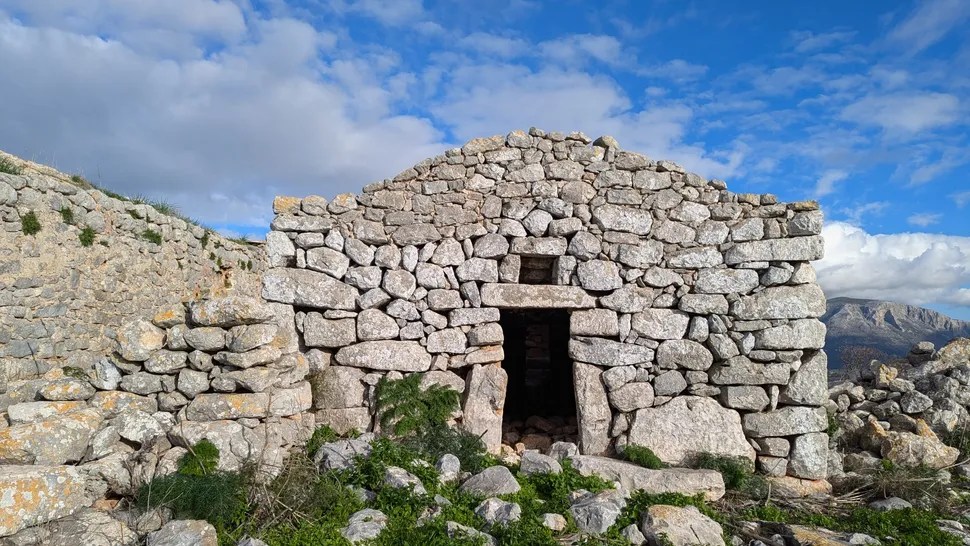 A new genetic study shows that this group, known as the Deep Maniot Greeks, are paternally descended from ancient Greeks and Byzantine-era Romans. Long-term genetic isolation and strict patriarchal clans likely contributed to the unique genetics of the Deep Maniot Greeks over the past 1,400 years, according to the study authors.
The Mani Peninsula is the middle of three peninsulas that extend south from mainland Greece. In ancient times, the area was part of the Laconia region, which was dominated by the city-state Sparta in the seventh century B.C. Much of the Greek Peloponnese region experienced demographic upheaval as Slavic peoples invaded in the sixth century A.D. However, the Mani Peninsula was spared, and the Deep Maniots who lived in the far southern part of the peninsula became geographically and culturally isolated from the rest of Greece.
 Dispatches From The Front