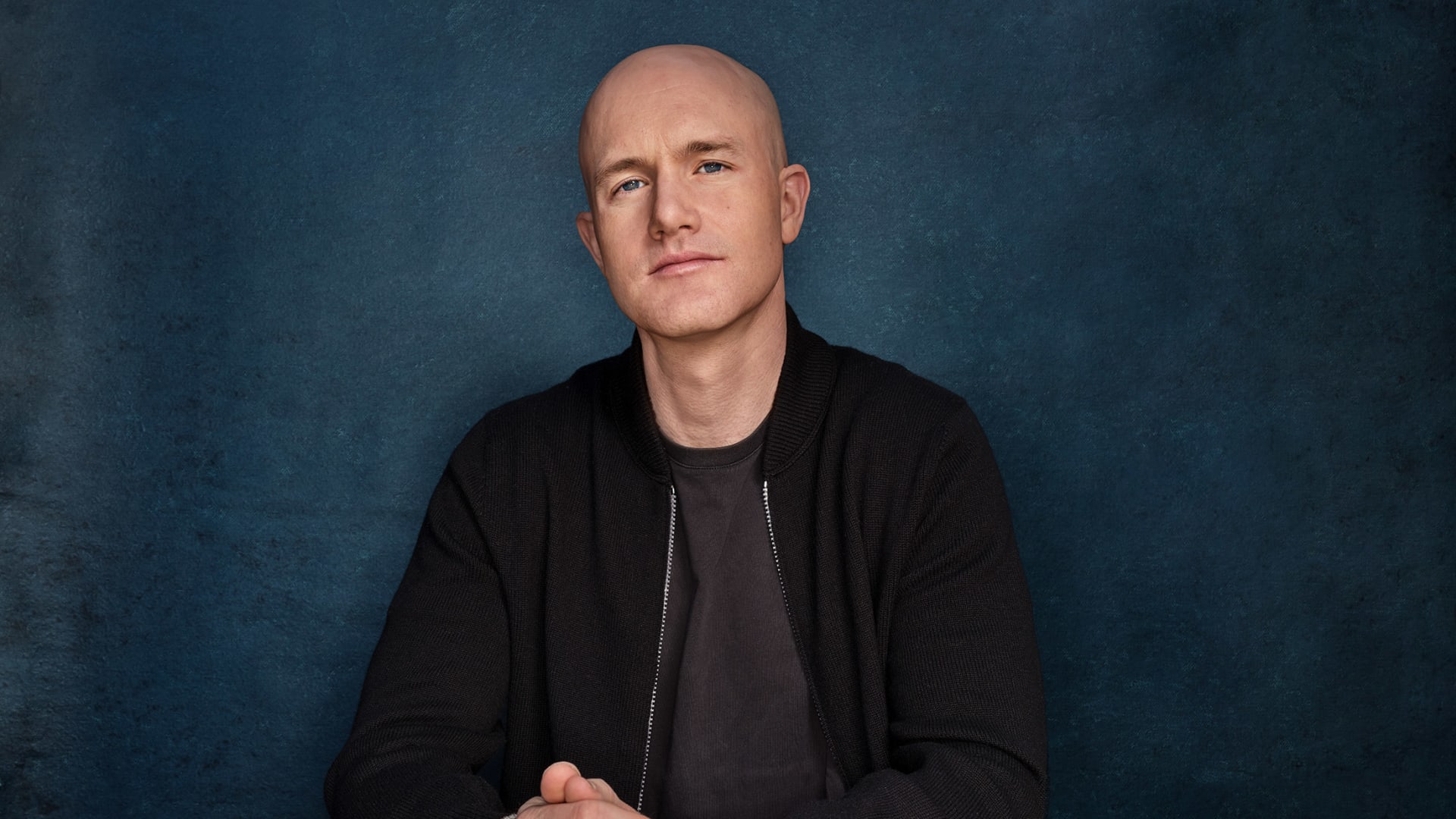
 Brian Armstrong once feared he’d been born too late. As a teenager growing up in the late 1990s, he could play video games and chat and surf on the burgeoning internet. But he was too young to take part in the dot-com startup boom happening all around him, transforming the economy along with how he spent his days and nights. “I didn’t know if something so important would come along in my lifetime again,” he says today. Something did. And Coinbase is the company he co-founded to do something about it. For most of Coinbase’s nearly 10-year history, Bitcoin and its cybercoin kin were not so much investable assets as they were the focus of a philosophical and economic argument. Old, fiat money asked: How can any store of value be based on an algorithm that solves a cryptologic problem tied to something called a blockchain ledger created by a pseudonymous code ninja named Satoshi Nakamoto? Could a hash function really replace cash?
- Comment
- Reblog
-
Subscribe
Subscribed
Already have a WordPress.com account? Log in now.
 Dispatches From The Front