 For decades, Kraft and other food behemoths offered convenience, comfort, and the promise of a modern lifestyle. But the compound annual growth rate of the packaged food industry in North America has been less than 1 percent for almost 10 years, with Big Food losing market share to smaller, healthier brands. Venerable Kraft Foods—whose Singles are a “processed cheese product,” and whose Cool Whip didn’t contain milk or cream until five years ago—has lost revenue for the past three years. “Now these big food brands are old-fashioned,” says Bob Goldin, chief executive officer at researcher Technomic. “Consumers don’t see them as relevant.”
But investors, well, that’s a different matter. Warren Buffett—who drinks Coke at breakfast and says he eats like a 6-year-old—teamed up with 3G Capital, the private equity firm founded by some of Brazil’s wealthiest men and known for its penny-pinching ways at Anheuser-Busch InBev and Burger King, to buy ketchup maker Heinz in 2013. In July, Heinz closed on its purchase of Kraft, with Buffett’s Berkshire Hathaway and 3G owning a 51 percent stake. Kraft Heinz instantly became the third-largest food company in North America, with global sales of $29 billion last year. The good news is it’s composed of big, profitable brands. The bad: They have little potential to grow. “What can they do with these brands?” says Bloomberg Intelligence analyst Kenneth Shea. “They’ll do the best they can, but mostly they’ll cut costs.”
Read More
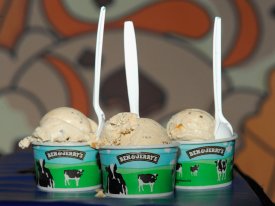 LONDON — Unilever, the monolithic company behind the likes of Ben & Jerry’s ice cream, Hellmann’s mayonnaise and Dove, has rejected a takeover bid from fellow consumer goods giant firm Kraft Heinz, both companies confirmed on Friday.

 Dispatches From The Front