 Even if you’re stuck indoors during the pandemic, you can still catch May’s full moon, the last supermoon of 2020, which will appear full from Tuesday evening through Friday morning (May 5-8).
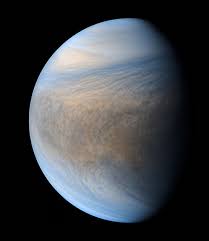
Technically, the full moon, which will be in the constellation Libra, will last only a moment. That will happen at 6:45 a.m. EDT (1145 GMT) on Thursday, May 7, when the side of the moon that faces Earth is fully illuminated by the sun, according to NASA. Skywatchers may also notice the “evening star” planet Venus, which was shining at its brightest of the year just last week, according to Space.com, a Live Science sister site.
 Dispatches From The Front