
Court’s birthright citizenship ruling causes confusion for immigrants | Fast Company

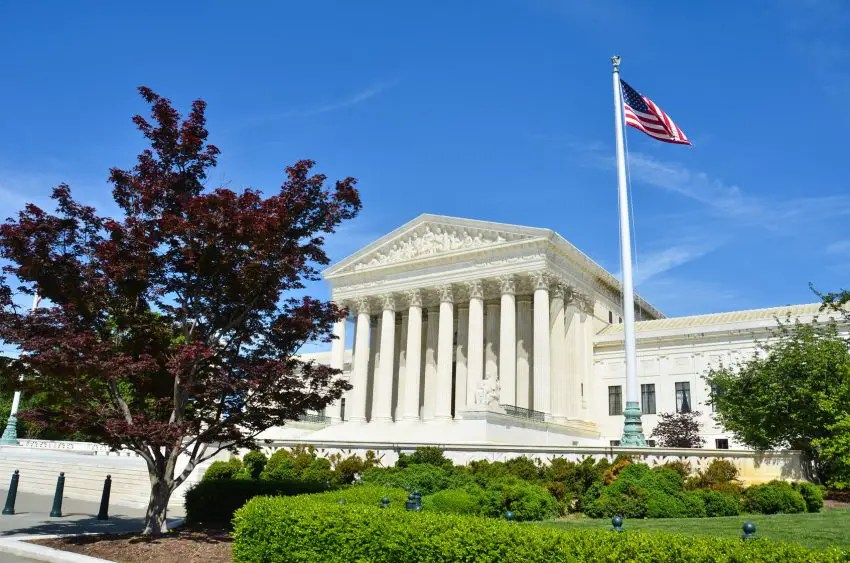
The U.S. Supreme Court’s ruling tied to birthright citizenship prompted confusion and phone calls to lawyers as people who could be affected tried to process a convoluted legal decision with major humanitarian implications.

The court’s conservative majority on Friday granted President Donald Trump his request to curb federal judges’ power but did not decide the legality of his bid to restrict birthright citizenship.

That outcome has raised more questions than answers about a right long understood to be guaranteed under the U.S. Constitution: that anyone born in the United States is considered a citizen at birth, regardless of their parents’ citizenship or legal status.
Read More

Supreme Court Ruling Empowers Small Businesses to Fight Regulatory Overreach | Small Biz Trends

The recent ruling by the U.S. Supreme Court is a significant win for small businesses across the country, affirming their right to challenge government regulations they deem excessively harmful. In a decision handed down on June 20, 2025, the Court reversed a controversial ruling from the D.C. Circuit Court that had imposed stricter standing requirements for indirectly regulated entities when contesting federal actions.

This decision has immediate implications for countless small business owners who may find themselves adversely affected by the regulatory actions of agencies like the Environmental Protection Agency (EPA). The case in question, Diamond Alternative Energy, LLC, et al. v. Environmental Protection Agency, centered around waivers under the Clean Air Act, a potential source of confusion for businesses navigating a complex regulatory landscape.

Read More

Freeze remains on strict new immigration law in Texas | BBC

An appeals court has kept a freeze in place on a Texas immigration law, one of the toughest of its kind, in a case being closely watched across the US.

The legislation would allow officials in Texas to detain and prosecute anyone they think has entered the country illegally, superseding federal powers.

The law briefly came into force on Tuesday for a few hours during a legal back and forth between courts.

A US appeals court heard arguments in the case on Wednesday morning.

The three-judge panel appeared split on whether the law can remain in place while its constitutionality is being challenged in court.

They issued no ruling on the case on Wednesday, and it is unclear when they will do so.

Read More