Here’s what Samsung’s wacky folding phone looks like in action | TechCrunch

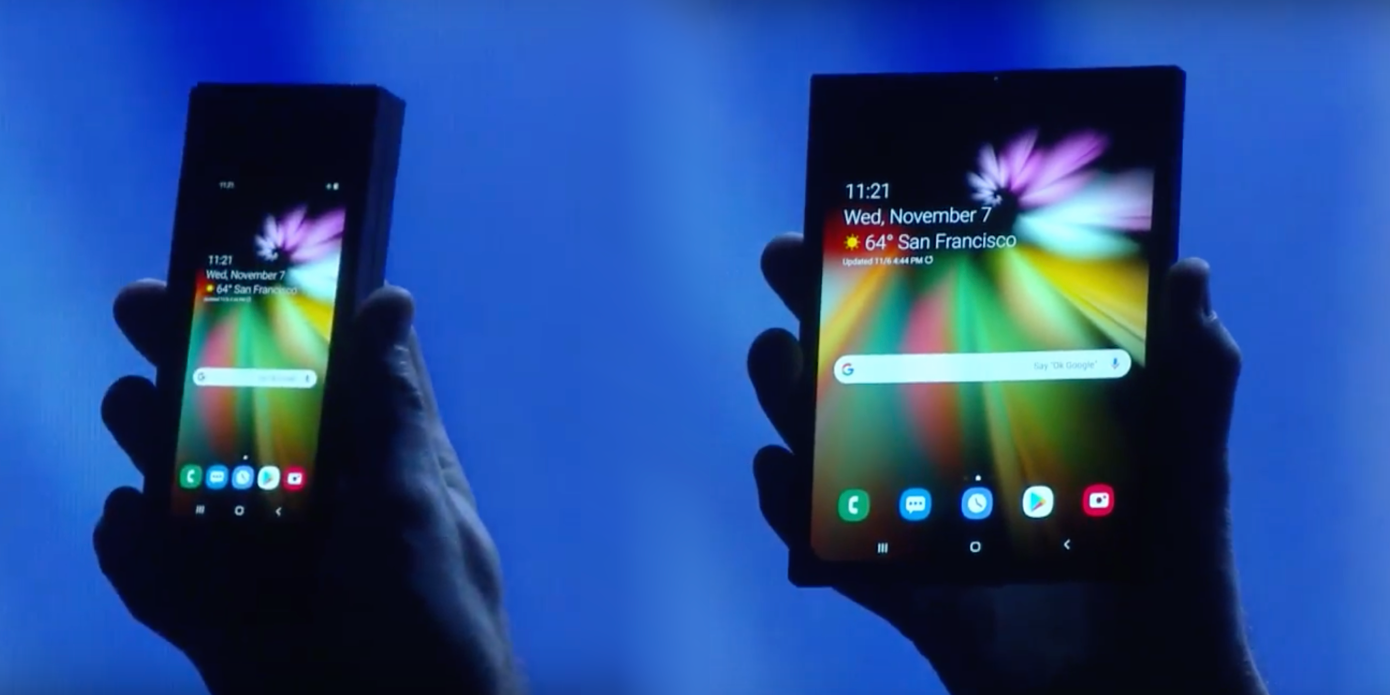
As rumored, Samsung showed off a prototype of a folding display today. Folded, it’s a smartphone. Unfolded, it’s a tablet. Neat!
Less neat: The company sort of went out of its way to not really show very much. A prototype was onstage for about 45 seconds, and it was deliberately backlit to be intensely silhouetted. They “disguised the elements of the design” to keep secret whatever secret sauce they have.

Finding that clip of the prototype folding/unfolding means digging through Samsung’s two-hour developer keynote, so we went ahead and GIF’d it up for you.

Read More

UpLamp Turns Your Smartphone Into a Smart Gesture-Controlled Bedside Lamp | Cool Business Ideas

We use our smartphones for everything. From talking to texting to general surfing, our phones transform our lives into a connected universe of bliss. However, what if our smartphones could transform something as simple as a plastic shell, into a lamp? With UpLamp, the newest design from Product.

UpLamp uses your smartphone’s LED light to light up a plastic shell made of glowing resin, effectively turning your smartphone into a smart lamp. UpLamp comes with a companion app, enabling smart features such as:

Read More

Forget Your Keys? Your Next Car May Be Unlocked With Your Smartphone | NBC News

You might notice something missing if you buy the new 2017 Volvo S90. The car key.

Starting with the launch of the new sedan later this year, the Swedish automaker plans to abandon the car key, except as a special option.

And Volvo isn’t alone. Traditional metal car keys have almost vanished entirely. Ford, for example, offers standard keys on only two new truck models. And they could vanish entirely in the next few years. But Volvo and others may also abandon the smart, wireless keyfobs that have come to take the place of standard keys, as well.

“Mobility needs are evolving, and so are our customers’ expectation to access cars in an uncomplicated way,” said Henrik Green, vice president at Volvo.

Read More

This Smartphone Is Made From Fairly Mined Minerals, And It’s Designed To Last Longer Than Your Contract | Co.Exist

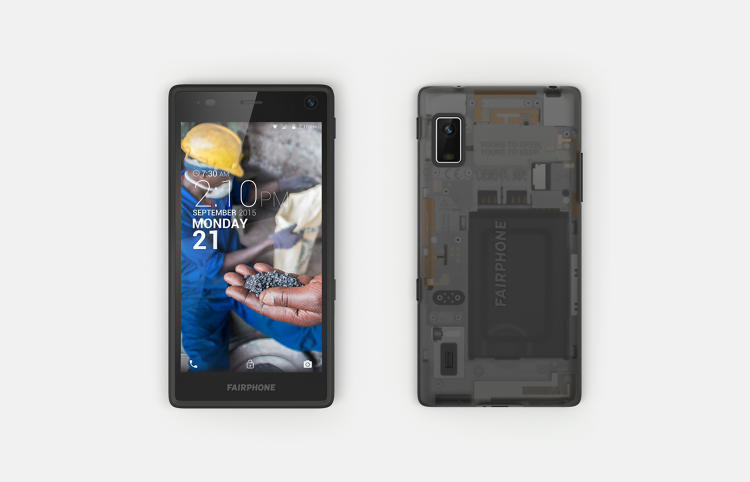
3047535-slide-s-7-this-cellphone-is-made-from-fairly-minedBas van Abel wanted a phone that worked well enough, but avoided the conflict mineral issues and harsh working practices built into mainstream devices. So two years ago, he created the Fairphone, a phone that would be adequate in its functionality but exemplary in its supply chain.

Since we last spoke to him, he seems to have succeeded. The Dutch company has sold 60,000 units and established a string of direct and traceable relationships with mineral suppliers around the world. Now it’s launching a wholly new version, one that considers not only the phone’s pre-life but its longevity and afterlife as well.

As you can imagine, building a phone from scratch isn’t easy, especially when you have ethical expectations. “We had a lot of people expecting us to kind of create world peace at the same time as making a phone,” Van Abel says. “I felt a little bipolar. Sometimes I felt like dying. At other times, I felt on top of the world.”

Read More.

How to Disengage From Your Smartphone Without Disengaging From the Office | Inc.com

email-productivity_37716

Ding. It’s your smartphone alerting you of a new message–probably a message from the office, and you don’t want to touch that. But what if it’s something else? You can’t resist. And when you find out that it is from the office, you feel compelled to respond.

Sounds like a normal weeknight, or even weekend? Dr. Jennifer J. Deal has a cure. The senior research scientist at the Center for Creative Leadership discussed why this is a problem, both for individuals and businesses, in a Wall Street Journal column. She also wrote about potential technology antidotes, which we outline here:

The problem – For employees, it makes perfect sense. “The smartphone makes it seductively simple to answer emails immediately, at all hours,” Deal writes. “And because it’s so easy, people start to worry if they don’t respond to notes quickly all the time.”

But it’s a problem for organizations, too. Bosses exploit it, because why not? “In short, smartphones have gone a long way toward making work a race to the bottom,” she explains. “People’s lives are more tied to work than ever, employee time has been devalued because it’s no longer finite, and inefficiencies have spread uncontrollably throughout organizations.”

Read More.