The winners of the smartphone boom think they know what the next big tech gadget is | CNN Business

The next wave of tech devices may not have a screen. You might not realize that they’re recording you. And you might not even realize they’re tech gadgets at all.

Qualcomm, whose chips power smartphones from major Android device makers, launched a new chip Monday for new products along those lines. The company says it’s seeing growing interest from tech companies in devices that look like pendants, pins, glasses, and other discrete items worn on the body.

Tech companies are racing to predict whether AI’s popularity will result in a new hit product, similar to how the internet laid the foundation for the smartphone. Qualcomm’s chips power millions of devices from companies like Samsung, Motorola, Meta and many others, so its new commitment could be a sort of bellwether for the consumer tech world.

Read More

Samsung’s Vision Pro competitor confirmed for 2025 release | Digital Trends

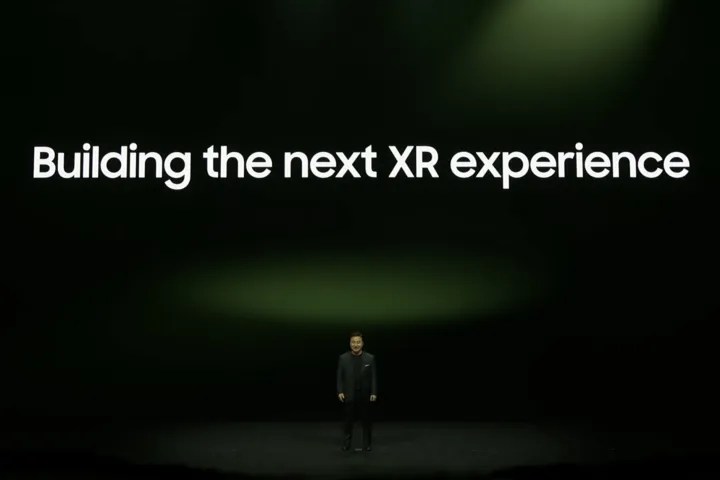
Samsung has confirmed it still has plans to release an XR device that will be available sometime next year.

The company shared tidbits of information about the XR eXtended reality project in its third-quarter 2024 earnings report, updating guidance that previously suggested the brand would release such a product in 2024. Samsung now indicates that its goal for 2025 is to “improve connectivity among products, including upcoming XR devices.”

While the brand didn’t mention specific details about its XR devices in its earnings report, there is already considerable news surrounding the prospective products. Samsung’s collaboration with Qualcomm and Google on a mixed-reality product that can execute AR, VR, and XR functions dates back to 2023.

Read More

Nvidia and Qualcomm join Open Source Robotics Alliance to support ROS development | TechCrunch

The Open Source Robotics Foundation (OSRF) this week announced the launch of the similarly named Open Source Robotics Alliance (OSRA). The new initiative is designed to maintain development for and maintenance of open source robotics projects, with a particular focus on the OSRF’s own robot operating system (ROS).

First released in 2007 by erstwhile Bay Area incubator Willow Garage, ROS has played a foundational role in robotics development for decades. In a show of support, Nvidia and Qualcomm have both signed on as “Platinum” members for the new alliance, along with Alphabet’s X spinout Intrinsic.

“Nvidia develops with ROS 2 to bring accelerated computing and AI to developers, researchers, and commercial applications,” Nvidia VP Gordon Grigor notes in a release tied to the news. “As an inaugural platinum member of OSRA, we will collaborate to advance open-source robotics throughout the ecosystem by aiding development efforts and providing governance and continuity.”

Read More