How regenerative agriculture builds more resilient food systems | Fast Company

PepsiCo knows the future of farming rests with the next generation of farmers. Here, one multigenerational family operation reveals how it uses technology and data-driven insights to build more resilient food systems.

PepsiCo may be known for beverages, but it is also one of the world’s largest food companies. Ensuring a sustainable, resilient supply of agricultural ingredients is a business priority—and transformation starts in the fields. Perry Farms in Southern Alberta, Canada, has grown potatoes for Lay’s for more than four decades. Here, the family farmers demonstrate how they use regenerative practices and technology to strengthen soil health and crop resilience.
Read More

Inside PepsiCo’s digital twin revolution | Fast Company

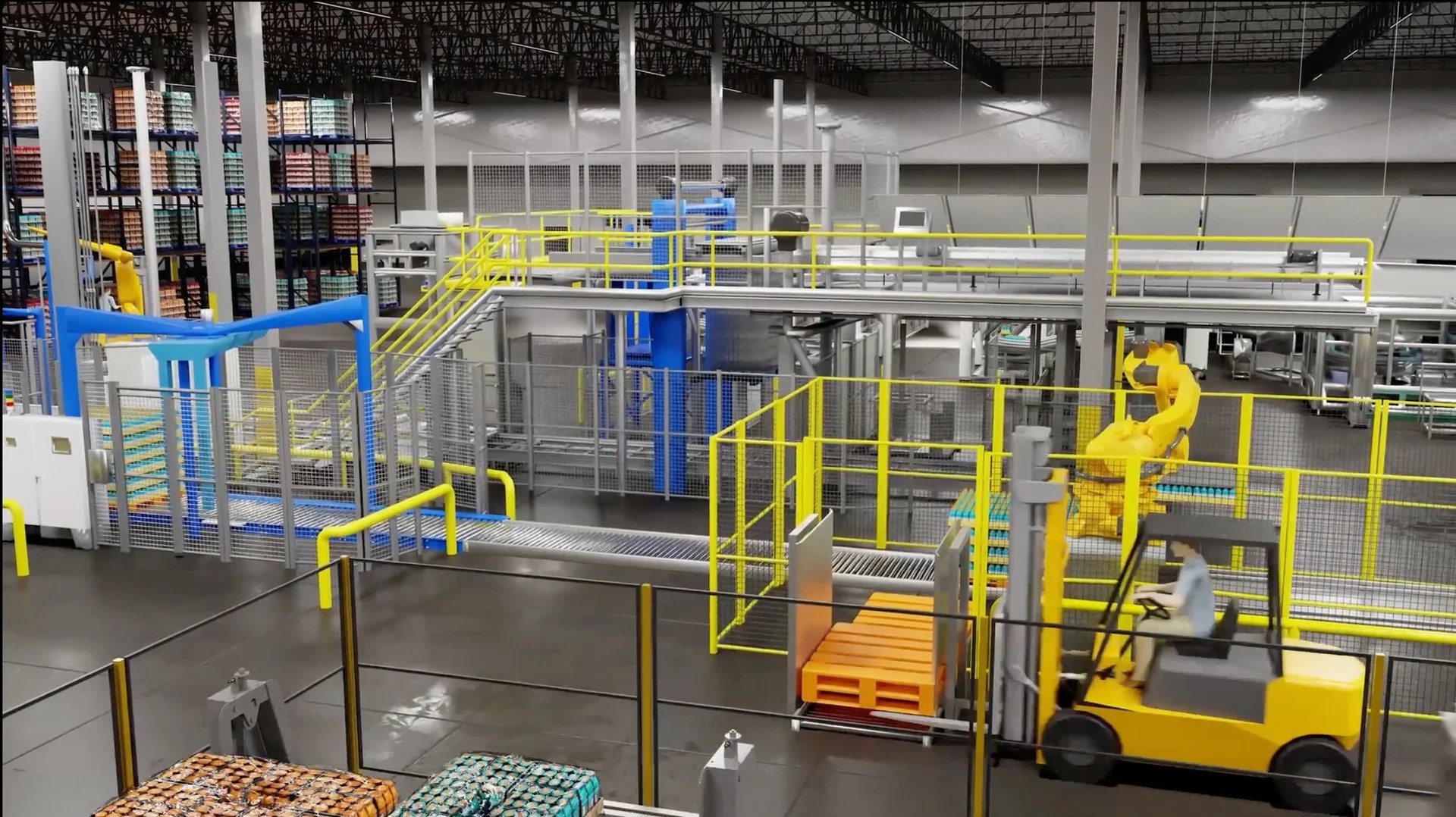
Reconfiguring a factory used to mean shutting it down, making costly bets, and hoping the design worked in the real world. PepsiCo found a way around that. Rather than rely on engineering blueprints to solve the problem, the company used a specialized laser to scan the facility and create a digital representation that was accurate to within a millimeter. It then used this 3D model to simulate the current manufacturing process and identify production bottlenecks. This exercise gave engineers a blank canvas to experiment with new layouts that would help expand and speed up production—all before touching a single machine.

“What you’re trying to do is optimize every part of the space, from the hardware and the software to how people navigate through the space,” says Athina Kanioura, PepsiCo’s CEO, Latin America, and global chief strategy and transformation officer. “We’re taking every data point within the design of the physical infrastructure to create millions and millions of simulations to design the perfect building.” In recent years, artificial intelligence

Read More

Inside PepsiCo’s digital twin revolution | Fast Company

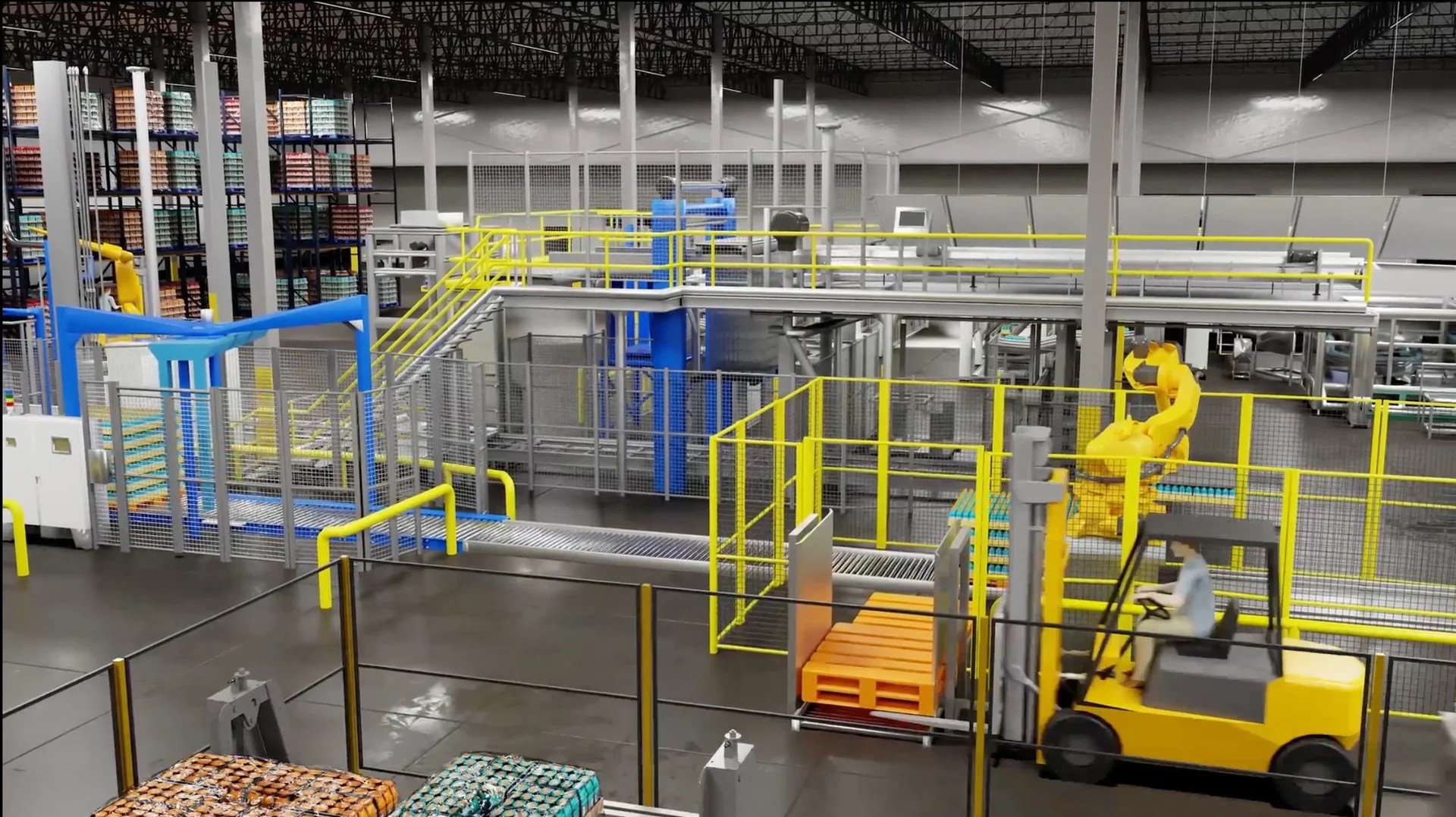
Reconfiguring a factory used to mean shutting it down, making costly bets, and hoping the design worked in the real world. PepsiCo found a way around that. Rather than rely on engineering blueprints to solve the problem, the company used a specialized laser to scan the facility and create a digital representation that was accurate to within a millimeter. It then used this 3D model to simulate the current manufacturing process and identify production bottlenecks. This exercise gave engineers a blank canvas to experiment with new layouts that would help expand and speed up production—all before touching a single machine.

“What you’re trying to do is optimize every part of the space, from the hardware and the software to how people navigate through the space,” says Athina Kanioura, PepsiCo’s CEO, Latin America, and global chief strategy and transformation officer. “We’re taking every data point within the design of the physical infrastructure to create millions and millions of simulations to design the perfect building.”

Read More

PepsiCo sued by New York state for plastic pollution | BBC News

PepsiCo has been sued by New York state for plastic pollution along the Buffalo River that is allegedly contaminating the water and harming wildlife.

According to the lawsuit, PepsiCo is the single largest identifiable contributor to the problem.

PepsiCo’s spokesperson has told the BBC that it has been “transparent in its journey to reduce the use of plastic”. Last week Coca-Cola, Danone, and Nestle were accused of making misleading claims about their plastic bottles. PepsiCo, the maker of Pepsi, Doritos, and other snacks, is the world’s second-biggest food company. It is the latest major corporation to face a lawsuit by local authorities about its impact on the environment.

Read More