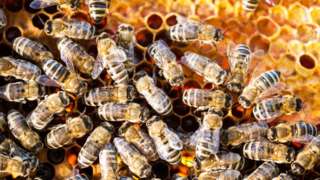
Can tech keep the world’s bees buzzing? | BBC News

The plight of the honey bee is a major cause of concern for the world’s scientists, environmentalists and the food industry, not to mention beekeepers.

Bees play a crucial role in the survival of many of the crops in our food chain – one in three mouthfuls of food depends on the pollinating insects, according to the British Beekeeping Association – but their numbers are significantly declining.

A recent US report said that American beekeepers lost 44.1% of their hives between March 2015 – April 2016 – the highest rate of decline since the annual study began six years ago.

Read More

Beyond Honeybees: Now Wild Bees and Butterflies May Be in Trouble | WIRED

By now you probably know about the plight of America’s honeybees: the collapsed colonies and dying hives, threatening pollination services to crops and the future of a much-beloved insect.

But it’s not just honeybees that are in trouble. Many wild pollinators—thousands of species of bees and butterflies and moths—are also threatened. Their decline would affect not only our food supply, but our landscapes, too. Most honeybees live in commercially managed agricultural colonies; wild pollinators are caretakers of our everyday surroundings.

“Almost 90 percent of the world’s flowering species require insects or other animals for pollination,” said ecologist Laura Burkle of Montana State University. “That’s a lot of plants that need these adorable creatures for reproduction. And if we don’t have those plants, we have a pretty impoverished world.”

Read More.