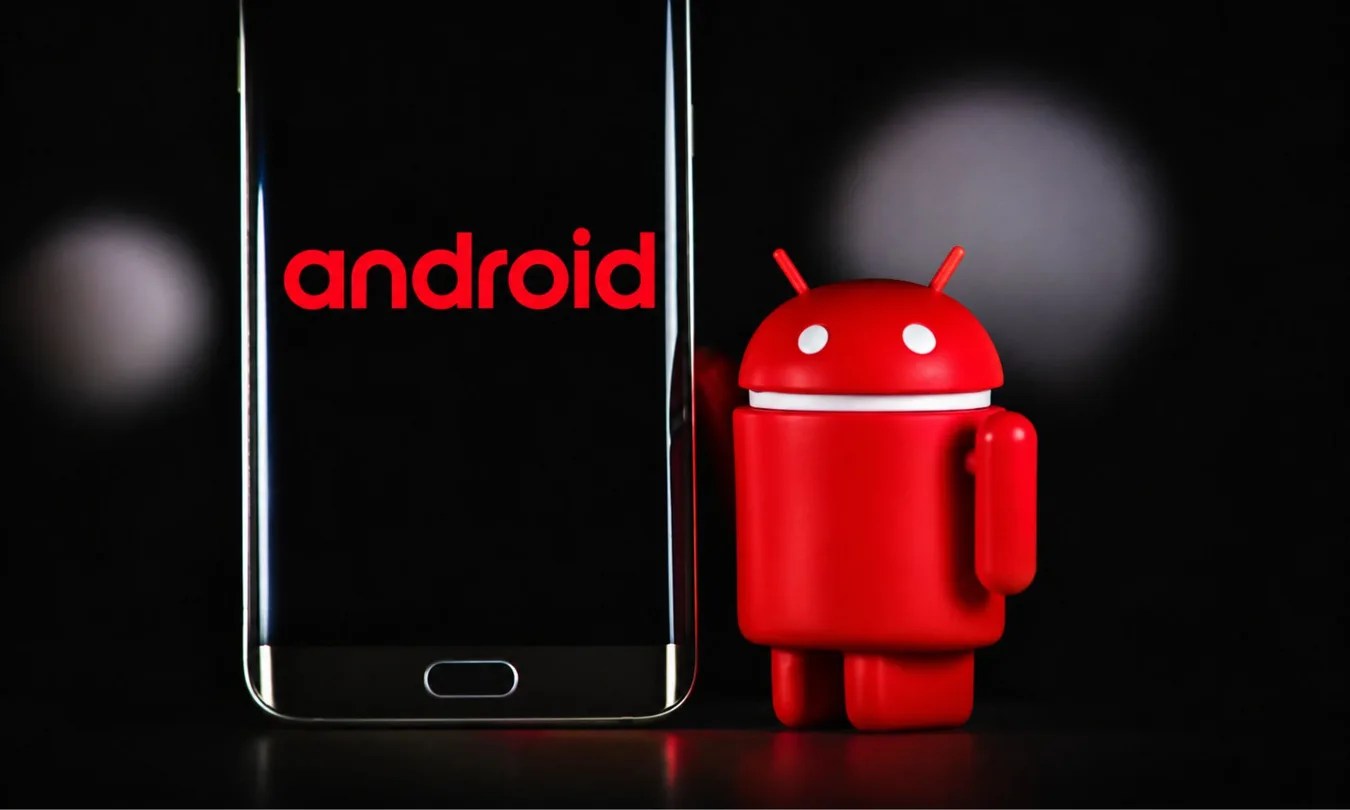
A new Android malware has an AI sidekick and refuses to die when you uninstall it | Digital Trends

[Update] On September 21, Google reached out to us and shared an official response, noting that there are no RatHat-infected apps on the Google Play Store. The statement is below, and the original story follows:

“Based on our current detection, no apps containing this malware are found on Google Play. Android users are automatically protected against known versions of this malware by Google Play Protect, which is on by default on Android devices with Google Play Services.”

I’ve heard people using AI to improve and speed up their work. But this is the first time I’m hearing of malware taking real-time directions from an AI chatbot as it does its bad business.

Thanks to the research team at Zimperium, we know about this new kind of advanced malware. It’s called RatHat, and it uses an AI chatbot to understand what’s on the target device’s screen.
Read More

This Week in Apps: Apple’s App Privacy Report arrives, Google details Android 12 Go edition, Instagram tops 2B users | TechCrunch

Welcome back to This Week in Apps, the weekly TechCrunch series that recaps the latest in mobile OS news, mobile applications and the overall app economy.

The app industry continues to grow, with a record number of downloads and consumer spending across both the iOS and Google Play stores combined in 2021, according to the latest year-end reports. App Annie said global spending across iOS and Google Play is up to $135 billion in 2021, and that figure will likely be higher when its annual report, including third-party app stores in China, is released next year. Consumers also downloaded 10 billion more apps this year than in 2020, reaching nearly 140 billion in new installs, it found.

Read More

Malicious Google Play Apps Stole User Banking Info | WIRED

RESEARCHERS SAID THEY’VE discovered a batch of apps that were downloaded from Google Play more than 300,000 times before the apps were revealed to be banking trojans that surreptitiously siphoned user passwords and two-factor-authentication codes, logged keystrokes, and took screenshots.

The apps—posing as QR scanners, PDF scanners, and cryptocurrency wallets—belonged to four separate Android malware families that were distributed over four months. They used several tricks to sidestep restrictions Google has devised in an attempt to rein in the unending distribution of fraudulent apps in its official marketplace. Those limitations include restricting the use of accessibility services for sight-impaired users to prevent the automatic installation of apps without user consent.

Read More

This Week in Apps: Google Play slashes commissions, Apple sued over scammy apps, YouTube launches a TikTok clone in the US | TechCrunch

Welcome back to This Week in Apps, the weekly TechCrunch series that recaps the latest in mobile OS news, mobile applications and the overall app economy.

The app industry is as hot as ever, with a record 218 billion downloads and $143 billion in global consumer spend in 2020.

Consumers last year also spent 3.5 trillion minutes using apps on Android devices alone. And in the U.S., app usage surged ahead of the time spent watching live TV. Currently, the average American watches 3.7 hours of live TV per day, but now spends four hours per day on their mobile devices.

Read More