Why food firms are scrambling to cut down on ingredients | BBC News

For gluten-free, citrus-free, and tomato-free Kerry Clayton, shopping and cooking is a challenge.

As well as her own food requirements, her 10-year-old son is dairy and wheat-free.

The family shops at multiple stores each week to get the best free-from options, cooks adaptable meals like jacket potatoes and pasta and makes cakes and cookies from scratch.

She spends about an hour a week baking, on top of running two online jewelry businesses and parenting another child.
Read More

Walmart Launches Bettergoods Food Brand With ‘Unique’ Flavors | Entrepreneur

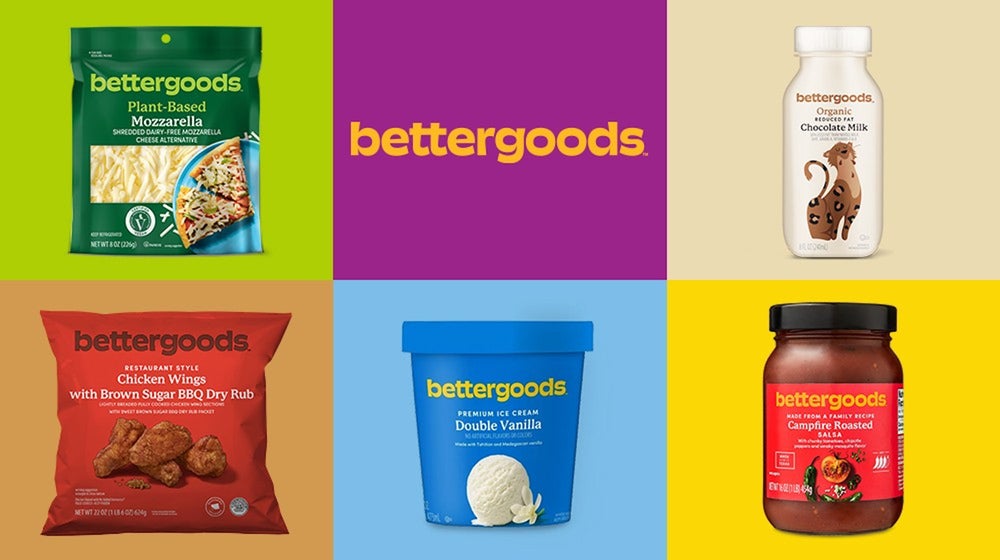
Walmart announced on Tuesday that it is putting a new grocery label on the shelves called Bettergoods — the largest private food brand launched by the retailer in two decades.

The move could help Walmart hold on to higher-income shoppers who have flocked to the retailer in times of higher inflation by filling Walmart’s grocery aisles with 300 new products tailored to vegan, gluten-free, and adventurous dietary choices.

Bettergoods has three focus areas: plant-based goods like $3.44 oat milk ice cream, culinary flair foods like bronze cut pasta for $1.97 or jalapeño chowder for under $4, and “made without” foods, like gluten-free products

Read More

5 Percent of “Gluten-Free” Foods Aren’t. New FDA Rules Start Aug. 5 | Businessweek

At last count, 28 percent of adults said they were gluten-free, or something close to it; the U.S. market for gluten-free foods has grown to more than $4 billion. And yet, as anyone who’s ever wondered whether there’s really gluten in oats can tell you, there hasn’t been an official definition of what, exactly, qualifies a food as gluten-free. Now there is one, courtesy of the Food and Drug Administration.

Starting on Aug. 5, packaged foods will be officially considered gluten-free if they contain fewer than 20 parts of the protein per million per kilogram, an amount that even people with celiac disease can tolerate—and the smallest quantity that can be reliably measured. With all the hype and its inevitable debunking, naturally I was suspicious of some gluten-free claims. But the FDA says 95 percent of food labeled gluten-free meets the criteria.

Read More.