What To Do When a Business Vacation is Over | Small Biz Trends

After a much deserved vacation that is full of fun and joy, returning back to your regular routine can lead to distress.

While almost no one likes going back to work especially after a relaxing and peaceful business vacation, you should face the reality and do your best to adjust and be productive again.

In order to prevent the post-vacation syndrome, you have to do a little bit of planning and accept that the vacation is over so that you can get back to the right mindset.

Below are some helpful tips which will help you to resume your regular routine.

Read More.

Five Rude Emails You Send Every Day | Inc.com

getty_143921954_9706479704500119_60092Even the most likeable and well-mannered among us can still look like jerks in an email. Writing an email that comes across just like you do in person is a fine art.

During a conversation, you adjust your tone, facial expression, gestures and posture in order to fit the mood of what you’re conveying. You do this because people tend to be much more responsive to how you say things than to what you actually say.

Email strips a conversation bare. It’s efficient, but it turns otherwise easy interactions into messy misinterpretations. Without facial expressions and body posture to guide your message, people look at each word you type as an indicator of tone and mood.

Most of the mistakes people make in their emails are completely avoidable. The following list digs into these subtle mistakes and hidden blunders.

Read More.

7 Proven Ways To Write Emails That Get Replies, Backed By Science | Yesware Blog

emailEffective email writing boils down to one thing: Mind reading.

Really.

Sure, we’re all different, but in many instances our brains are prone to react to psychological triggers in a similar manner. Understanding these subtleties can help you hone in on creative ways to persuade others to take a desired course of action, like reply to more of your meticulously written emails.

Here are seven powerful psychological principles that can help you get busy people to respond to your emails, backed by template reply-rate data and examples from Yesware’s own sales team.

Read More.

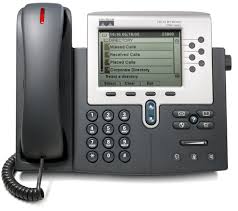
Why a Phone Call Is Better Than an Email Usually | Entrepreneur

imagesThis isn’t going to be about efficiency. Sometimes the phone is a more efficient way to communicate than e-mail, and sometimes it isn’t. If two people leave a dozen messages on each other’s voice mail, that’s a lot less efficient than sending a single e-mail and reading a reply to it.

No, this isn’t going to be about how telephonic communication helps you work faster. This is about how the phone makes you work better. Because unlike e-mail, the phone forces you to be more emphatic, more accurate, more honest.

Read More.

How to Answer Your Most Confusing Emails | Mashable.com

Every now and again, I’ll receive one of those emails that makes me say: “Huh?” My face contorts into an expression of massive confusion, and I’m left not quite sure what to respond. I can tell from the length or the content of the email that a response is needed, but something about the message has made even getting started on a response a huge headache.

For those days where you’re faced with a similar conundrum, here’s my advice: Do not engage the nonsensical email, and throw it back in the other person’s court instead.

To help you out, I’ve compiled my suggested responses to the four most common types of confusing emails I receive.

1. The rambling non-ask

This type of email is the worst offender. Usually quite long, with a lot of detail, the rambling non-ask email is often unstructured — and unclear as to what the sender is really after. You re-read it then re-read it again after you’ve had some coffee, and realize that it’s not your fuzzy brain — it’s some seriously fuzzy communication.

Your response

Thanks so much for your email, [name]. There’s a lot to think about here. In the interest of getting back to you promptly, could you help me understand exactly what you’d like me to assist with?

Read More.