Elon Musk is on track to become the world’s first trillionaire very soon | CNN Business

Elon Musk’s sprawling empire — spanning everything from electric vehicles and social media to space rockets and miniature brain implants — may soon make him the world’s first trillionaire.

Musk’s business success has made him one of the most influential — and controversial — people in the world. The Tesla boss is already the richest person on the planet, with a fortune estimated at nearly $250 billion.

Now, Musk could become the world’s first trillionaire, a milestone that Informa Connect Academy says he’s on track to hit by 2027.

Informa notes that Musk’s net worth has been growing rapidly at an average rate of 110% per year, making him the “clear favorite” to hit the $1 trillion first.

Musk does face competition though.
Read More

Tesla sales fall again as more automakers crowd electric vehicle market | CNN Business

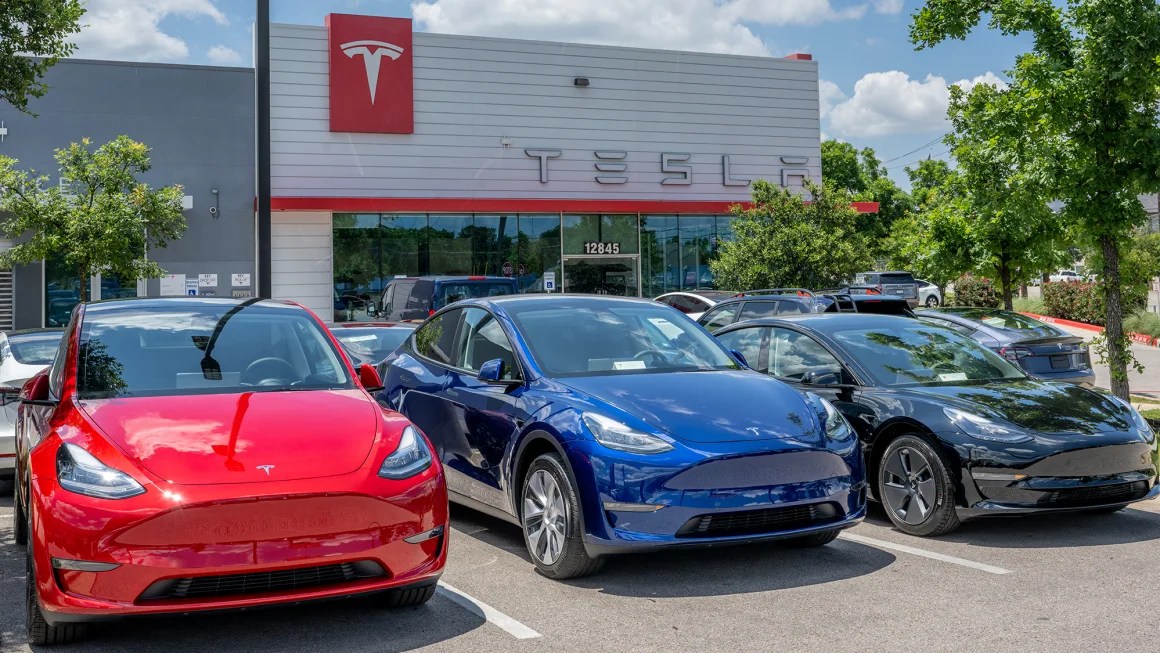
Tesla sales fell for the second straight quarter. It marks the first time in the company’s history that sales declined from the previous year for two quarters in a row.

Tesla’s sales for the quarter came in at nearly 444,000 cars, down about 5% from a year ago. That’s less than the 8.5% drop the company saw in the first quarter. But Tesla, and its share price that has made CEO Elon Musk one of the wealthiest people in the world, has been built on a history of growing auto sales.

The drop in sales demonstrates the increased competition within the market for electric vehicles. While overall sales of EVs continue to grow, the pace of industrywide growth has proved to be less than expected, resulting in investors clamoring for each car sold to be more profitable than before.

Read More

Tesla may be floundering—but Ford’s EV sales tell a different story | Fast Company

Tesla, you may have heard, is going through a rough patch, and the company represents a large enough share of U.S. electric vehicle sales that its problems could lead to a down year for the entire market.

But that hasn’t happened—at least not yet—partly because several other brands’ EV sales have risen to take the sting out of Tesla’s decline.

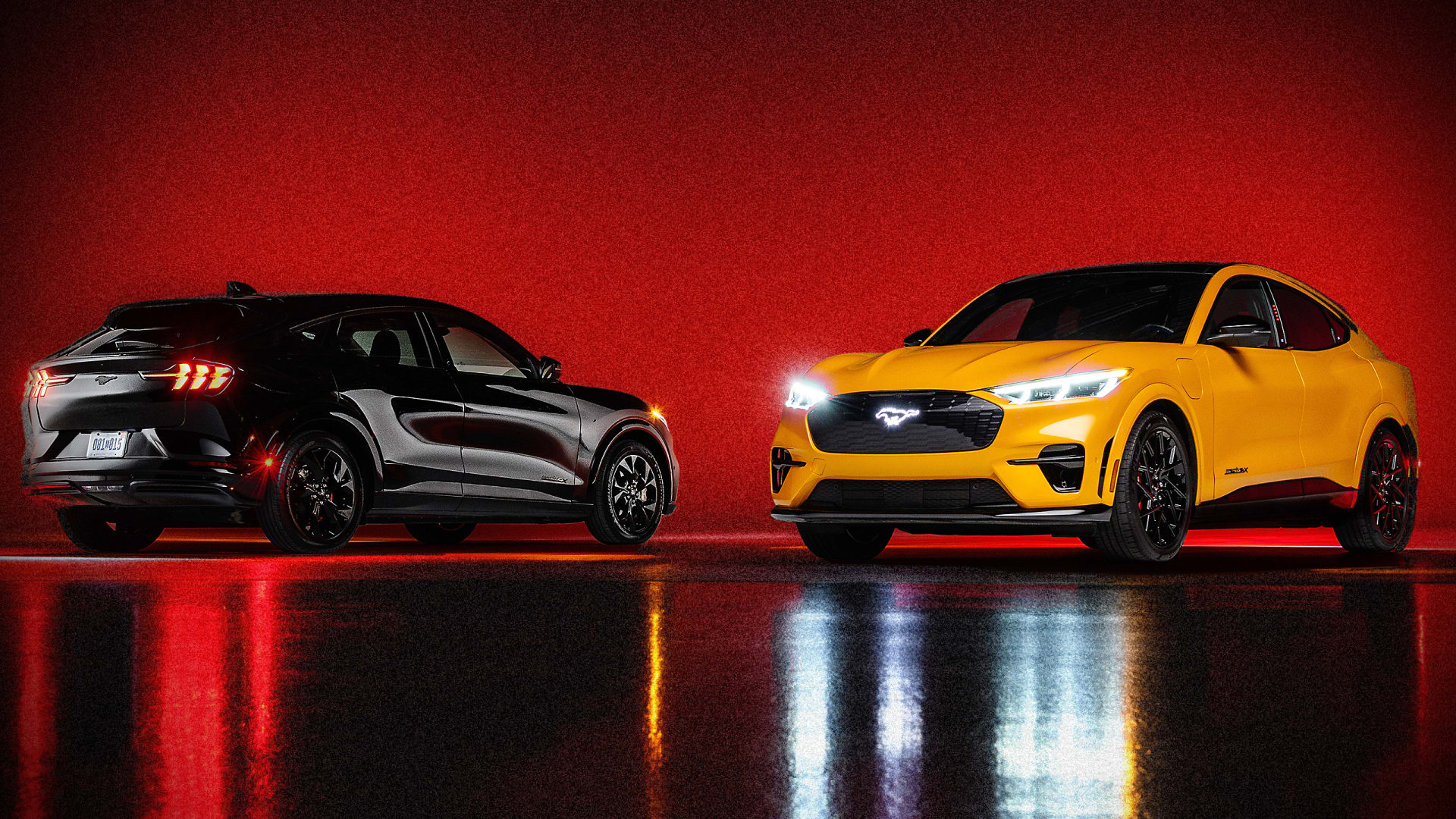
Ford is looking especially good, with year-to-date sales through April of 28,252 EVs, an increase of 97% from the same period last year. That makes Ford the country’s second-leading EV brand, although Tesla still outsells Ford’s EVs at a rate of about seven to one.

Read More

EPA gas car crackdown: Is Biden’s America ready for this many EVs? | Fast Company

The Environmental Protection Agency’s new car-pollution rules, proposed on Wednesday, represent one of President Biden’s most aggressive policies to tackle climate change to date. If enacted, the tailpipe standards would have the effect of making U.S. emissions standards so strict over the next decade that electric vehicle sales would climb radically—from 5.8% of vehicles sold last year, to an estimate of 64% to 67% by 2032. At a press conference Wednesday, EPA Administrator Michael Regan called the regulations “the strongest-ever federal pollution standards for cars and trucks.”

Ultimately, the Biden administration claims it could cut car exhaust in half. The proposed regulations are the latest in a yearslong push to make America’s car industry greener. Early in his presidency, Biden declared: “The future of the auto industry is electric. There’s no turning back.” The EPA’s proposed rule change is evidence that the administration is sticking with that—but transforming America into a country where there are no gas engines in two-thirds of all new cars sold will be a bumpy ride, which requires addressing several challenges of EVs.

Read More

The Psychology of Placing EV Chargers Along Roads Less Traveled | WIRED

GIL TAL LIVES in Davis, California, where winter daytime temperatures are in the mid-50s and annual rainfall is well below the national average. But the Sierra Nevada mountains are two hours away, so Tal made sure his latest car had four-wheel drive. “One day, I will go to the snow,” he says.

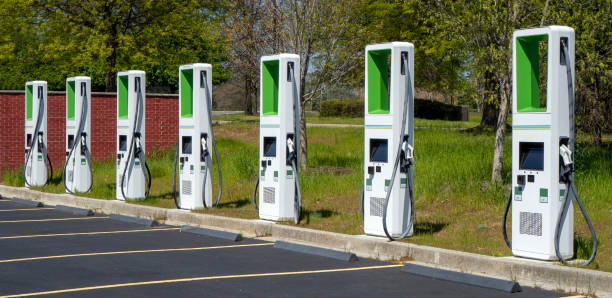
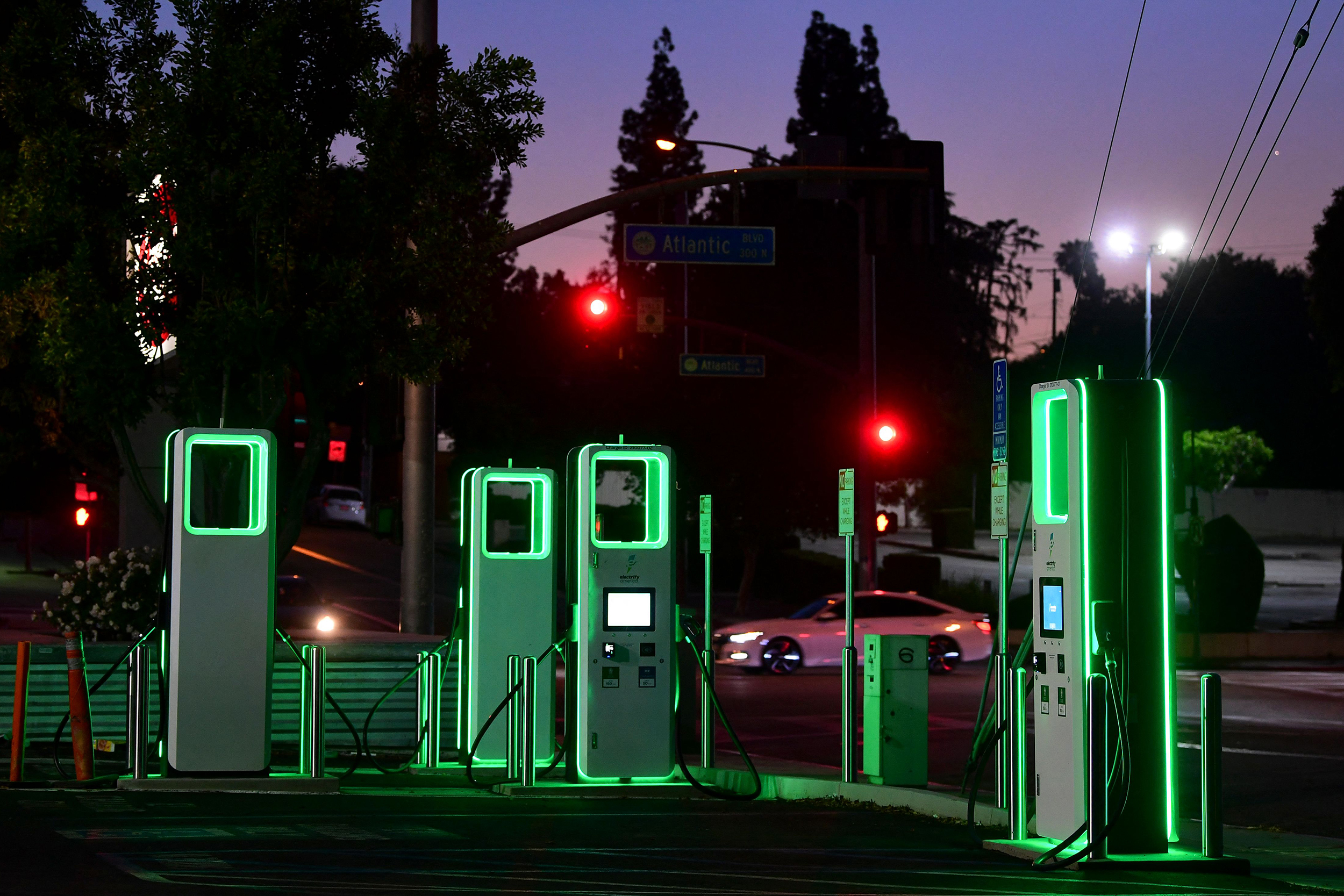
It turns out that’s how Americans think about buying vehicles. They purchase trucks because they might have to haul something one day—or SUVs because, what if every kid wants to bring a friend on a trip? The same goes for electric vehicles, says Tal, director of UC Davis’ Plug-in Hybrid and Electric Vehicle Research Center. Despite leaps in battery technology, which allow some EVs to travel hundreds of miles between charges, surveys suggest that range anxiety still freaks out prospective buyers. Which means, Tal’s survey participants tell him, that people want to know there will be chargers on every possible route, even if “they’re usually not stopping,” he says.

Read More

The US Refuses to Fall in Love With Electric Cars | WIRED

IN DECEMBER 2021, sales of electric vehicles overtook sales of diesel cars for the first time in Europe, as 176,000 EVs rolled out of car dealerships across the continent. At the same time in China, the country’s automotive industry announced that EV sales for the year had ballooned by 158 percent compared with 2020, as more than 3.5 million vehicles took to the roads.

These sales figures were not a blip. In Europe, EVs made up an estimated 14 percent of all new vehicles sold in 2021, according to the banking and financial services company ING. In China, it was 9 percent.

Read More

Ample raises $160M to scale its battery swapping service | TechCrunch

San Francisco-based Ample has raised a $160 million Series C to scale its battery swapping service, the largest round yet for the 8-year-old startup that wants to completely rethink how we use electric vehicles.

Ample’s approach is relatively straightforward: Cars equipped with the company’s modular battery pack can drive into one of Ample’s automated charging pod locations and swap out their depleted batteries for ones that are fully charged. The swapped-out batteries are then recharged in the pod and ready to be reinserted into another vehicle.

Read More

California Gov. Newsom proposes $3.2B in EV investment as part of economic recovery package | TechCrunch

California Governor Gavin Newsom, a vocal proponent of electric vehicles, on Friday debuted a new proposal that would earmark $3.2 billion to boost EV infrastructure and adoption in the state.

“This is a big deal,” Newsom said at a press conference Friday. “The Biden administration’s been talking a lot about this, they’re hoping to do something with the Senate, but we’re doing it. We’re not waiting around.”

Read More