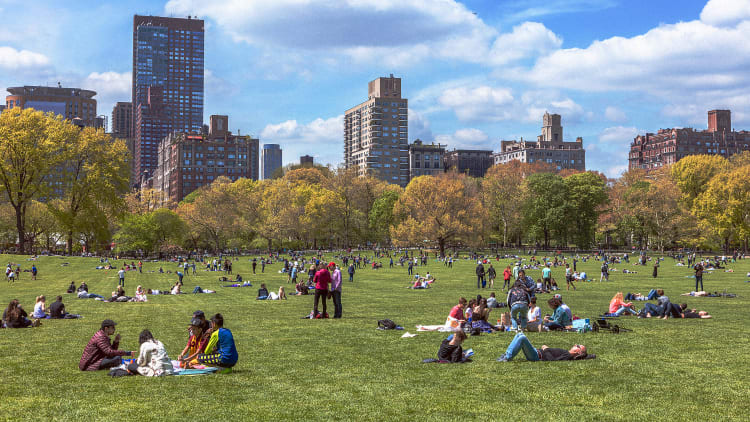
 Minnesota officially just had its warmest winter on record. Some residents probably enjoyed the break from shoveling snow, but many Midwesterners found it ominous to comfortably jog outdoors in late January. It could turn out to be a fluke—just a particularly strong El Niño—or it could be a harbinger of things to come, particularly after the hottest global summer on record. Either way, a professor at MIT wants more people to start thinking about climate change in terms of how it will radically alter seasonality as we know it.
Tag: El Nino
Here’s why scientists keep changing their minds about this year’s potential La Niña | WIRED
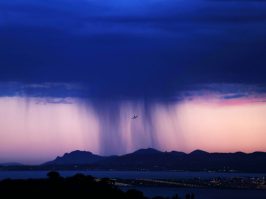 CLIMATE PREDICTIONS—KIND OF like romantic comedies—are full of will they/won’t they suspense. Like this year’s La Niña. In September, the National Weather Service cancelled its months-long lookout for the climate phenomenon—which, as a counterpoint to El Niño, is associated with cooler overall global temperatures. Then, last week, the agency reversed. Its Climate Prediction Center predicted a 70 percent chance of La Niña forming, and folded that prediction into its Winter Weather Outlook. If true, that means the next few months will be warm and dry in the southern half of the US; wet and cool in the north.
Don’t Blame All These Rains and Floods on El Niño | WIRED
 HEY, 2016: PACE yourself, huh? It’s raining in Los Angeles, freezing in Florida, tornado-ing in Texas. And then there’s the floods: houses in Illinois and Missouri up to their roofs in muddy Missouri River water. El Niño is finally here.
Or is it? Or wasn’t it already? No and yes, and yes and no. Scientists have had a pretty good idea since September that El Niño was going to be a monster (they even nicknamed it “Godzilla”). They knew what that meant in general—wet Southwest, warm Northeast. But picking out El Niño’s effect on any particular event is tricky.
Epic Drought in California Unlikely to Ease | Scientific American
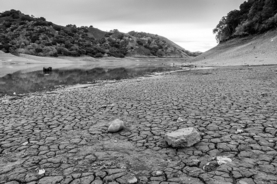
California will remain in the stranglehold of drought at least until September, even as a climate system in the tropical Pacific Ocean that would have brought rainfall to the parched state appears to be weakening, according to the National Oceanic and Atmospheric Administration’s monthly climate update released yesterday.
Weather watchers had been hoping that an El Niño, which occurs when an area of the tropical Pacific Ocean warms by at least 0.5 degrees Celsius above normal, would bring moisture to the West Coast
 Dispatches From The Front