What are ultraprocessed foods? | Live Science

Heart disease, cancer, diabetes — these and other concerning health effects have been tied to “ultraprocessed foods,” which make up more than half of the calories consumed in the U.S. Eating large amounts of these foods, which are high in salt, sugars and additives, may even increase a person’s risk of early death.

There’s growing awareness around the potential harms of these products, but which foods count as “ultraprocessed” is not always clear.

So what, exactly, are ultraprocessed foods?
Read More

LED contact lens treatment may prevent diabetes-related blindness | New Atlas

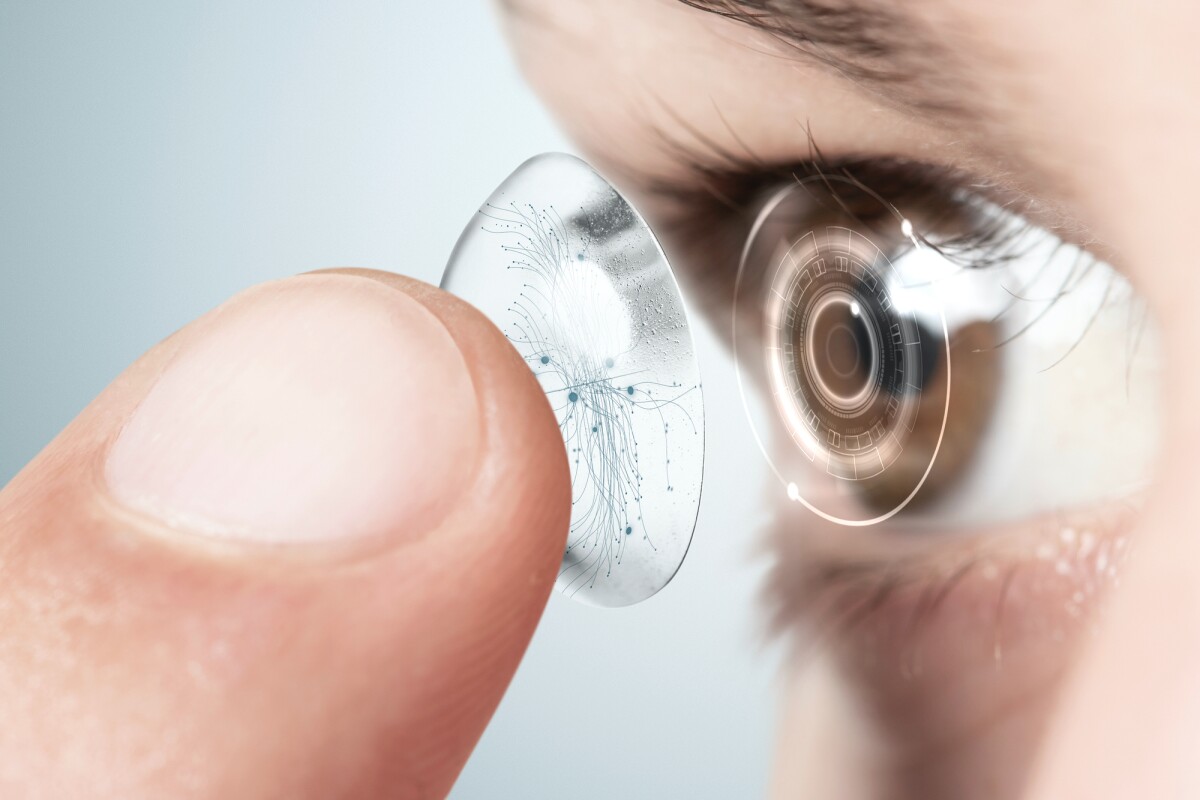
If diabetes progresses too far, it can result in a potentially blinding condition known as retinopathy. And while existing treatments are invasive and often painful, there may be new hope in the form of an LED-equipped contact lens.

Diabetic retinopathy occurs when the disease damages tiny blood vessels in the eye, reducing blood flow to nerve cells in the retina, starving them of oxygen and causing them to die.

The body tries to compensate by growing new blood vessels in the retina, although the diabetes often causes these to be imperfectly formed, resulting in their bleeding and damaging the retina. That damage is repaired via the growth of scar tissue – not new nerve cells – so over time, the patient loses their sight.

Read More

Smartphone cameras can now detect diabetes with 80 percent accuracy | New Atlas

A team from University of California, San Francisco (UCSF) has demonstrated promising potential in using a smartphone camera to diagnose type 2 diabetes. The innovative research demonstrates a technique that needs no additional hardware other than a functional smartphone camera, and currently is more than 80 percent accurate in detecting diabetes.

“Diabetes can be asymptomatic for a long period of time, making it much harder to diagnose,” says lead author on the new study, Robert Avram. “To date, noninvasive and widely-scalable tools to detect diabetes have been lacking, motivating us to develop this algorithm.”

Read More