Why You Should Never Borrow Someone Else’s Charging Cable | Forbes

We’ve all been there. Your smartphone or tablet is low on power and you’ve left your charging cable at home. There’s no harm in borrowing one from a fellow passenger in the airport departure lounge or from your hotel’s front desk clerk, right?

In 2019, that would be a huge mistake, say cybersecurity experts.

“There are certain things in life that you just don’t borrow,” says Charles Henderson, Global Managing Partner and Head of X-Force Red at IBM Security. “If you were on a trip and realized you forgot to pack underwear, you wouldn’t ask all your co-travelers if you could borrow their underwear. You’d go to a store and buy newma underwear.”

Read More

It Takes 191 Days for a Company to Realize There’s Been a Data Breach | Small Business Trends

Cases of unauthorized persons stealing or accessing sensitive small business data like intellectual property, employees’ personal information or even financial records have been rising.

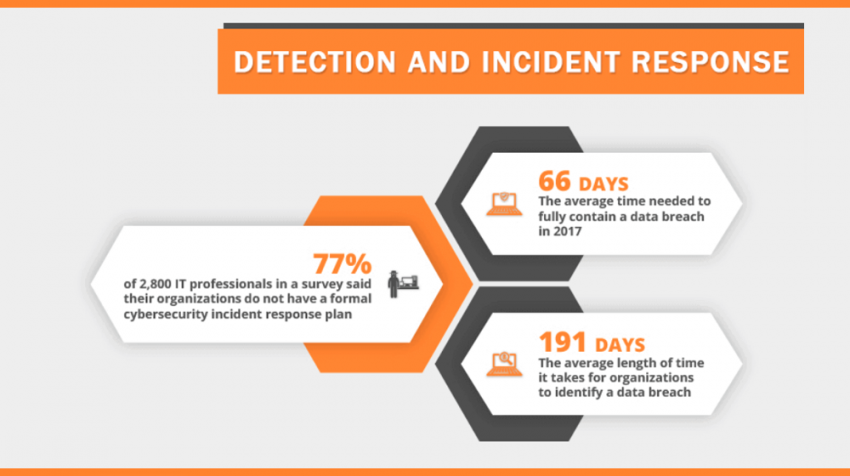
What’s sad is that when a data breach occurs, companies take an average of 191 days to realize it has happened, according to a recent report highlighted by TekMonks, a global enterprise software development and IT services company.

This slow response to cyber-attacks is alarming. It puts small businesses in a precarious position and demonstrates a dire need for cyber-security awareness and preparedness in every business.

Read More

Preventing Cybercrime: It’s About Awareness | The Startup Magazine

Security expert Emma Philpott has said: “There’s a lot of great talk, but most SMEs do nothing about cyber security. It’s shocking.”

The threat of cyber security is one that is very, very real to SME’s. In fact, despite the tales of the large corporations being victims of cyber-attacks – it appears its predominantly small- medium businesses that are being targeted. In 2015 a government report found that 74% of small businesses reported a breach in security.

Small businesses are often guilty of falling into the trap of feeling that they aren’t likely to be targeted due to their size and that hackers or cyber criminals couldn’t possibly be interested in what they do – but in reality, it’s the opposite that is true.

Read More