Walmart’s new threat to CVS: 30-minute prescription deliveries | CNN Business

Walmart, already partially responsible for the slow demise of America’s drug stores, is launching yet another CVS killer: 30-minute prescription delivery.
Walmart’s pitch to costumers is simple – fill your prescription, plus get some groceries delivered to your door, all in one order. Prescription delivery was the number one most-requested service by its customers, the company said in a press release.

“If you’re sick, we can deliver the necessary medicine along with everything else you need to feel better,” said Tom Ward, executive vice president and chief eCommerce officer of Walmart U.S. in a statement on Tuesday.


Read More

Drug store chains pushed out independent pharmacies. Here’s why they’re now closing too | CNN Business

Walgreens said Thursday that it plans to close a “significant” number of its roughly 8,600 stores in the United States. Around 25% of Walgreens’ stores aren’t profitable, and the chain will look to close stores that are right by one another or struggling to hold down theft, CEO Tim Wentworth said in an interview with the Wall Street Journal.

Walgreens and other retailers have been hit by shoplifting and resorted to locking up items or closing high-theft stores since the pandemic, but Walgreens’ problems are much deeper, including competition and failed growth strategies. Walgreens admitted last year it “cried too much” over the business impact of shoplifting.

The latest closures are part of a larger downturn, not just for Walgreens, but for other drug store chains, too, after years of expansion. Walgreens said in 2019 it would close 200 stores and last year announced an additional 150 store closures.

Read More

What CVS buying Target pharmacy means for prices | Business Insider

CVS is buying Target’s pharmacy business for $1.9 billion.

The deal means the discount retailer’s 1,660 pharmacy locations will become CVS-branded units.

CVS’ acquisition could set off a series of similar deals as cost pressures hurt profits at grocery-store pharmacies, Reuters reports.

“Target pharmacies helped drive overall sales at the chain but lost money, as the government healthcare program known as Obamacare expanded ranks of insured and increased pressure on cost,” Reuters writes.

While outsourcing operations to CVS could help the bottom line at companies, it could be bad news for consumers.

Read More.

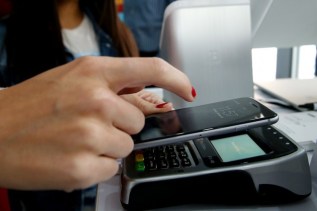
Why Rite Aid and CVS Stopped Taking Apple Pay | Businessweek

The introduction of Apple Pay last Monday was widely described as the dawn of a new era for smartphone payments. But within a week, two major pharmacy chains, Rite Aid RAD and CVS CVS, rejected Apple’s AAPL version of the future: Both disabled Apple Pay as well as other tap-to-pay mobile payments systems Google Wallet and Softcard. As expected, customers took to Twitter to complain, and they almost universally sided with the smartphone company over the drugstores.

CVS hasn’t publicly explained itself. Rite Aid spokeswoman Ashley Flower defended the company in an e-mail to Bloomberg Businessweek. “We are continually evaluating various forms of mobile payment technologies, and are committed to offering convenient, reliable, and secure payment methods that meet the needs of our customers,” she wrote.

Read More.