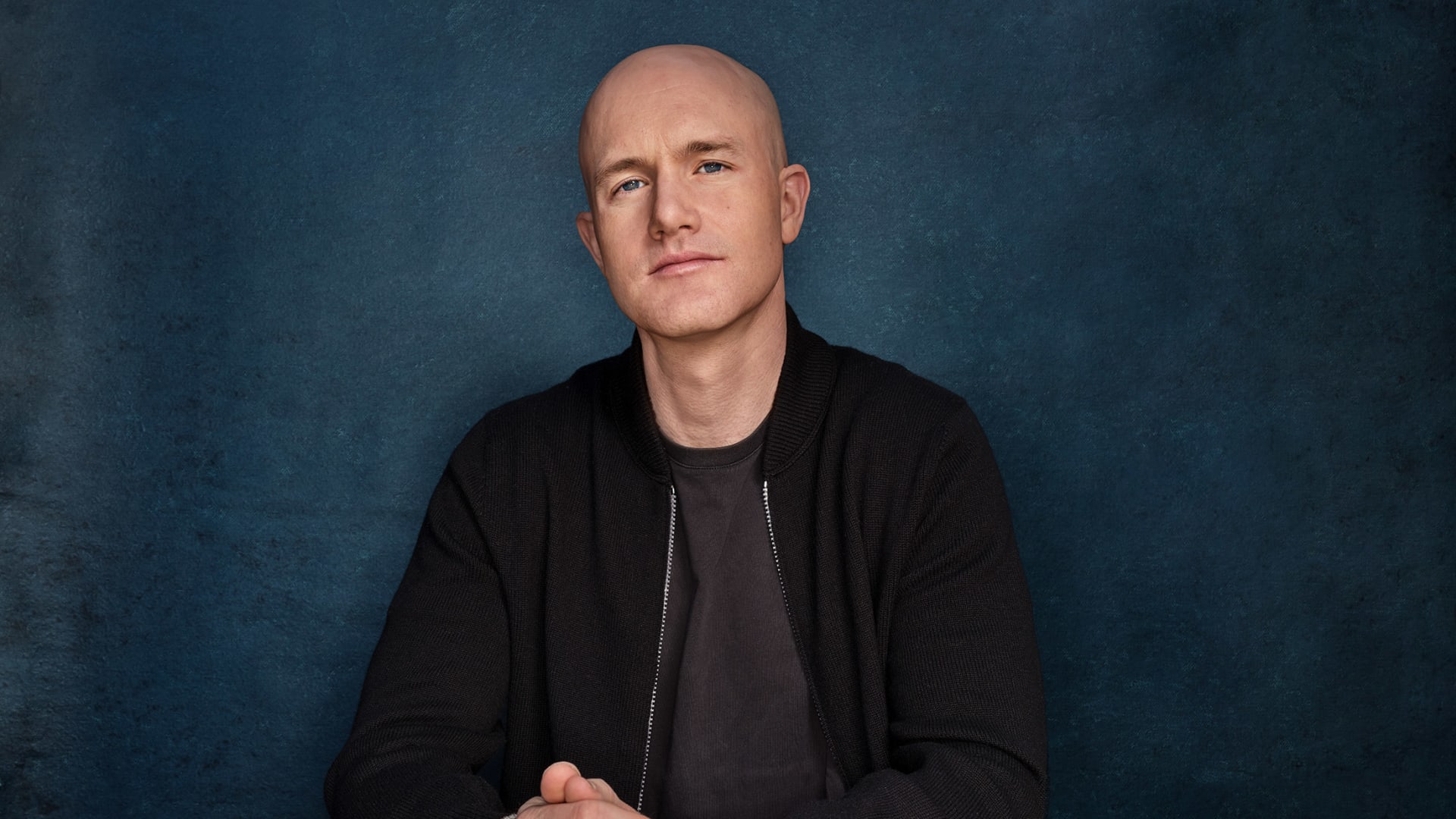
 Brian Armstrong once feared he’d been born too late. As a teenager growing up in the late 1990s, he could play video games and chat and surf on the burgeoning internet. But he was too young to take part in the dot-com startup boom happening all around him, transforming the economy along with how he spent his days and nights. “I didn’t know if something so important would come along in my lifetime again,” he says today. Something did. And Coinbase is the company he co-founded to do something about it. For most of Coinbase’s nearly 10-year history, Bitcoin and its cybercoin kin were not so much investable assets as they were the focus of a philosophical and economic argument. Old, fiat money asked: How can any store of value be based on an algorithm that solves a cryptologic problem tied to something called a blockchain ledger created by a pseudonymous code ninja named Satoshi Nakamoto? Could a hash function really replace cash?
Tag: crypto
How much money can crypto gaming absorb in the near term? | TechCrunch
 Welcome to The TechCrunch Exchange, a weekly startups-and-markets newsletter. It’s inspired by the daily TechCrunch+ column where it gets its name. Want it in your inbox every Saturday? Sign up here.
Hello and happy weekend! Today we’re talking insurtech, SPACs and how well direct listings can manage the IPO pricing question. But first, crypto.
The crypto beat was busy this week, with Coinbase earnings giving us a good look into just how busy trading activity was for the asset class in the third quarter. If you recall Robinhood’s earnings, what Coinbase had on offer won’t prove a surprise. After the American equity investment platform’s crypto revenues fell sharply, Coinbase also posted declines in its aggregate trading volumes and revenues compared to the second quarter of the year.

