Chemical plant fire in Georgia forces 90,000 residents to take shelter | Fast Company

More than 90,000 residents east of Atlanta were told to keep sheltering in place Monday a day after a chemical plant fire sent a massive plume of dark smoke high into the sky that could been seen for miles.

The haze and chemical smell had spread to Atlanta by Monday morning, prompting firefighters to use detectors to check the quality of air in various parts of the city, Mayor Andre Dickens said.

Closer to the source of the fire, officials said chlorine, a harmful irritant, had been detected in the air from the fire at the BioLab plant in Conyers, Georgia, the Rockdale County government said in statement early Monday. The plant is about 25 miles (40 kilometers) southeast of downtown Atlanta.
Read More

How Airports Can Get Rid of TSA Screeners | Bloomberg

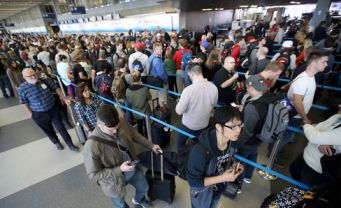
Tens of thousands of travelers standing in interminable security lines this holiday weekend will, at least momentarily, entertain fantasies of revenge against the Transportation Security Administration. Airports could actually do something about the hated agency, and a few are weighing a radical option: firing TSA screeners and hiring private replacements.

The frustration over queue times—which have topped two and three hours at airports in Atlanta, Chicago, Charlotte and Denver—has prompted new attention by airport executives to the TSA’s little-known Screening Partnership Program, in which the federal agency solicits bids for a contractor to handle airport screening. The contractors must follow the same security protocols as federal officers, with similar wages and benefits.

Read More

The 10 U.S. Cities With The Biggest Gap Between Rich And Poor | Co.Exist

In San Francisco, the richest 5% of households rake in an average of $423,000 a year, while the poorest 20% make around $24,000. The income gap between rich and poor is even worse in Atlanta, where the wealthiest people make nearly 20 times more.

As the gap between rich and poor grows in the U.S., it’s worst in big cities. In a Brookings Institution ranking of the most unequal cities in the country, Atlanta and San Francisco topped the list, but others were close behind.

Big cities have more inequality for two reasons, says Alan Berube, deputy director and senior fellow of the Metropolitan Policy Program at Brookings. For one, they contain relatively more subsidized housing and services for the poor. On the other end of the spectrum, most cities are also home to the highest-value jobs in their regions, in sectors like finance, professional services, education, and technology.

Read More