6 Reasons To Set Up A Virtual B2B Event For Your Clients | The Startup Magazine

Virtual events have not always been as essential as they currently are, but many businesses already reaped the benefits of online conferencing long before it started to become the norm. Most people are used to face-to-face meetings, so it’s understandable how making the transition to hosting them online can sometimes be a struggle. B2B events are unique in the opportunities they provide for companies in many different departments. Whether your company is still contemplating the option or has already started making preparations for switching to online events, it’s never too late to discover the advantages of virtual conferencing.

Incorporating virtual B2B events into your business strategy can offer multifold benefits. Nowadays, we face a universal set of circumstances that requires companies to do most of their assignments online.

It was only a few short years ago that online conferencing was considered unique to the technology industry. However, virtual events have found their role across many business sectors, and for good reasons. Keep on reading to discover why it might be a good idea for you, too, to incorporate virtual events into your schedule.

Read More

Zoom bets billions on home working continuing in Five9 deal | BBC News

Video conferencing firm Zoom has struck a multibillion dollar deal to buy a cloud-based call centre operator in a bet on the future of hybrid working.

The firm announced the $14.7bn (£10.7bn) acquisition of Five9 in a blog post on Sunday.

Zoom boss Eric Yuan said the deal would allow its customers to “reimagine the way they do business”.

It marks the firm’s biggest takeover, and comes even though staff are beginning to return to the office.

Investors have been watching for clues as to how the firm would fare as social distancing restrictions lift and more people are vaccinated.

Read More

Ex-FBI Official to CEOs: Your New Job Is Chief Risk Officer | Inc.com

What are you doing tomorrow? Frank Figliuzzi, former assistant director for counterintelligence at the Federal Bureau of Investigation, wants you to block off your morning and plan how you’re going to handle your inevitable cyberattack.

“This is the new robbery. This is the new 7-Eleven convenience-store stick-em-up,” says Figliuzzi. “The time to make a decision is not in the middle of a crisis.” Figliuzzi recently talked about how to protect corporate brands and reputation in the digital age with Gary Sheffer, a professor of public relations at Boston University. They spoke in a webinar by Smart Works Collaborative, an initiative on change and disruption in business from Westport, Connecticut, public relations firm Meryl Moss Media Group. Figliuzzi, author of The FBI Way: Inside the Bureau’s Code of Excellence (Custom House, 2021), offered guidance that business owners and leaders of organizations of all kinds can use to protect against the growing threat of ransomware and other cybersecurity risks, including deep fakes. Here are some takeaways you can put to work today.

Read More

How To Save When Food Costs Go Up | The Simple Dollar

Over the summer, food and household supply prices are expected to rise as much as 15%. According to the average American household budget from the Bureau of Labor Statistics, the combined expense of food, household operations, and housekeeping supplies was $10,505 in 2019. A 15% jump in that number means the average American household is going to get dinged approximately $1,600 a year, or $130 a month, just buying the same food and household supplies they bought before.

Why is this happening? For the most part, it’s an aftereffect of the pandemic. For the last year, demand for a lot of supplies was relatively low, so prices stayed even and a lot of companies trimmed their supply chains. As the world returns to normal, demand is returning to normal and we’re playing catch up.

How should individual households handle this? As always, the best tool in our financial toolbelt for handling short-term financial change is frugality. In this case, since the price increases are happening with food and household supply prices, targeting frugality to those areas is the most effective tool we have.

Read More

How to Stay Under Your 15 GB of Free Storage From Google | WIRED

SIGN UP FOR a Google account, and you get 15GB of cloud storage space for free, split across three main products—Gmail, Google Drive, and Google Photos. Once you exceed that limit, you need to sign up for a Google One storage plan, and they start at $1.99 per month for 100GB of space.

Provided you’re smart about how you use your free storage, and you don’t have masses of files that need storing in the cloud, you can stay inside that free 15GB of allotted room. The steps to take and the tricks to use vary slightly between Gmail, Google Drive, and Google Photos, and we’ve outlined them below. To see how much space you’re using across each Google product, visit this page and sign into your account.

Read More

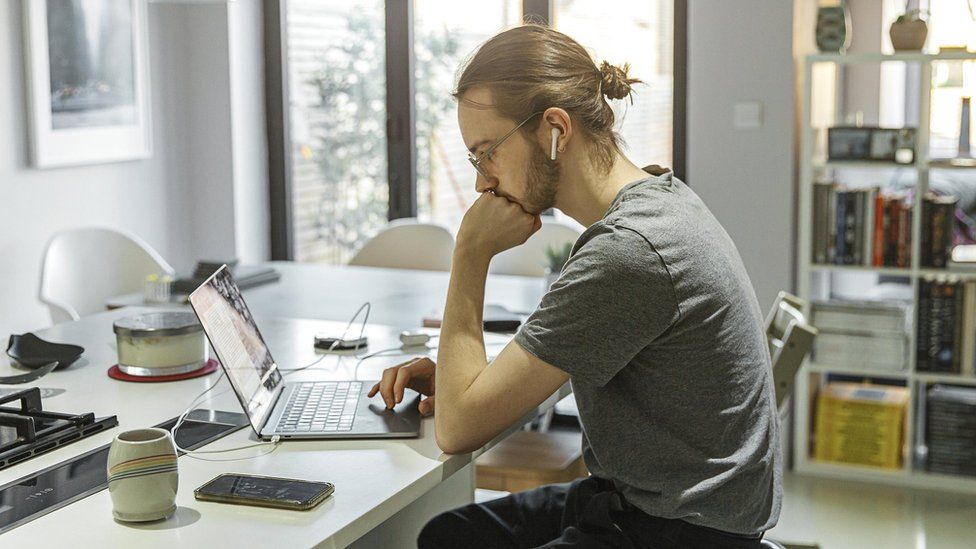
Delegation and Scale: How Remote Work Affected Various Industries | Entrepreneur

A single shift in mindset can make the difference between an average business owner and a successful entrepreneur. While many business owners simply focus on finding solutions, an entrepreneur understands the value of their time and finds the right person to find the solution and implement it.

In the last few years, the concept of decentralization and delegation has played a crucial role in changing the way businesses operate. It has also been significant in promoting remote work in various industries. Now with the impacts of Coronavirus, remote assignment and delegation have become a necessity of the 21st century.

Hence, the transformation from centralized control to delegated and isolated tasks has been accelerated.

Read More

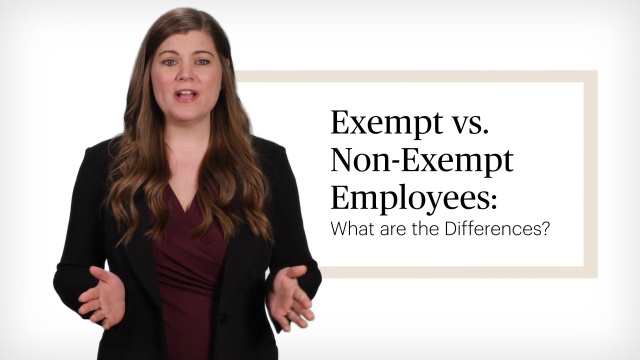
Exempt vs. Nonexempt: What Is the Difference? | Getentrepreneurial.com

Learn the difference between hiring exempt and nonexempt employees.

Business owners need to properly classify their employees as exempt or nonexempt to avoid legal ramifications supported by the Fair Labor Standards Act (FLSA).

Exempt employees must earn a minimum of $455 per week; be paid the same amount of money regardless of hours worked; and perform executive, professional, or administrative duties.

Nonexempt employees have no limitations or requirements for the number of hours they can work each week, but they must receive overtime pay if they work more than 40 hours in one week.

This article is for employers who are trying to make the determination between exempt and nonexempt employees.

Read More

Veki 2 Keeps Cycling Navigation Simple | Cool Business Ideas

While many cyclists use apps such as Google Maps to navigate city streets, glancing down at that cluttered map display can be confusing. The Beeline Velo 2, however, is designed to keep things simple and easy to read.

First of all, as the Velo 2’s name implies, it is not Beeline’s first product. The British company previously released a device that was originally called the Beeline, and is now known as the Velo.

That product was attached to the bike’s handlebar stem, and had a digital compass display that simply showed which direction the cyclist needed to go in order to reach their destination. It also indicated how far away that destination was – as the crow flies – but it did not provide any instructions on how to get there.

Read More

How to turn on and access your App Privacy Report in iOS 15 | Mashable

We’re all aware that our apps are collecting our personal data, but wouldn’t you like to know just how often they’re peeping in?

Apple’s new App Privacy Report, which is set to arrive with iOS 15, creates a summary of all the times your installed apps have collected your data over a seven-day period. This report includes information regarding access to your location, microphone, photos, and contacts. It also displays any third-party domains your apps may be contacting so you know where your data could end up.

The setting is a little hidden away in iOS 15, so if you want to turn the summary option on, follow along with our guide below.

Read More

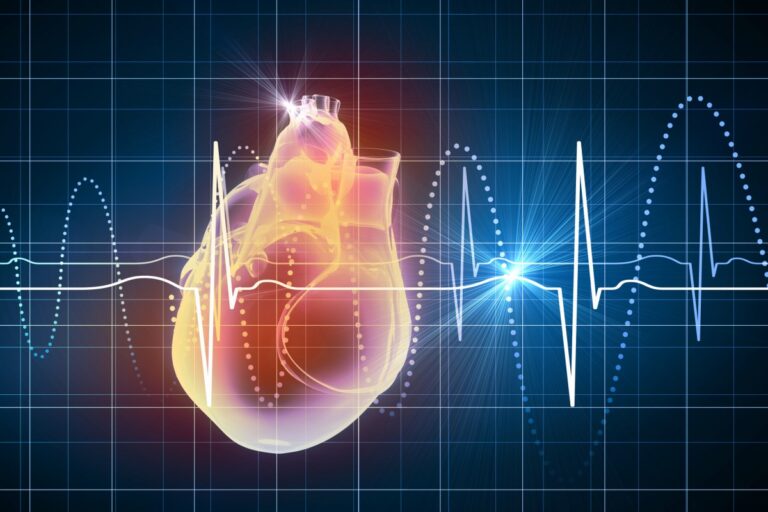
“Graphene camera” images the electric field of a beating heart | New Atlas

Scientists at the University of California, Berkeley, (UC Berkeley) have demonstrated yet another use for the ever-versatile wonder material graphene, using it as the basis for an advanced sensor that can image electrical signals from living cells and tissue in real time. The team’s “graphene camera” was used to record electrical activity of a beating heart in action, and could also open up new sensing capabilities when it comes to the brain.

Graphene is a two-dimensional sheet of carbon measuring just a single atom in thickness, and its incredible list of properties have captured the imagination of scientists from a wide range of research areas. These characteristics include a remarkable thinness, a high thermal and electrical conductivity and a status as the strongest man-made material.

Read More