Australia dock workers call for 28-hour week in AI talks | BBC News

Australian dock workers are demanding a 28-hour work week with no loss of pay as the use of artificial intelligence (AI) and automation expands across the country’s ports.

The AI push is being led by port logistics giant DP World, which the Maritime Union of Australia (MUA) said has put workers’ jobs “in the crosshairs”.

The union said, “If DP World wants AI and automation, then they must pay the social dividend. The new technology doesn’t have to cost our members their jobs or put their livelihoods at risk just so a terminal operator can boost profits.”

Read More

OpenClaw is finally available on Android and iOS | TechCrunch

The automation crustacean is crawling to a mobile device near you.

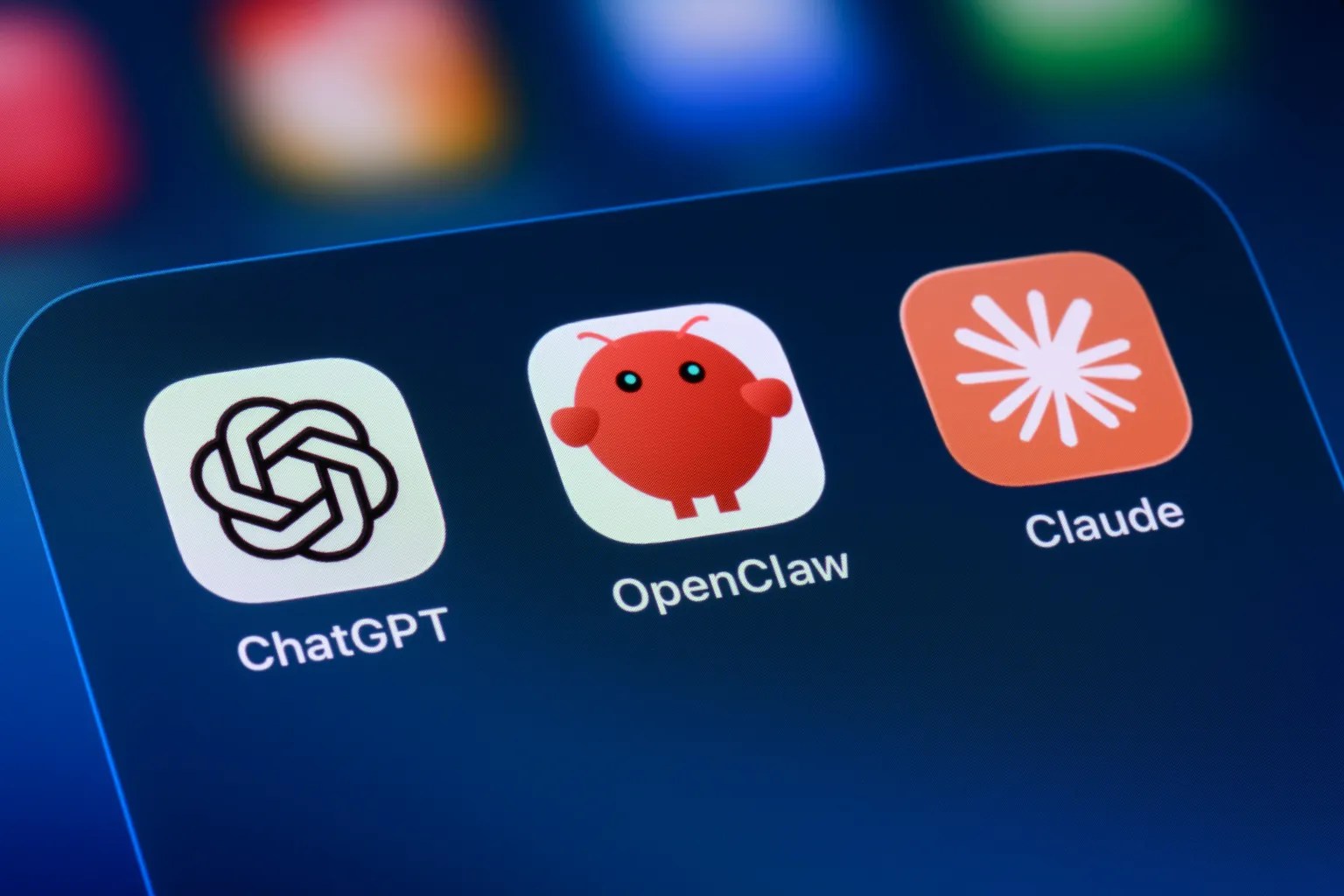
By that I mean, OpenClaw — the free, open source AI agent that captivated the internet earlier this year — is finally available as an app on iOS and Android. OpenClaw announced the news on X on Tuesday.

On both platforms, you can pair your phone with the OpenClaw Gateway, a kind of routing layer that connects your requests to AI agents and the tools and skills those agents draw on to get things done.

Read More

Is AI Use Really Legal? Here’s Why You Need a Governance Plan | Entrepreneur

The first wave of artificial intelligence adoption was driven by speed. Companies wanted faster research, faster drafting, faster customer service, faster sales, faster decisions. In boardrooms and management meetings, AI was presented as a productivity tool, a cost-saving mechanism, and in some cases, a competitive necessity.

That phrase is already giving way to something more serious. The next wave of AI will not be defined only by what companies can automate. It will be defined by what they can explain, defend, and govern.

That is where many businesses are dangerously unprepared. For all the excitement around AI, a basic legal question remains unanswered in many organizations: If an AI system produces a harmful, biased, false, or commercially damaging outcome, who is responsible?

Read More

How the World Cup Is Creating a Beer Boom Across America | Entrepreneur

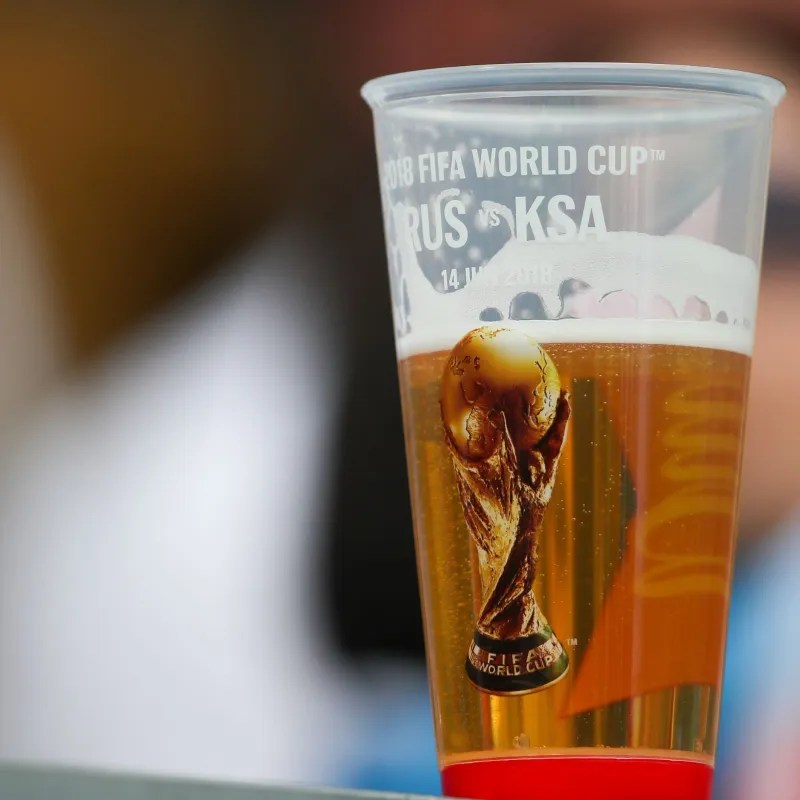
Two weeks of knockout rounds remain in the 2026 World Cup. That’s great news for America’s bars and restaurants in host cities, where beer sales soared 15.4% compared to the same weeks last year, according to Beer Institute. For an industry that has seen volume broadly flat or declining for years, it’s a welcome kick in the shin.

Massachusetts is leading the country, with on-premise beer sales nearly 30% over the first two weeks of play — driven in part by Scotland’s Tartan Army, which descended on Boston in force and nearly drank the city dry. The parent company of Sam Adams said its Boston Taproom sold four times its normal holiday volume in a single weekend, requiring an emergency beer delivery.

So what makes beer score points with World Cup fans? “Beer’s range of options makes it a strong fit for occasions like these,” said Heritage. “There’s a brew for every kind of fan, which is part of why it scales so well during an international event like this.”

Read More

What is quantum computing, and why does Trump care? | Mashable

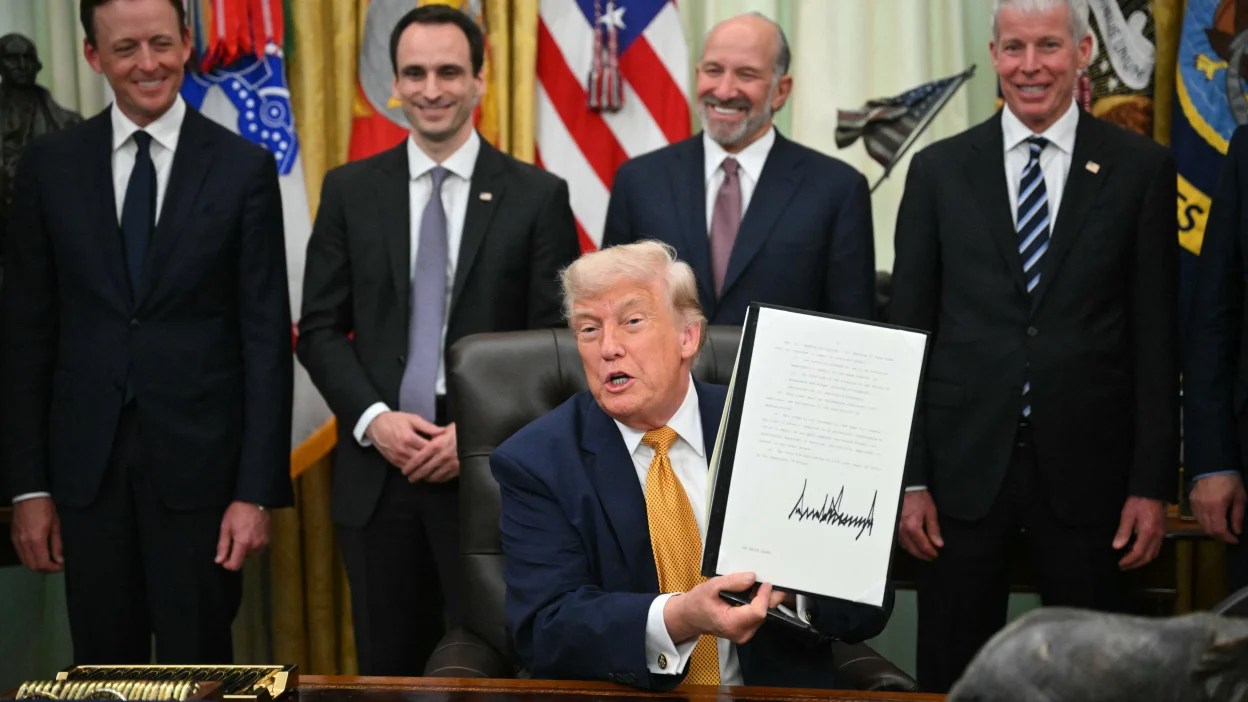
It’s been a week since President Trump signed an executive order directing a whole-of-government push on quantum computing — funding it, securing its supply chains, building its workforce, and making sure adversaries like China don’t get there first.

This marks a significant federal commitment to a technology that is either the next great computing revolution or the most expensive science experiment in history, depending on the expert opinion. But one thing it can do: replace AI as the carrier of long-term hopes for the tech industry. This would be the right moment for a switch, as the vibe shifts on AI itself: models are more expensive to train, returns are harder to demonstrate. Investors who have sent AI stock soaring may soon be looking for the next big thing to believe in.

Read More

More than half of social media child safety features aren’t working as advertised, new research finds | CNN Business

Social media giants have for years touted their growing slate of safety tools and protections as proof that they prioritize young users’ well-being.

But more than half of those protections don’t work as advertised, new research finds.

Researchers at the Cybersafety Research Center tested 86 youth safety features across TikTok, Instagram, Snap, and YouTube and examined whether they worked as described and whether children could realistically find and use them. Only 35 of those features — just over 40% — successfully met both criteria.

Read More

Comcast says it will spin off NBCUniversal | CNN Business

Comcast is positioning itself for the next round of media industry merger and acquisition activity.

That’s what industry analysts are saying about the company’s Monday morning announcement about spinning off NBCUniversal.

Comcast says it is going to spend the next year separating NBCUniversal and a European media arm, Sky, into a new publicly traded company, separate from Comcast’s broadband distribution business.

Read More

SBA and GSA Crack Down on Midlife Reset Mislabeling as ‘Made in America’ | Small Biz Trends

The U.S. Small Business Administration (SBA) recently took decisive action aimed at protecting American manufacturers, significantly benefiting small business owners across the country. Following a directive from President Trump during the White House Small Business Summit, the SBA, in collaboration with the U.S. General Services Administration (GSA), announced the removal of nearly two dozen foreign products fraudulently labeled as “Made in America” from the GSA Advantage! procurement platform.

This initiative tackles the crucial issue of misrepresentation in the federal procurement process, where foreign companies have exploited domestic labeling laws to secure contracts meant for American businesses. For small manufacturers, the impact of this crackdown cannot be overstated.

Read More

SBA Approves $30 Million in Loans to Boost Grocery Affordability | Small Biz Trends

The U.S. Small Business Administration (SBA) has taken a significant step toward revitalizing the nation’s food supply chain by approving 19 loans totaling over $30 million through its newly enhanced Grocery Guarantee program. This initiative, part of the Trump Administration’s broader strategy to reduce grocery prices, is designed to provide essential capital for small businesses involved in food production, processing, distribution, and sales.

“After years of Biden-era price pressures and burdensome regulation that made it harder for farmers, ranchers, and rural small businesses to grow, the Trump Administration is advancing policies that expand production and help make America more affordable,” stated SBA Administrator Kelly Loeffler. This strong endorsement highlights the administration’s commitment to empowering small businesses at the core of America’s food economy.

Read More

PlayStation 6 leaks and rumors: Everything we know about Sony’s next-gen gaming console | Digital Trends

Sony currently has the PlayStation 5 selling well and the PlayStation 5 Pro available for those who want the most powerful console, but what about the PlayStation 6? Initially, the next-generation console was rumored to launch in 2027 (later in the year), but the ongoing memory crisis seems to have pushed the launch further, not just by months, but by years.

As of April 2026, enthusiasts are more concerned about when the PlayStation 6 will actually arrive and how much more it will cost than the already-hiked PlayStation 5 prices, than how powerful it will be or what features it will offer. Even so, there are plenty of rumors surrounding all the aspects, including the latest leaks about a three-tier hardware strategy that includes the PS6 Lite, the PS6 Standard or Pro, and a dedicated handheld.

Read More