US economic growth slows despite consumers spending more | BBC News

Economic growth in the US slowed at the end of last year, as trade and investment declined and the country was hit by hurricanes and labor strikes.

The economy expanded at an annual rate of 2.3% between October and December, down from 3.1% in the three months before, according to the US Commerce Department.

The pace, fuelled by solid growth in consumer spending, was nevertheless weaker than economists had forecast.

The figures come amid heightened uncertainty about the path for the world’s largest economy, as US President Donald Trump calls for a policy shake-up.

Read More

Apple fixes zero-day flaw affecting all devices | TechCrunch

Apple released the latest updates for its iPhone, iPad, and Mac operating systems on Monday, which included switching on Apple Intelligence by default for newer devices.

As part of this batch of software updates, Apple also released several patches fixing security bugs, including a zero-day bug that “may have been actively exploited” — meaning hackers were using it to compromise devices — against users with iPhones running software older than iOS 17.2, which was released in December 2023.

The bug was found in Core Media, the media engine that powers a range of Apple devices, and is now fixed across its product line, including iPhones, iPads, Macs, Apple TVs, Apple Watches, and its mixed-reality headset, Vision Pro. Apple said hackers could have “elevated privileges” by exploiting a memory corruption bug, which would have allowed broader access to a device’s data.

Read More

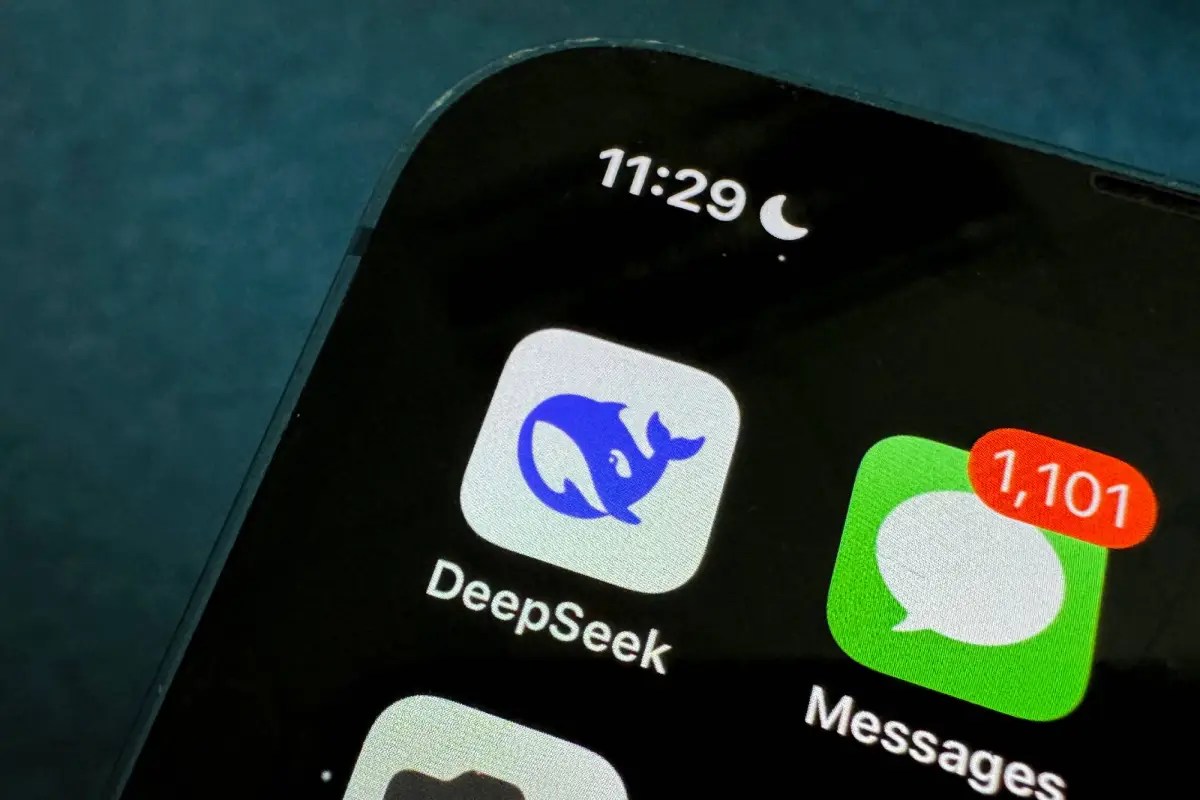
DeepSeek triggered a wild, baseless rally for some Chinese stocks | TechCrunch

Chinese AI company DeepSeek made global headlines for helping spark a massive sell-off in U.S. tech stocks on Monday, with Nvidia dropping almost 20%.

In China, the hype around DeepSeek has sent shares of some public companies with supposed ties to it soaring. The problem: There’s no evidence these companies ever invested in or cooperated with DeepSeek to begin with.

Rumored DeepSeek investors Huajin Capital and Zhejiang Orient popped by 10% on Monday, while a research company called Sublime China Information jumped 20% for supposedly cooperating with DeepSeek on its AI models.

Read More

Uber CEO: Autonomous Vehicles Will Take Over Drivers Soon | Entrepreneur

Rideshare driving was the most-searched side hustle last year, garnering nearly 31,000 monthly Google searches, per a Creative Fabrica study. More than seven million people drive or deliver with Uber alone every month.

However, Uber CEO Dara Khosrowshahi said in an interview on Friday that driving for Uber is only a safe gig for the next decade. After that, autonomous vehicles, or cars that drive themselves, will take over the same routes humans drive today.

“You fast forward 15, 20 years, I think that the autonomous driver is going to be a better driver than the human driver,” Khosrowshahi told the Wall Street Journal’s Joanna Stern at WSJ Journal House Davos. “They will have trained on lifetimes of driving that no person can, they’re not going to be distracted.”

Read More

NASA wants to know how much life it’s venting into space | Mashable

Astronauts will wriggle into their spacesuits next week to swab outside the International Space Station and see if the lab orbiting 250 miles above Earth is releasing microorganisms into space.

The experiment will focus on collecting samples of bacteria and fungi near vents. NASA wants to know whether germs can survive the harsh environment and, if so, how far they travel. The specimens will be frozen and taken back to Earth for analysis.

Despite the U.S. space agency’s stringent spacecraft cleaning process, hardy microscopic lifeforms can’t be totally removed from instruments bound for space. Furthermore, people carry veritable ecosystems of life on their skin and in their bodies when they go to space. Humans can’t help but spread this stuff — a point John Grunsfeld, NASA’s former chief scientist, emphasized in 2015.

Read More

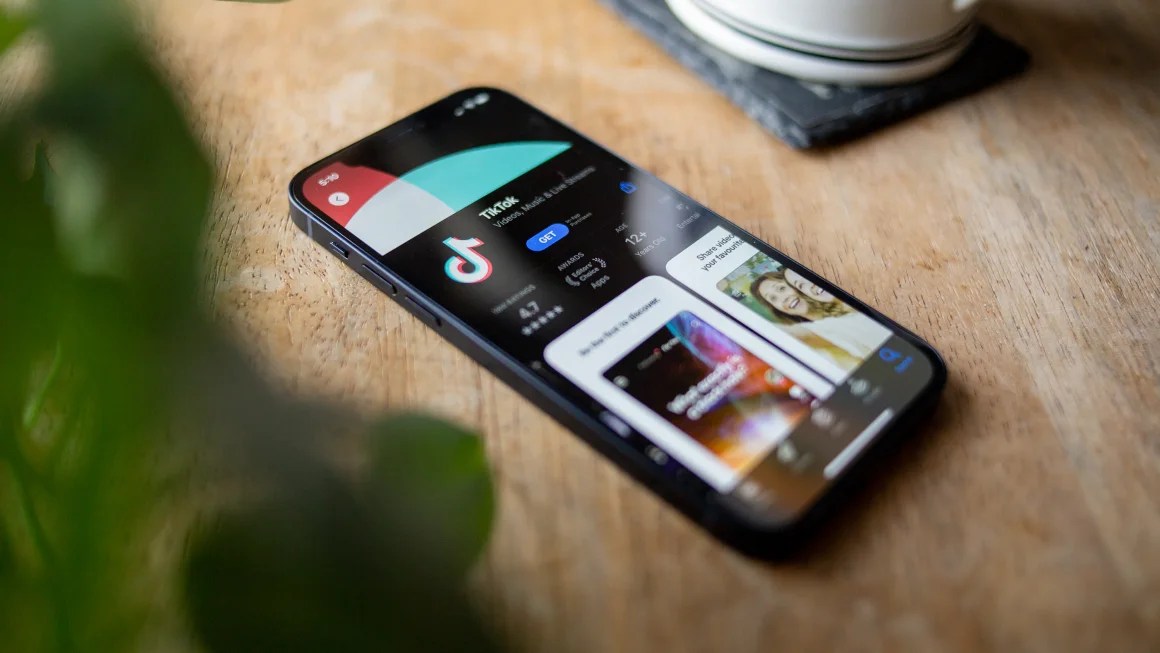
TikTok had an incredibly wild whirlwind of a weekend | CNN Business

The extraordinary developments for one of America’s most popular social media apps over this weekend will be one for the history books. The banning — and unbanning — of TikTok involved actions from a former president, a sitting president and a future president and gripped 170 million Americans who use the app daily.

With just hours to go before a nationwide ban was set to come into effect, TikTok went dark late Saturday. By midday on Sunday it was back online, crediting then-President elect Donald Trump. But its long-term fate in America remains undetermined.

So what on earth happened? Here’s a countdown to the ban – and its unbanning:

Read More

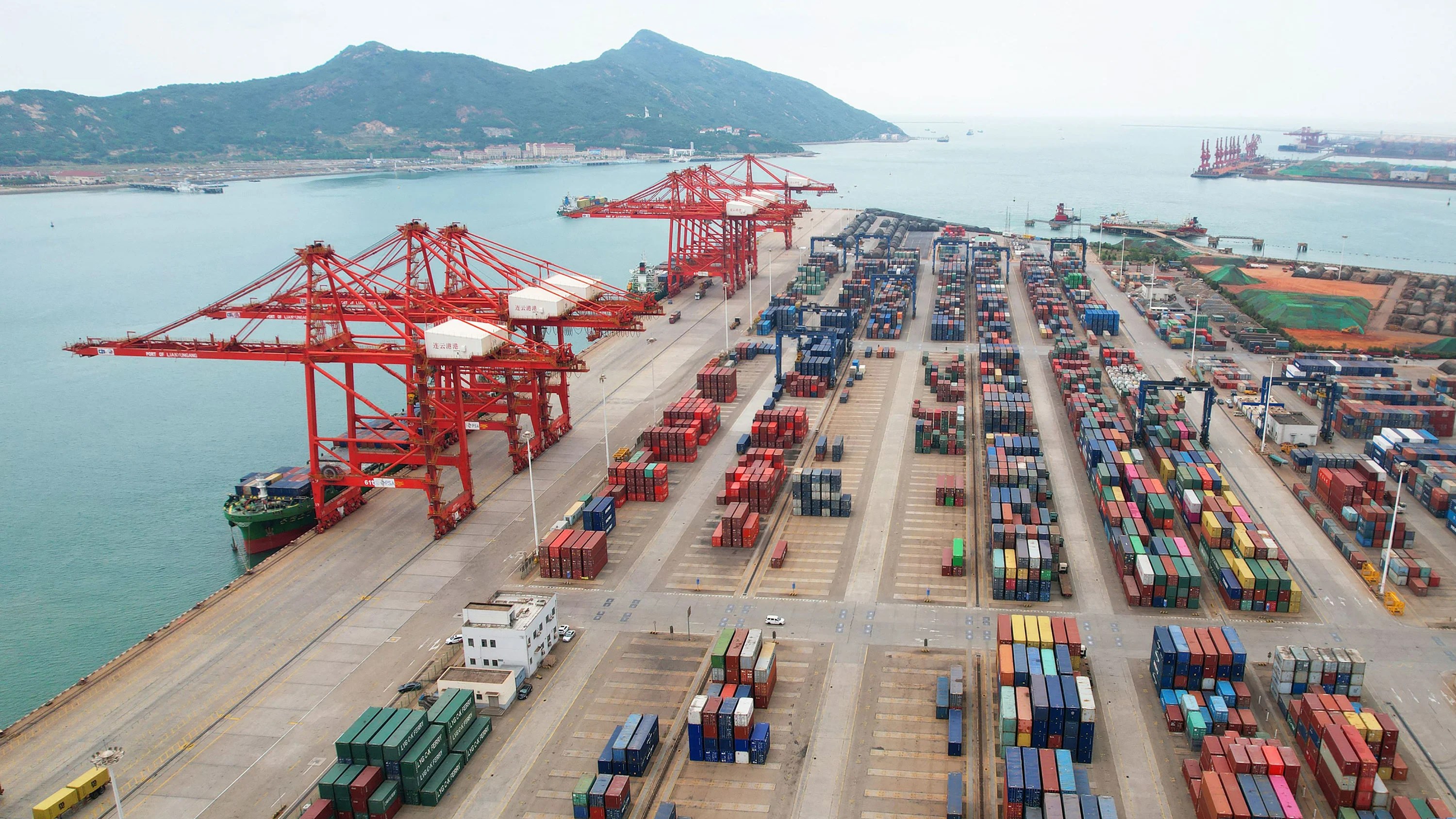
Trump threatens China: More tariffs are coming on Feb. 1 | CNN Business

President Donald Trump on Tuesday warned that even more tariffs could be coming as soon as next week: This time China was his target, as Trump threatened to unleash a wave of higher taxes on imports from America’s second-biggest trading partner.

In an Oval Office press conference that echoed similar off-the-cuff remarks on Monday, Trump said that he is considering a 10% across-the-board tariff on all Chinese goods starting as early as February 1. On Monday, Trump threatened 25% tariffs on Mexico and Canada but deflected on China, noting that former President Joe Biden left in place extensive tariffs that Trump imposed during his first administration.

Read More

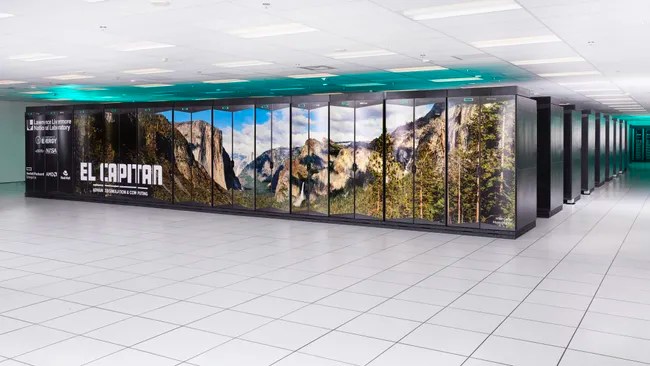
World’s fastest supercomputer ‘El Capitan’ goes online — it will be used to secure the US nuclear stockpile and in other classified research | Live Science

The fastest supercomputer in the world has officially launched at the Lawrence Livermore National Laboratory (LNNL) in California.

The supercomputer, called “El Capitan,” cost $600 million to build and will handle various sensitive and classified tasks including securing the U.S. stockpile of nuclear weapons in the absence of underground testing, according to LNNL representatives. This was prohibited in 1992.

Research will primarily be focused on national security, including material discovery, high-energy-density physics, nuclear data and weapon design, as well as other classified tasks.

Construction on the machine began in May 2023, and it came online in November 2024, before being officially dedicated on Jan. 9.

Read More

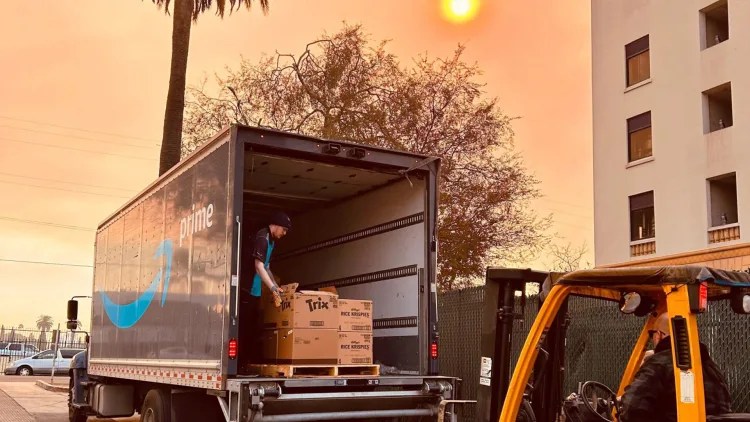
How Amazon is using its massive delivery infrastructure to help L.A. wildfire relief | Fast Company

When a red flag warning was issued in Los Angeles on January 7, a team at Amazon started reaching out to local nonprofits and fire agencies. In a warehouse outside the city—around 60 miles east, in San Bernadino County—the company had opened a wildfire disaster relief hub just months earlier, stocked with free firefighting equipment, from axes to boots to trauma kits.

The hub, which sits inside part of a regular Amazon fulfillment center, is one of 14 disaster hubs that the company now runs around the world, donating all of the supplies and logistics support. The work started in 2017, after conversations with nonprofits about the challenges of logistics in a crisis. “The more we spoke with first responders and nonprofits, we realized that it’s really, really hard to procure the right items at the speed that they’re needed,” says Bettina Stix, director of disaster relief and food security for Amazon Community Impact.

Read More

L.A. fires: Death toll may be in thousands due to wildfire smoke | Fast Company

The death toll from Los Angeles’ catastrophic wildfires has risen to 24 and is expected to increase further. The 16 direct fatalities from the Eaton Fire alone make it California’s fifth-deadliest wildfire, while the Palisades Fire, with eight deaths, ranks as the state’s 14th-deadliest fire.

However, the eventual death toll from the disaster is likely to be far, far, higher, once the health effects from the toxic smoke from the fires are fully realized. Additional deaths can be expected in the coming years because of the large-scale disruption to people’s lives that such a colossal disaster brings about – similar to what has been found in the aftermath of major hurricanes, which have been linked to thousands of indirect deaths up to 15 years after they hit.

Read More