Meet the Inc. 5000 2020: Even In Tough Times, These Companies Are Set on Reinvention | Inc.com

Building a fast-growth business is like charging up Heartbreak Hill. At some point on the incline, founders make the Inc. 5000, our annual ranking of the nation’s fastest-growing private companies, and pause to cry, “Yes!” Then they’re off and running again.

Only this year, the road ahead looks very different. Picture K2, only with more avalanches and less oxygen.

From 2016 to 2019, the Inc. 5000 achieved a median revenue of $10.2 million and a median compound growth rate of 165.3 percent. These founders were buoyed by smarts and gumption, sure, but also by a lift-all-boats economy. That era is worlds away from the economic decline that hit the U.S. alongside the pandemic in March.

Read More

Inside OneTrust, America’s No. 1 Fastest-Growing Company: ‘A Growth Industry Like I’ve Never Seen’ | Inc.com

“There’s a lot that goes on behind the cookie banner,” says Kabir Barday, the founder and CEO of OneTrust. He’s talking about that now-ubiquitous pop-up on websites that lets you know the site is collecting data on your visits and activity in order to personalize your experience–or sell your information to third parties. The cookie banner is perhaps the most visibly identifiable sign of his company’s software, but the real work is the invisible machinery churning away behind that banner.

Read More

Tesla announces 5 for 1 share split, rallies 8% | TechCrunch

Today after the close of regular trading Tesla, a well-known American electric vehicle company, announced that it intends to split its shares 5 for 1. The split announcement comes after a sharp rally in the value of Tesla equity in recent quarters.

The company’s shares quickly rallied on the news, picking up 8% in after-hours trading.

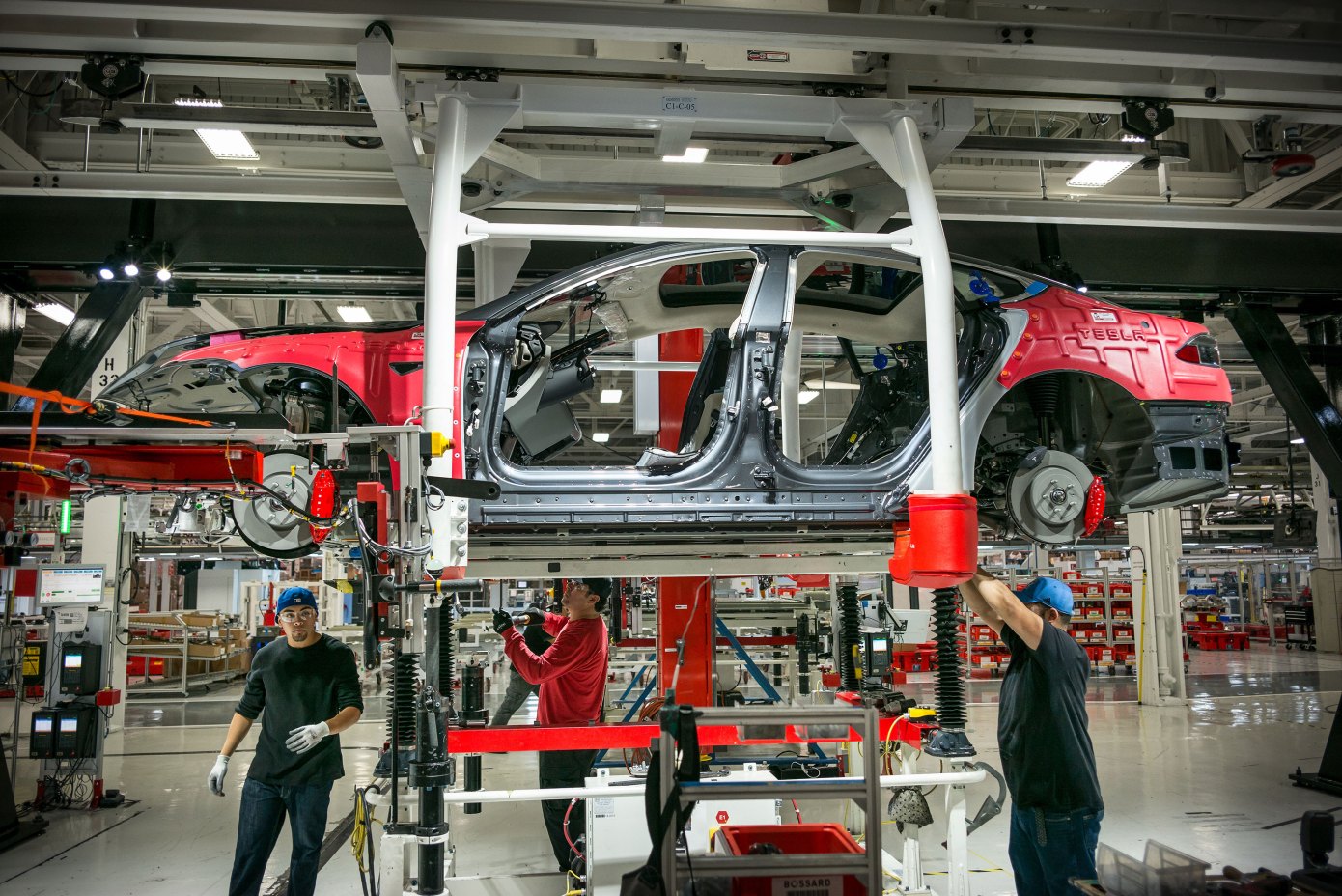
Tesla, ever a controversial company, traded for as little as $211 in the last year. After today’s news the company is now worth $1,485 per share. Worth comfortably more than $250 billion, Tesla is amongst the world’s most valuable companies, let alone among the most valuable automakers.

Read More

Daily Crunch: Android phones become earthquake detectors | TechCrunch

Google said that smartphone accelerometers are sensitive enough to detect P-waves, which are the first waves to arrive during an earthquake. So if your Android phone thinks it has detected an earthquake, it will communicate with a central server to confirm.

In California, Google is also partnering with the United States Geological Survey and California Governor’s Office of Emergency Services to provide earthquake alerts. For everyone else, you’ll only see this earthquake data if you search for “earthquake” or a similar term.

Read More

Volta Zero electric truck to feature panels made of woven flax | New Atlas

The continuing rise of global carbon emissions has brought with it a rise in sustainable transport solutions, but the Volta Zero truck is one that takes this ethos further than most. In addition to an all-electric drivetrain, the truck will feature panels made from sustainable natural composites and is pitched as a holistically green way for logistics companies to deliver goods around cities.

With the Volta Zero, Volta Trucks hopes to offer a cleaner means of completing freight deliveries in urban settings. The 16-tonne truck features an all-electric drivetrain that draws power from a 160-200-kWh battery pack, which makes for a range of up to 200 km (125 mi) and a top speed of 90 km/h (56 mph).

Read More

How a TikTok ban could work, and what it means for your content | Mashable

President Donald Trump casually dropped Friday that he would “ban” TikTok. That added heft to earlier statements made by Secretary of State Mike Pompeo that the administration was considering a ban.

But how would a ban on an app that’s already been downloaded by 165 million Americans, and that anyone can currently download from Apple and Google app stores, actually work?

Read More

What to expect from Samsung’s Galaxy Unpacked 2020 event | Mashable

The world may be at something of a standstill thanks to COVID-19, but Samsung is still out here making flagship phones and, uh, other things. As such, we have another Galaxy Unpacked event to look forward to this week.

Samsung previously announced that its next Galaxy Unpacked would be online-only for obvious reasons. The event will stream on Samsung’s website at 10 a.m. ET on Aug. 5. In a blog post, Samsung revealed it would announce five new devices at the event. Since the new Galaxy Z Flip 5G has been officially confirmed, we can probably strike that one off the long list.

Thanks to a litany of leaks (what else is new?), we have a pretty good idea of what we’ll be seeing at Galaxy Unpacked. Get ready to see the word “Galaxy” way too many times.

Read More

Chipotle is using its avocado pits to dye clothes for its new clothing line | CNN

Chipotle wants its customers to eat — and wear — its avocados.

The company announced a new “responsibly sourced” clothing and goods line Monday, and all of the T-shirts, sweatshirts and tote bags will be dyed with the food chain’s used avocado pits that would otherwise go to waste.

After using avocados to make guacamole, Chipotle is left with nearly 300 million avocado pits that go to waste in its restaurants every year. Each item in the clothing and goods line will require five avocado pits, which is roughly equivalent to five orders of guacamole, according to the press release.

Read More

Sprint, one of America’s most storied brands, is no more | CNN

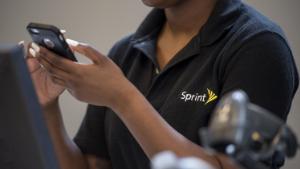
Sprint was a storied American brand, but it is no longer. T-Mobile, which closed its $30 billion merger with the wireless carrier in April, officially retired the Sprint brand Monday.

“I want to acknowledge the Sprint history and its 120-year legacy that is now part of our legacy as we launch into this new era,” said T-Mobile CEO Mike Sievert in a statement, adding, “We did it! Another historic day for new T-Mobile!”

The long-awaited merger means the end of Sprint’s long corporate history, but it also puts a capstone on several bruising decades of failed bets and teetering on the brink of bankruptcy.

Read More

Signal’s pin feature shows why putting privacy first is hard | Fast Company

Signal has become the privacy-focused consumer’s go-to messaging app. But a recent change to its back-end systems that was designed to make the app more accessible and competitive with other encrypted messaging services could be putting user data at risk.

At the core of Signal’s appeal is a level of digital protection and commercial disinterest in its users’ communications rarely seen by messaging service providers. Signal is now used broadly not just by hackers and professional paranoids, but activists, journalists, politicians, and any number of people who believe that their text messages and phone calls should be as private as an in-person conversation. Few other apps offer a similar level of security and privacy.

Read More