Heck, might as well put the back of your phone to work | TechCrunch

The back of your phone is useless. There. I said it. Sure, the cameras are back that, but what about all of that blank real estate monopolizing 90% of the surface area? Honestly, it needs to start carry its weight around here. A fully functioning screen isn’t the answer, however. That’s a lot more battery drain, a thicker design, and a much higher price tag – for what, exactly?
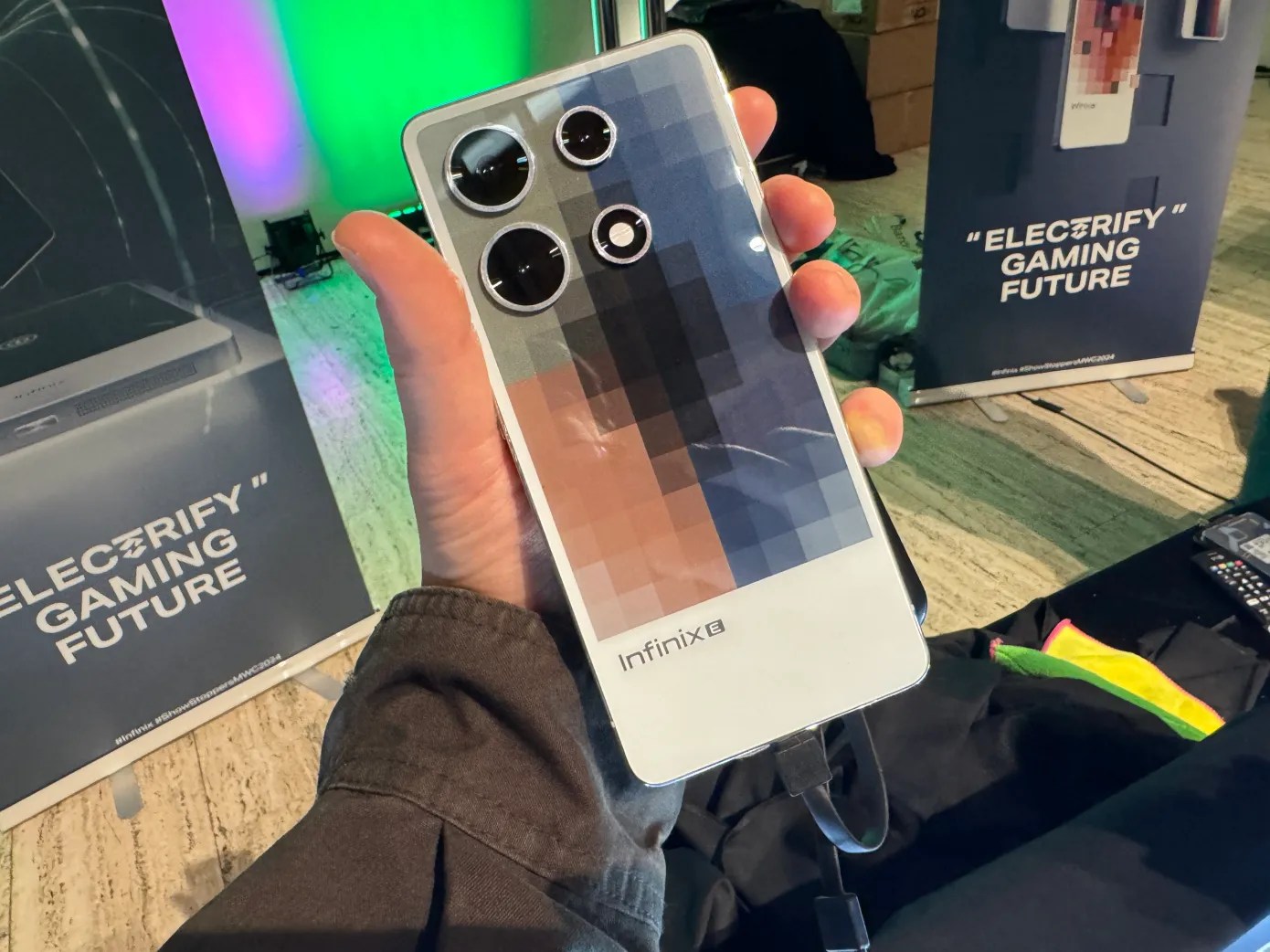
The notion of a secondary e-ink screen is not a new one. Yota Phone did that years ago. Ultimately, however, the company declared bankruptcy in 2019, four years after releasing its second device. By then, foldable devices had already been on the market for a couple of years, rendering the innovation as little more than a passing novelty.

The Infinix E-Color Shift improves upon Yota’s phone somewhat, by adding color to the mix. It is not, however, the full low-power secondary display the earlier device promised. Rather, it’s more a fun aesthetic addition to the part of your device that is nearly always covered by a case, your hand, or otherwise face down a table.

Read More

These desktop lamps beam near-infrared light, in a bid to improve your mood | TechCrunch

As humans spend increasing amounts of time indoors, we lose access to the sun’s natural benefits. Recognition of season affective disorder has grown accordingly. While the actual occurrence of the condition is low (around 5% — or 10 million or so Americans),  it’s led to increasing awareness of the sun’s impact on the production of serotonin in the brain – and its resulting impact on the human body.

Light therapy lamps have become increasingly popular as a result. I bought one a while back. It’s big, unwieldy and beams bright light like a tanning lamp. These products rely on the visible light spectrum, in a bid to mimic the sun’s impact for those of us who spend more of our waking hours in front of a computer than we care to mention.

Read More

This Week in AI: Addressing racism in AI image generators | TechCrunch

Keeping up with an industry as fast-moving as AI is a tall order. So until an AI can do it for you, here’s a handy roundup of recent stories in the world of machine learning, along with notable research and experiments we didn’t cover on their own.

This week in AI, Google paused its AI chatbot Gemini’s ability to generate images of people after a segment of users complained about historical inaccuracies. Told to depict “a Roman legion,” for instance, Gemini would show an anachronistic, cartoonish group of racially diverse foot soldiers while rendering “Zulu warriors” as Black.

It appears that Google — like some other AI vendors, including OpenAI — had implemented clumsy hardcoding under the hood to attempt to “correct” for biases in its model. In response to prompts like “show me images of only women” or “show me images of only men,” Gemini would refuse, asserting such images could “contribute to the exclusion and marginalization of other genders.” Gemini was also loath to generate images of people identified solely by their race — e.g. “white people” or “black people” — out of ostensible concern for “reducing individuals to their physical characteristics.”

Read More

How This Texas Farmers Market’s Gamble Paid Off Big | Entrepreneur

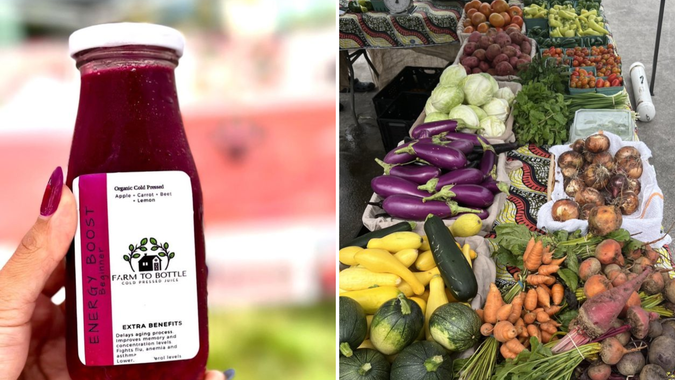
Fall Creek Farmers Market in Humble, Texas, is not just a spot to stop by for your Sunday morning coffee and a fresh vegetable or two. Owners Jonathan and Andrea Haskin built this vibrant space with a vision to change their community’s food shopping habits and educate their customers on the importance of buying fresh and local items.

The couple came up with the idea for the market in 2015 when they started taking a longer look at what kind of food they had available to them and realized they had to travel far and wide just to source quality ingredients from local farmers. What would happen if they brought their community closer to the source?

Read More

Office Cleaner Fired After Eating Leftover Sandwich: Report | Entrepreneur

A woman is suing her former place of employment, a law firm, after claiming she was let go for eating a leftover sandwich she found in the office.

Gabriela Rodriguez worked as a cleaner for London-based Devonshires Solicitors for two years, before reportedly being axed by the private contractor she worked for, Total Clean, for eating a tuna sandwich worth roughly $1.90 that someone had left behind in a meeting.

According to the legal affairs website RollOnFriday, the sandwich was purchased at popular British grocer, Tesco, and was set to be thrown out before Rodriguez ate the leftovers. She was fired for “theft” in taking client property “without authority or reasonable excuse.”

Read More

5 best cheap laptops of 2024: Tested and reviewed | Mashable

When it comes to shopping for the best cheap laptops, you can do a lot with $1,000. (Heck, even $500 cuts some mustard nowadays.) But you’ll probably have to make some compromises along the way to stay below that price point.

That doesn’t mean you have to settle for a total clunker that doesn’t tick any of the boxes on your must-have specs list. It just means you have to shop a little smarter than someone on an unlimited budget — and that’s where we come in.

After meticulous hands-on testing and careful research, we can recommend several affordable laptops for different budgets, operating system loyalties, and use cases. Keep reading for our guide to the best cheap laptops of 2024, including models from Acer, Microsoft, and, yes, even Apple.

Read More

Stop putting wet phones in rice, Apple warns. Here’s why. | Mashable

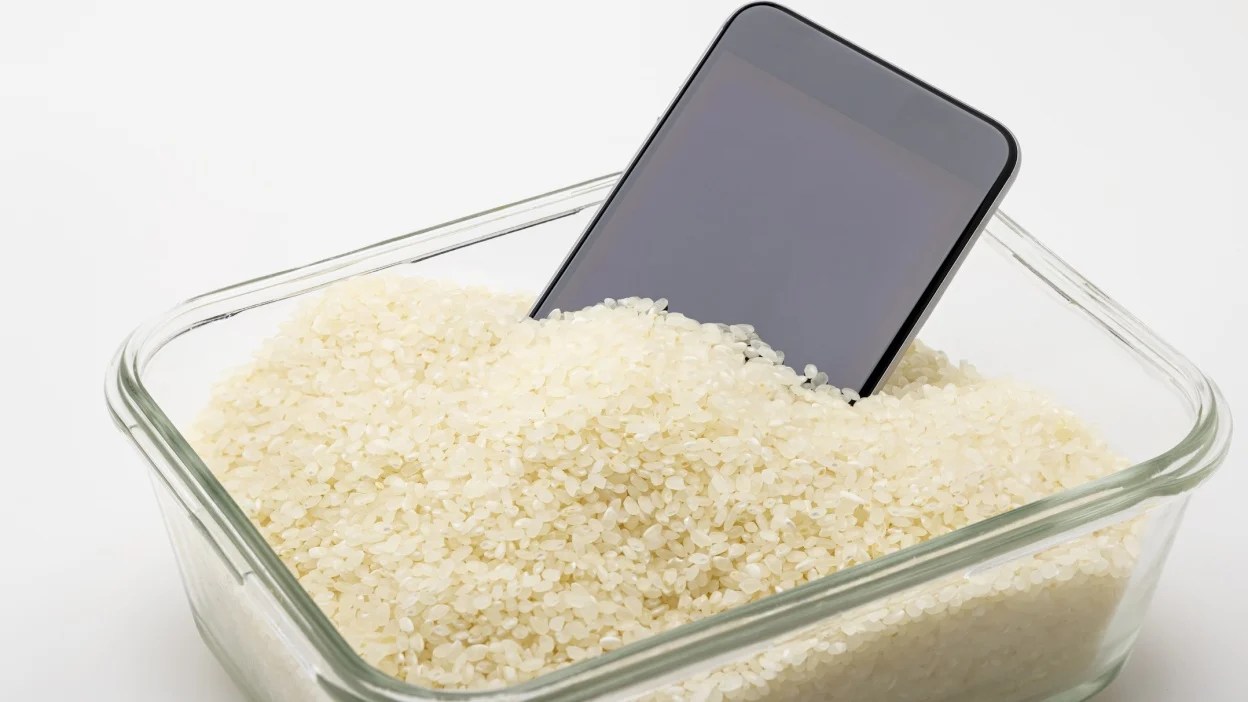
As it turns out, the decades-old method of saving one’s wet phone in rice isn’t a good idea, according to Apple. A recent support document states that this hack actually makes things worse.

Quit the rice hack for your wet phone

Rice is having a bit of a moment on the internet, including people freaking out about whether it’s safe to reheat it. However, it seems like Apple has jumped on the rice fear-mongering bandwagon, too. In the support document, the Cupertino-based tech giant said that dropping your wet iPhone into a bowl of rice will “allow small particles of rice to damage your iPhone.”

Read More

America is on the cusp of a new biggest credit card company. Here’s what it means for you | CNN Business

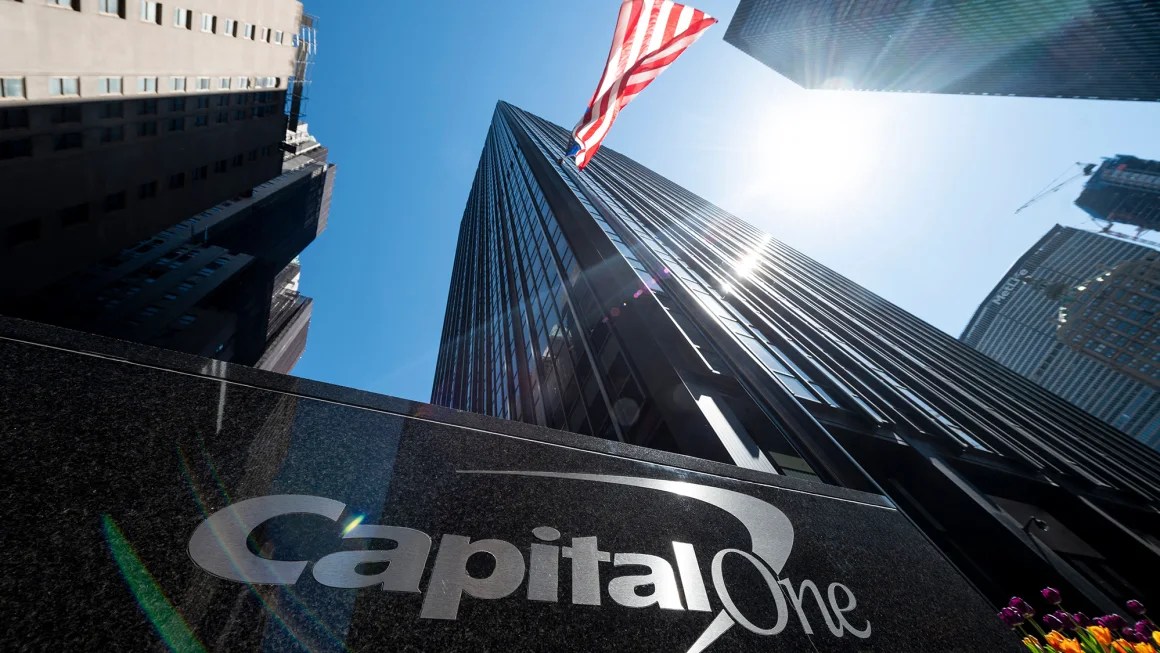
What’s in your wallet? Capital One is making a $35 billion bet that the answer will soon be: more of its credit cards.

The bank announced Monday evening it is acquiring Discover Financial Services (DFS) in a $35.3 billion all-stock deal. If approved by regulators and shareholders, Capital One’s (COF) acquisition will create the biggest US credit card company by loan volume.

So what does that mean for you?

For now, not a lot. Given that the deal isn’t expected to be finalized until late 2024 or early 2025, Discover and Capital One customers shouldn’t anticipate any immediate changes.

Read More

Amazon is replacing Walgreens in the Dow Jones Industrial Average | CNN Business

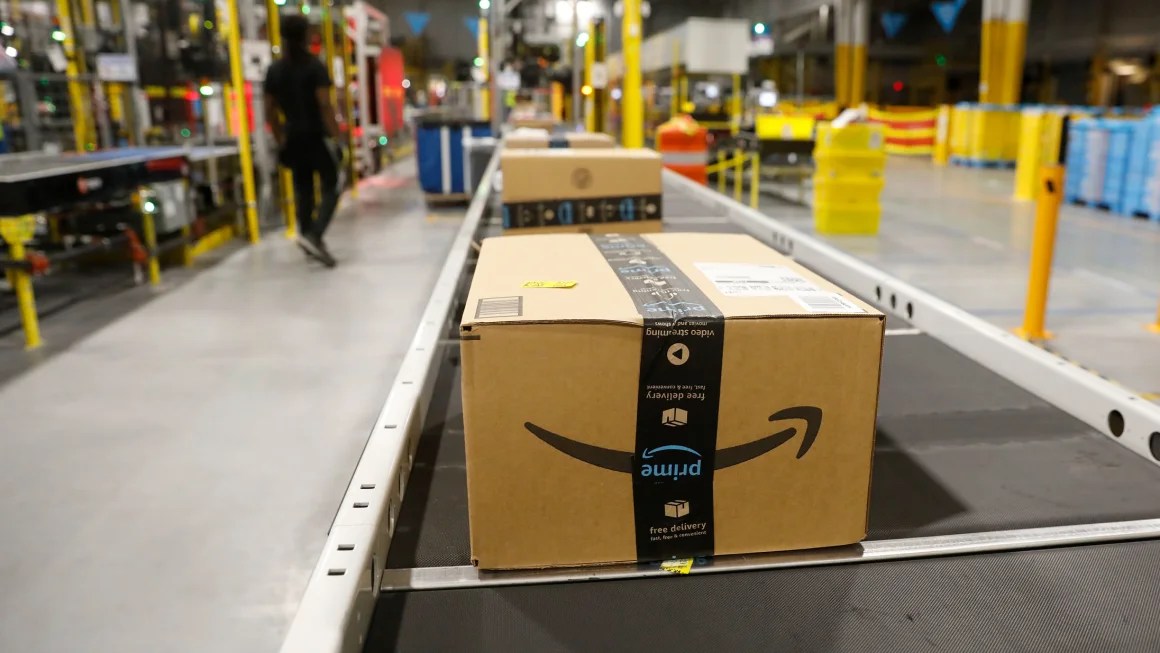
Walgreens Boots Alliance is getting the boot from the 30-stock Dow Jones Industrial Average and Amazon is taking its place.

S&P Dow Jones Indices, which manages the index, said in a statement Tuesday that the change is intended to reflect “the evolving nature of the American economy” by increasing the Dow’s consumer retail exposure.

The change means that investors who bet on the Dow Jones Industrial Average will now have exposure to Amazon’s stock performance.

Amazon joins Apple and Microsoft as the third company from the “Magnificent Seven,” a group of high-performing tech stocks, to join the Dow 30. The other four companies in the group — Meta, Nvidia, Tesla, and Alphabet — are not included in the index, though all seven stocks are included in the much larger S&P 500 index.

Read More

‘Stepping stone to Mars’: Minimoons may help us become an interplanetary species, says MIT astrophysicist Richard Binzel | Live Science

More than 30,000 asteroids are traveling on paths that bring them close to Earth. Some are giant boulders with the potential to smash into our planet, and others are little rocks known as minimoons moving harmlessly alongside Earth. For half a century, Richard Binzel, an astronomer at Massachusetts Institute of Technology (MIT), has dedicated his career to studying them.

Live Science spoke with Binzel about minimoons and how these little rocks could eventually help humanity take its first trip to Mars.

Read More